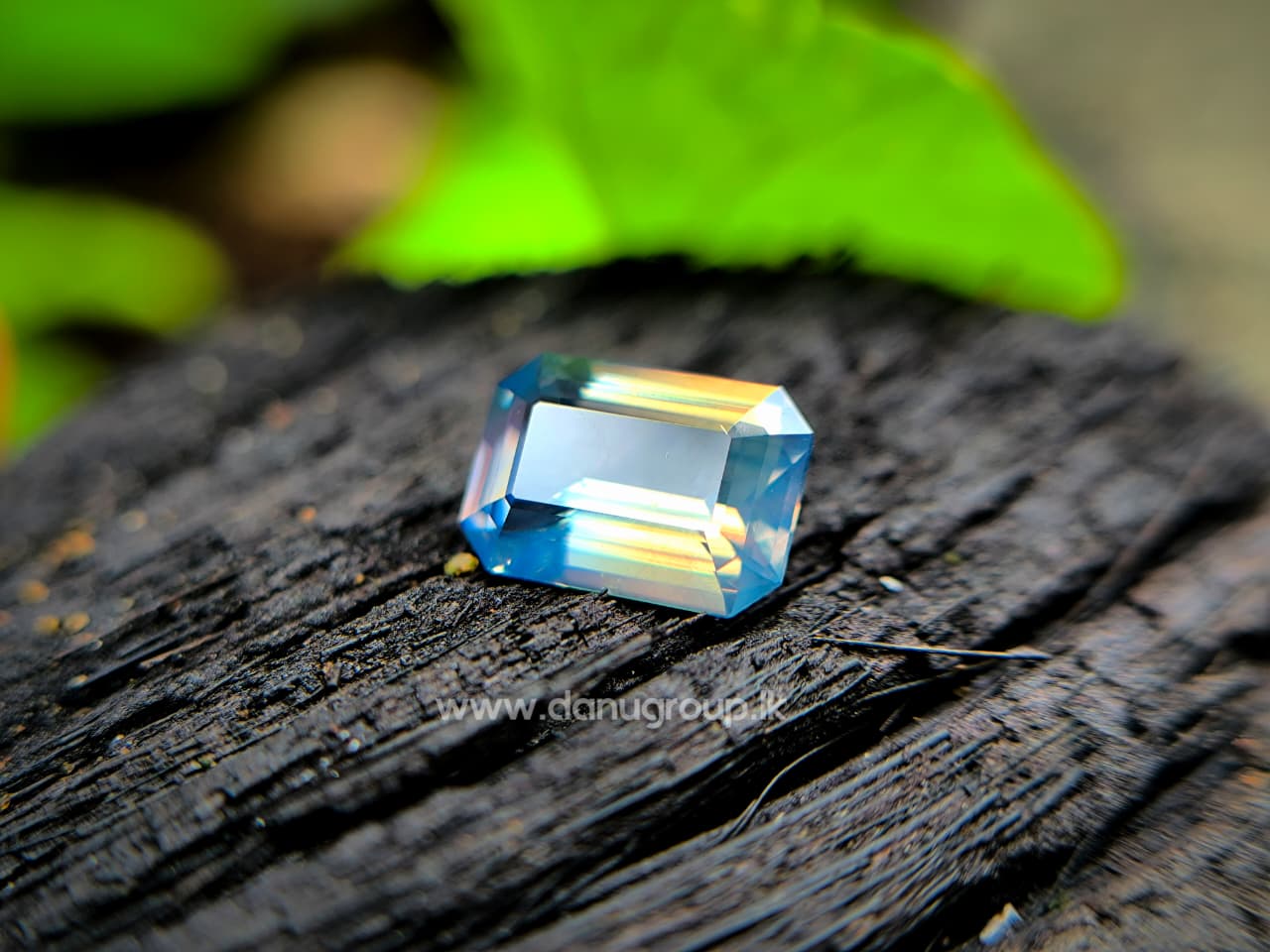
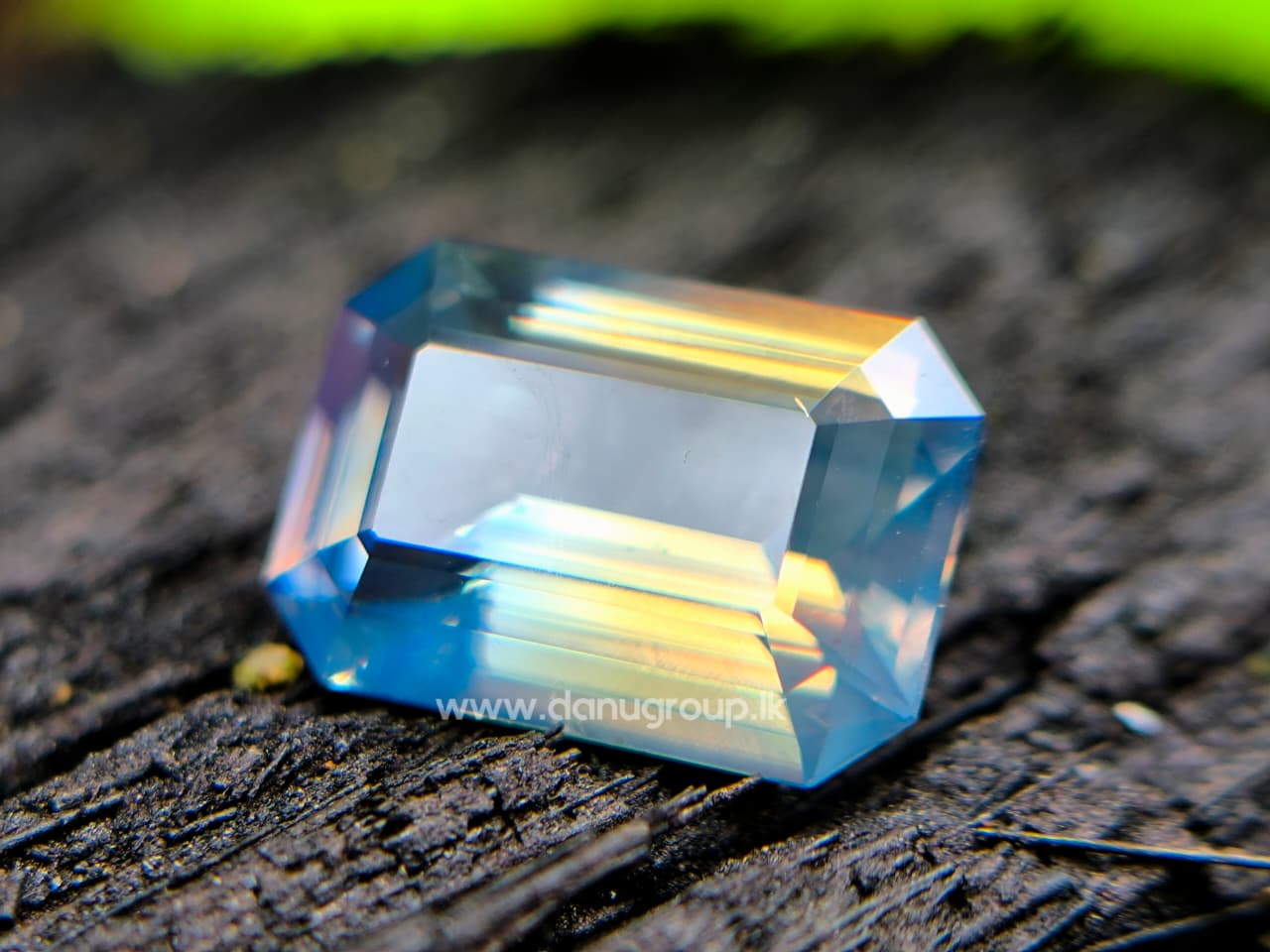
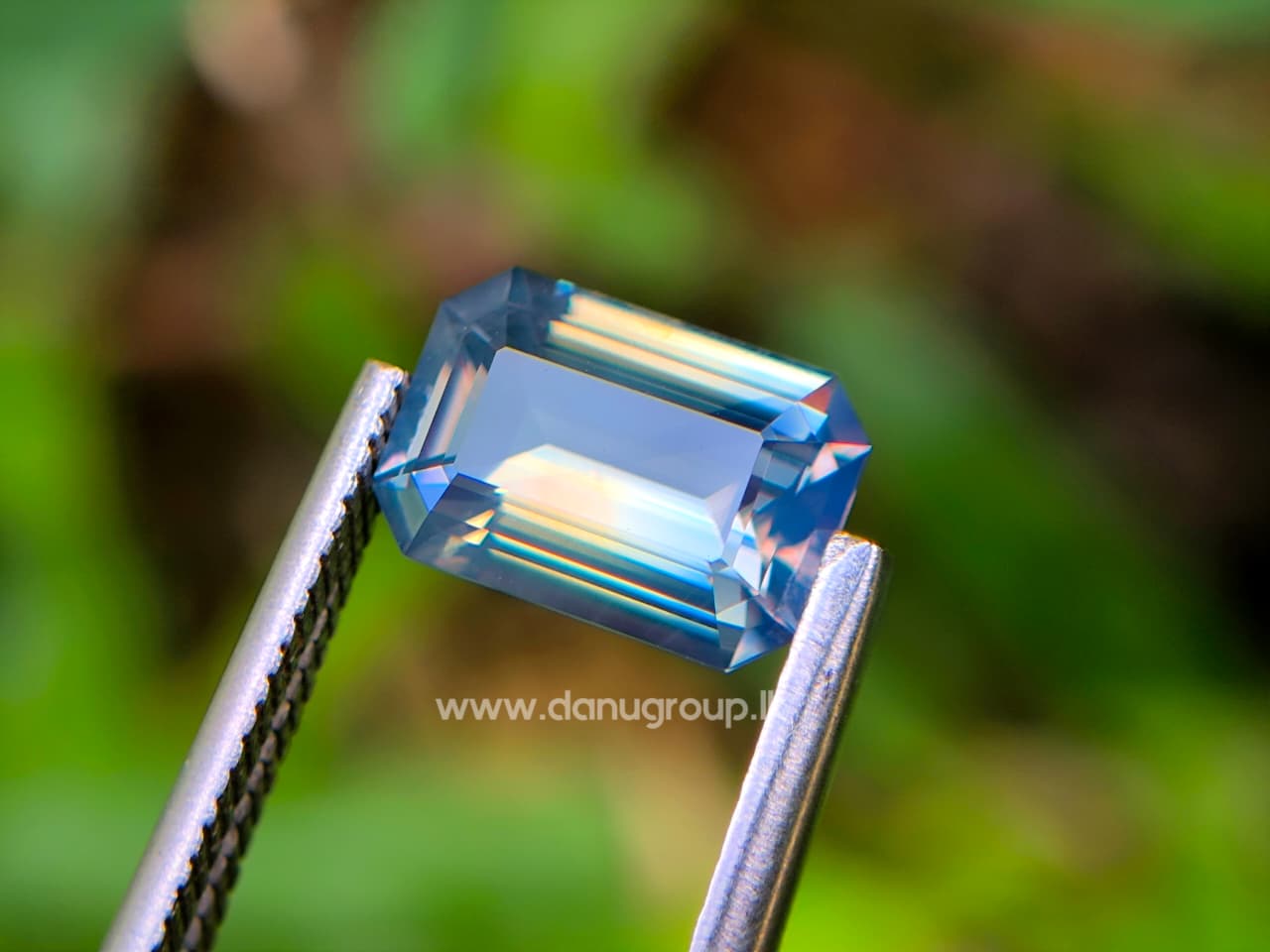
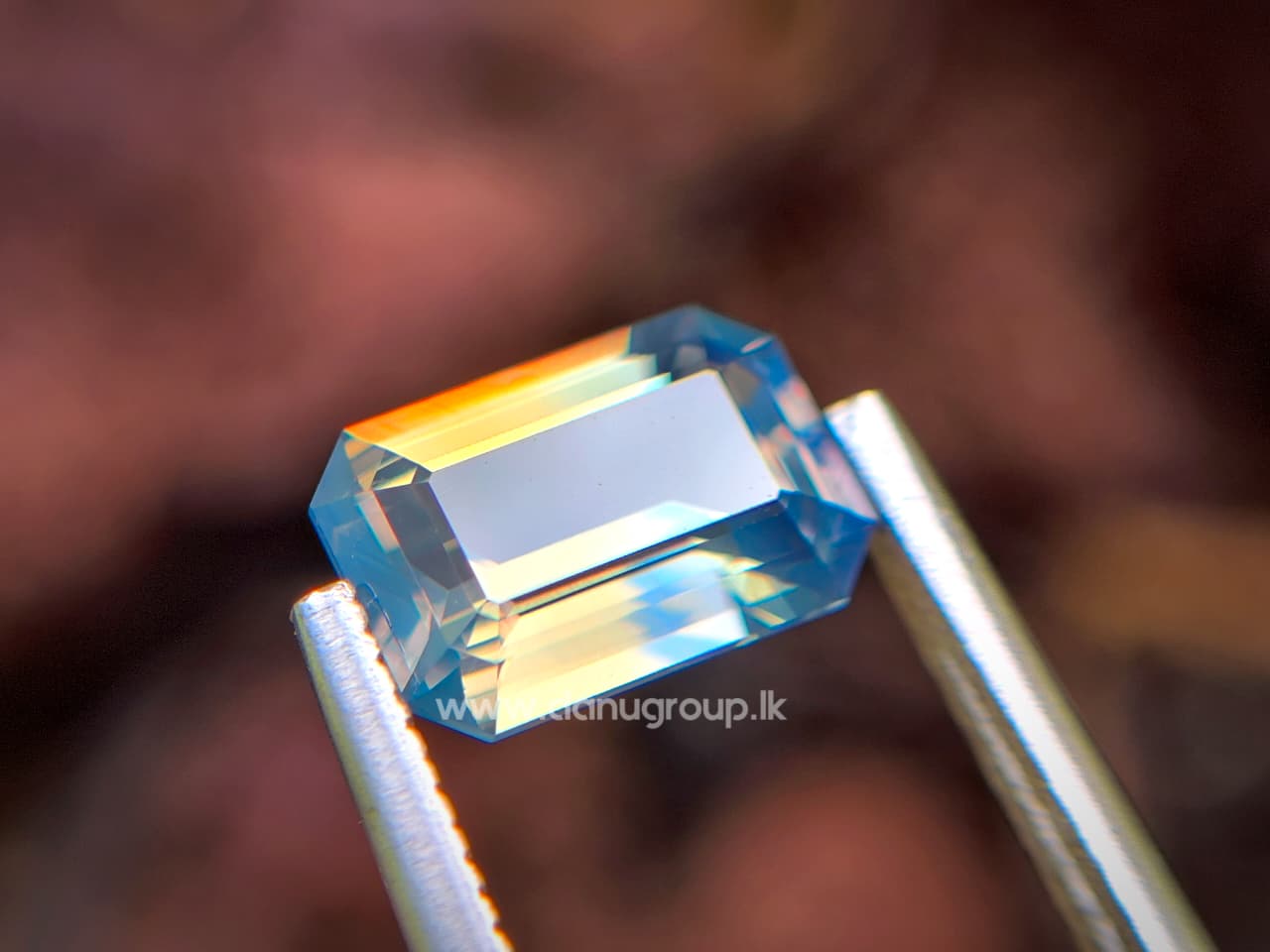
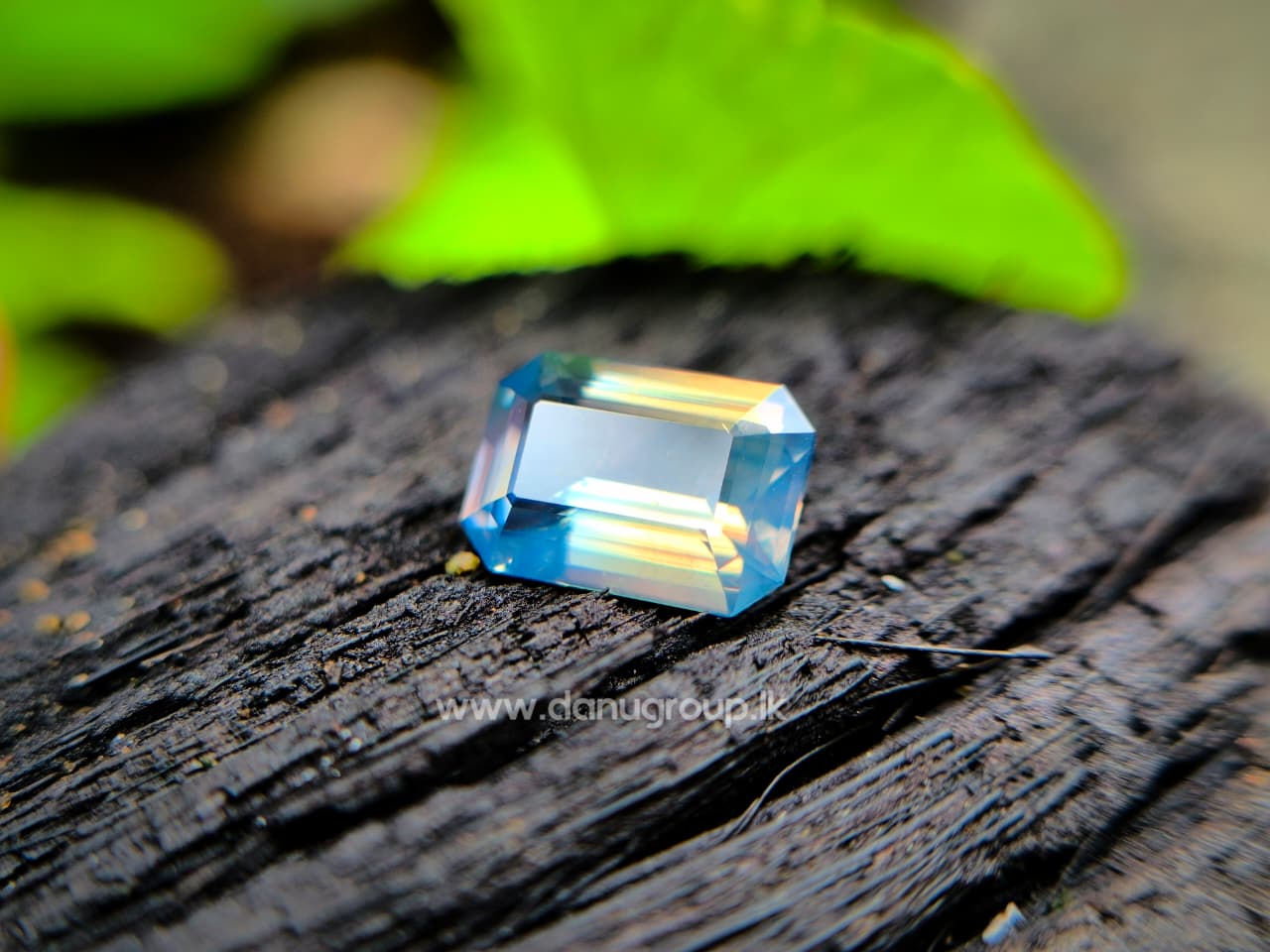
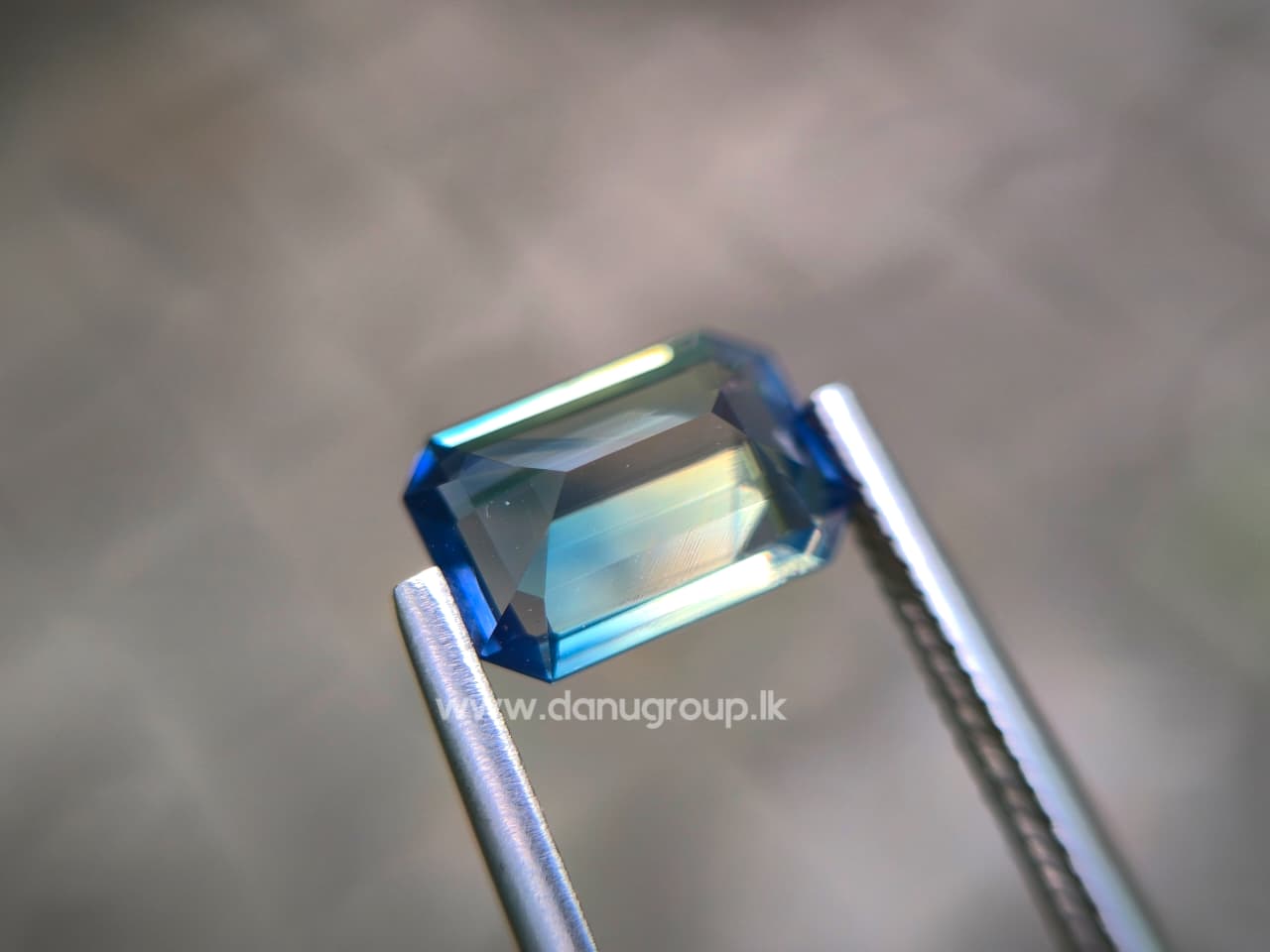
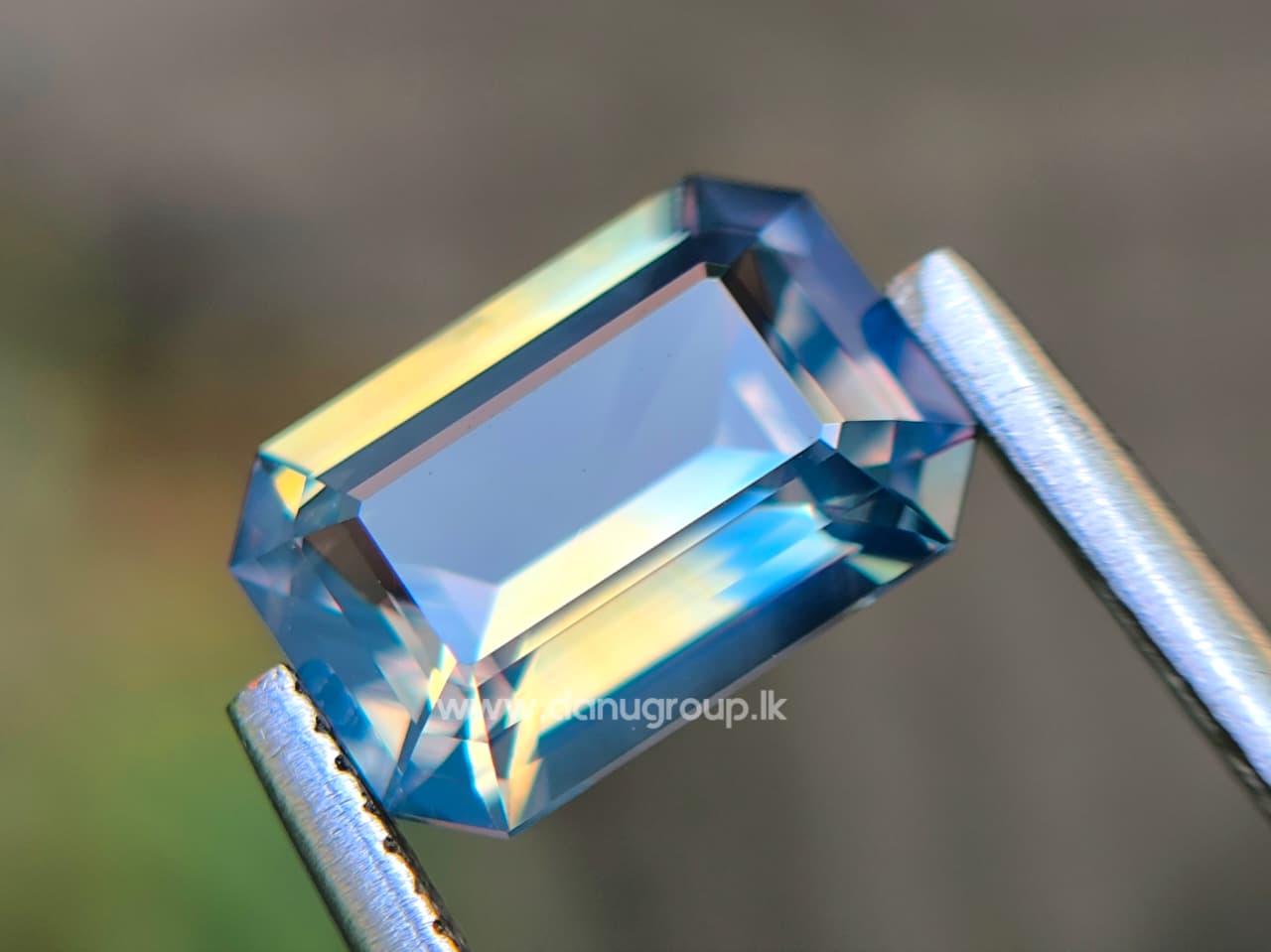
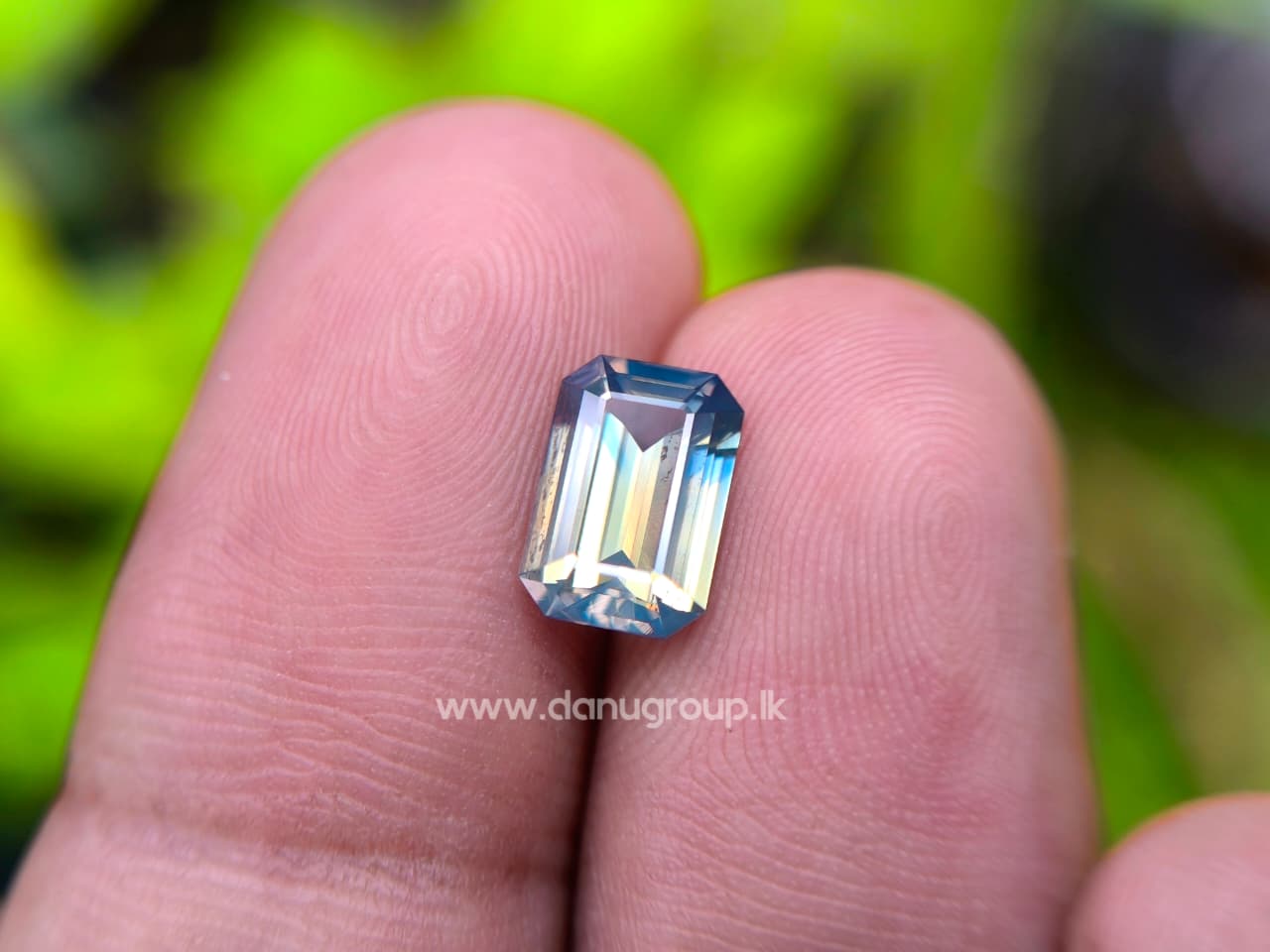
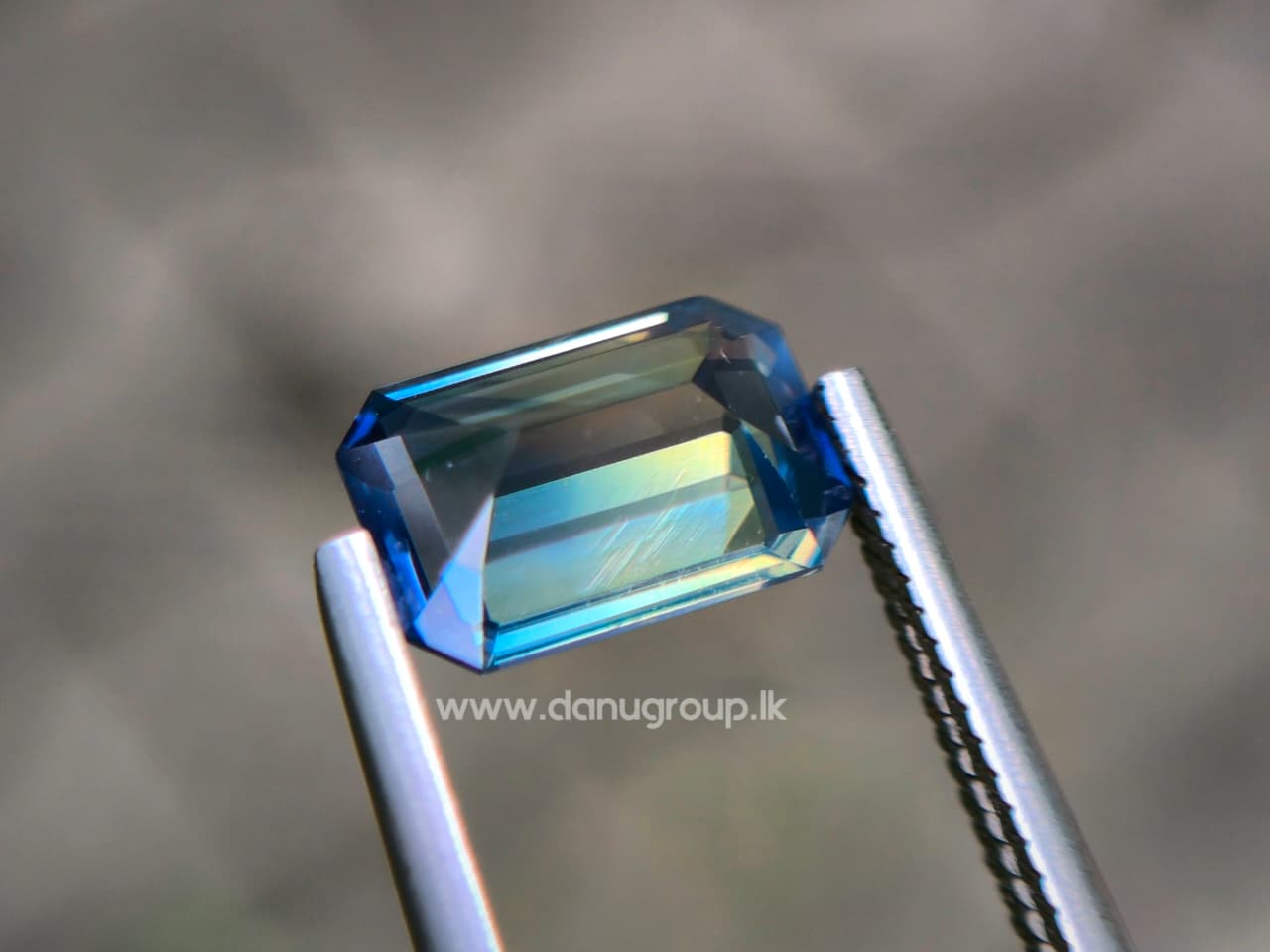
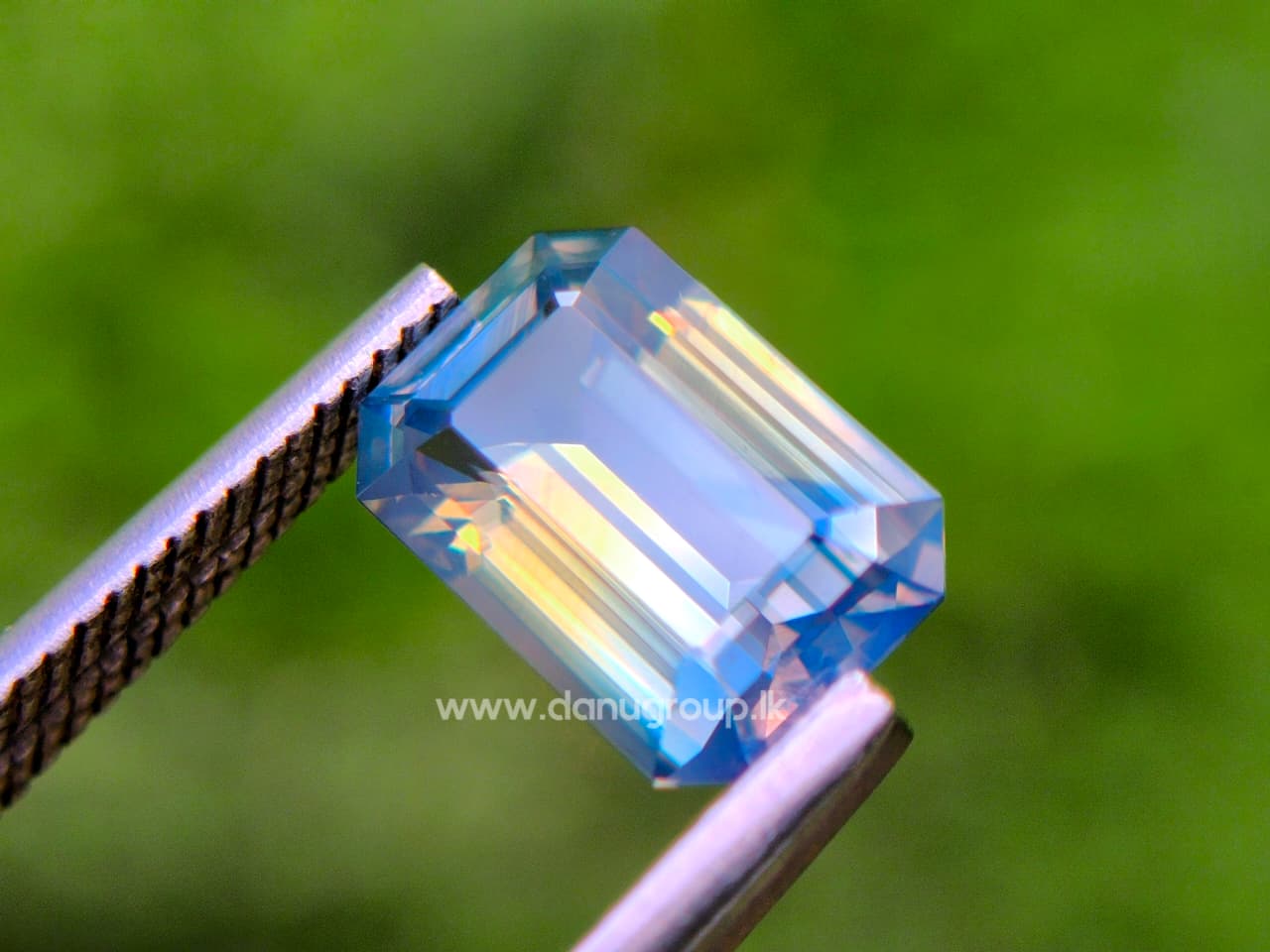
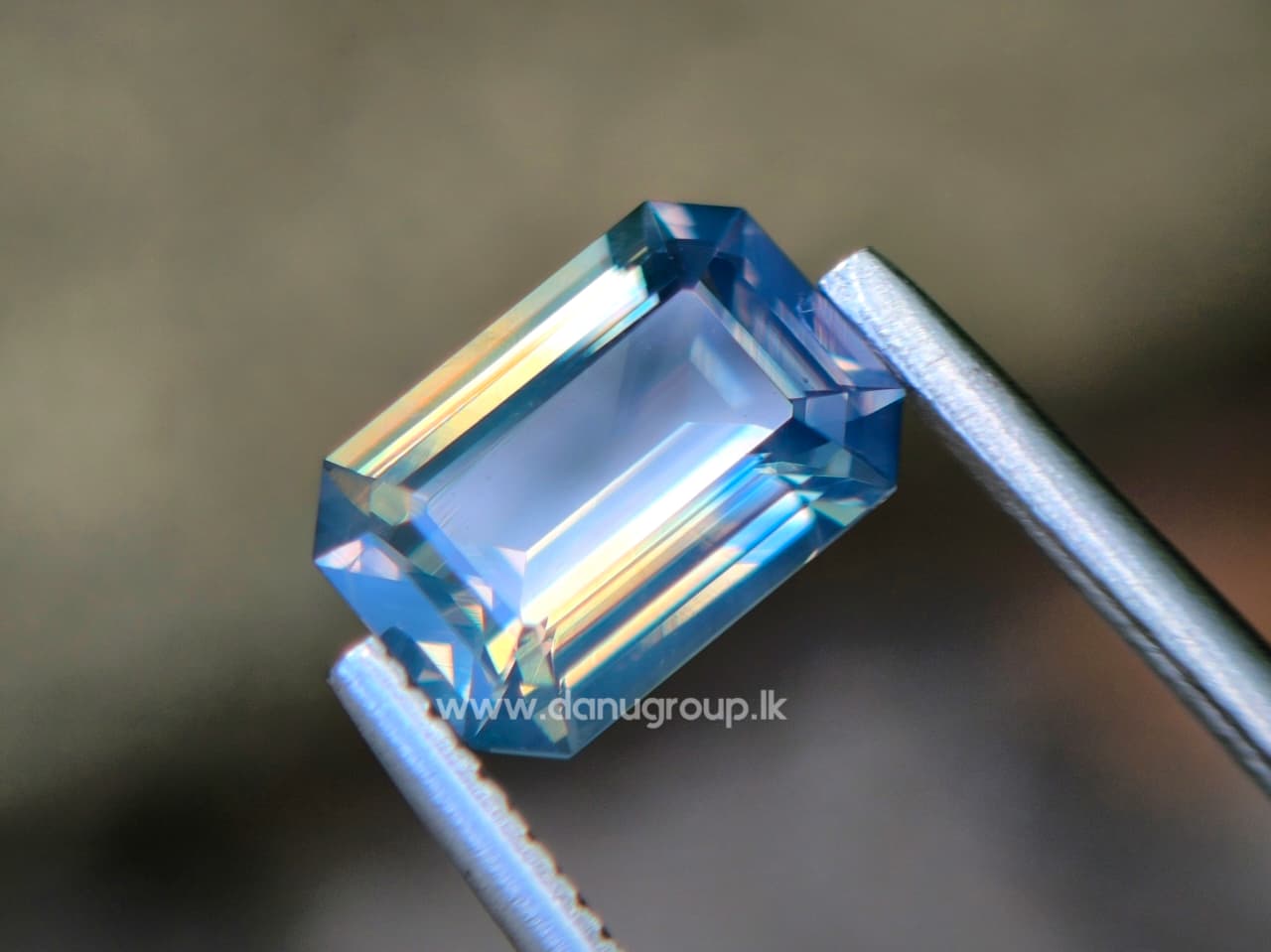
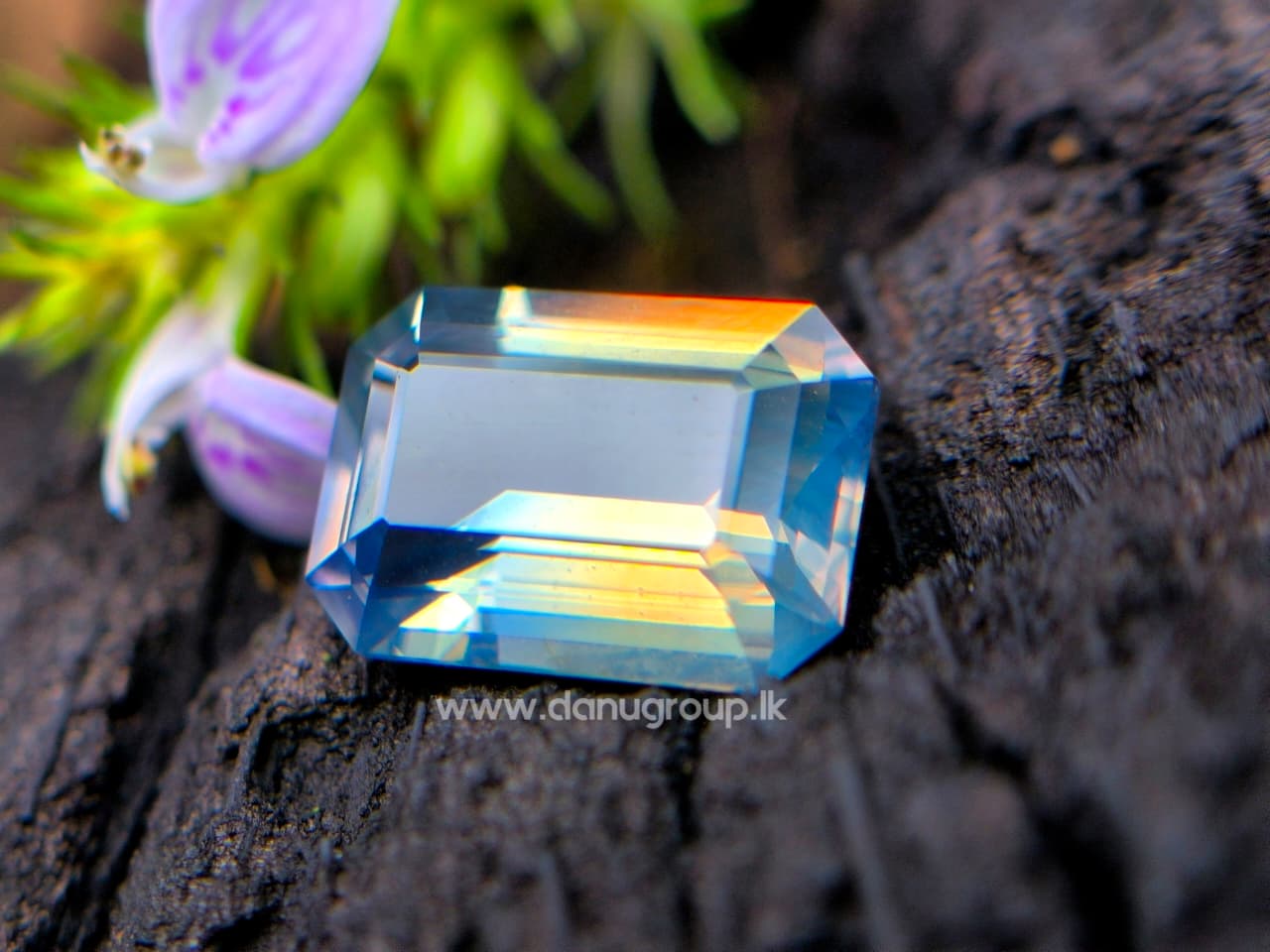
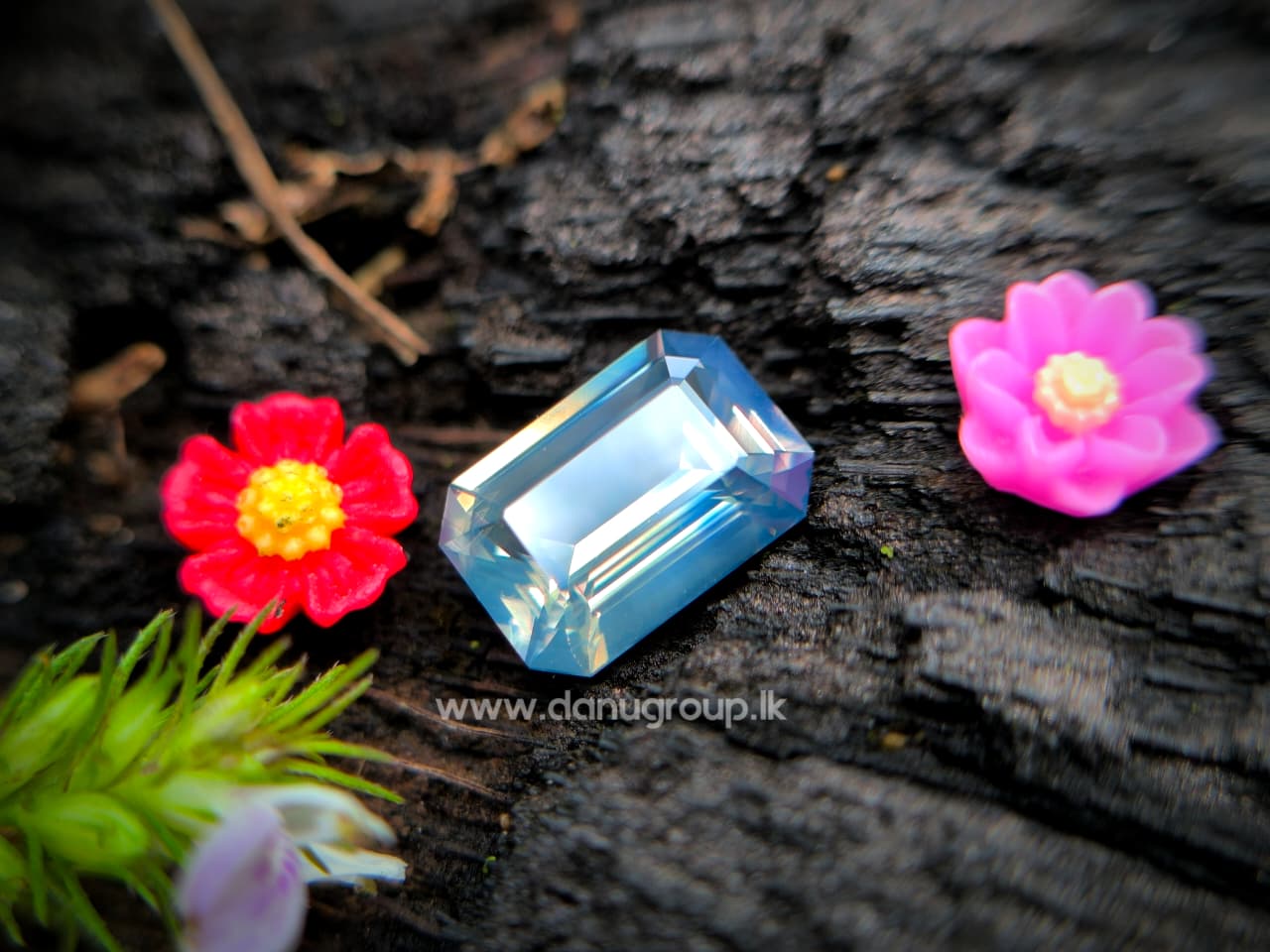
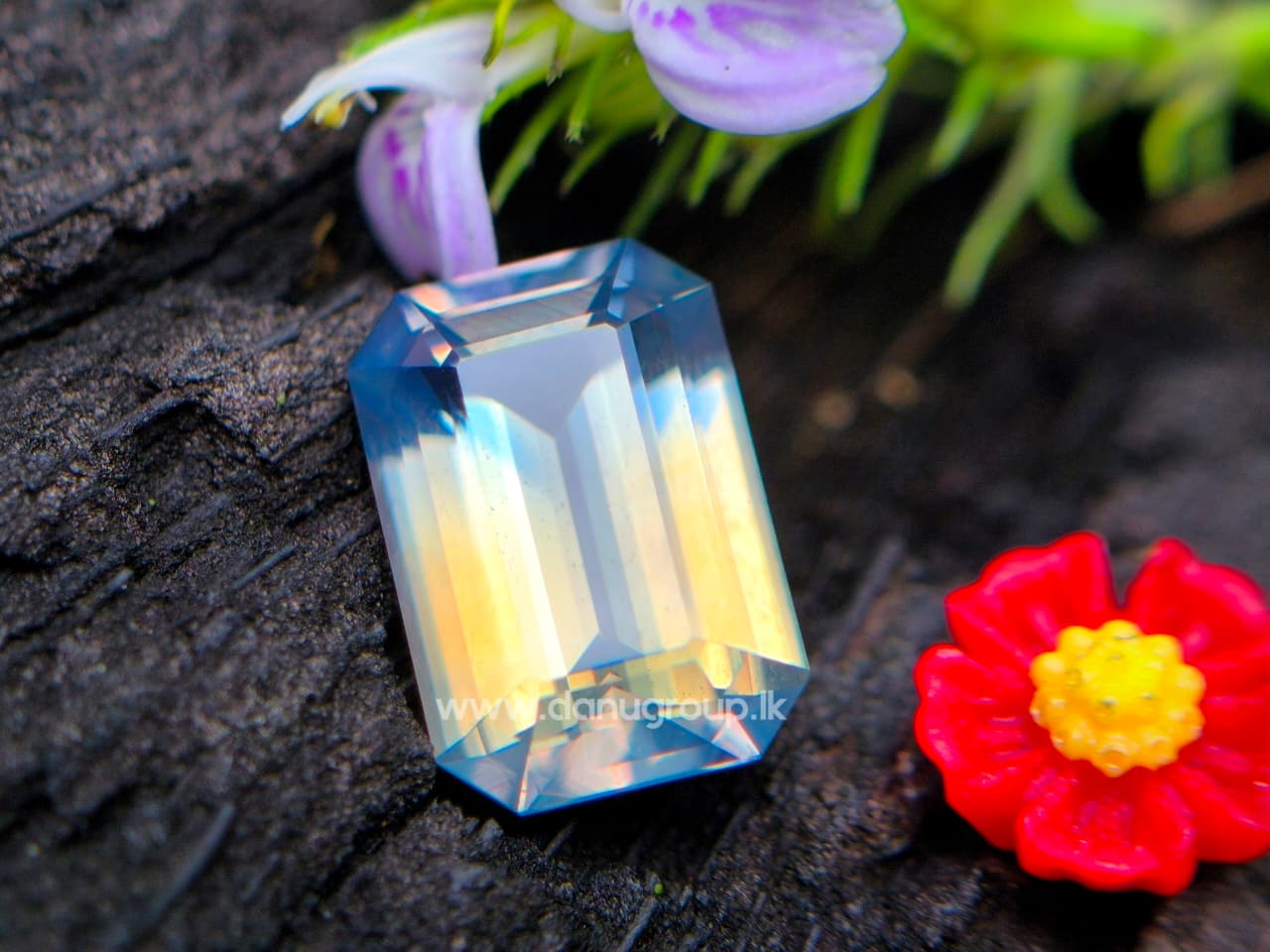
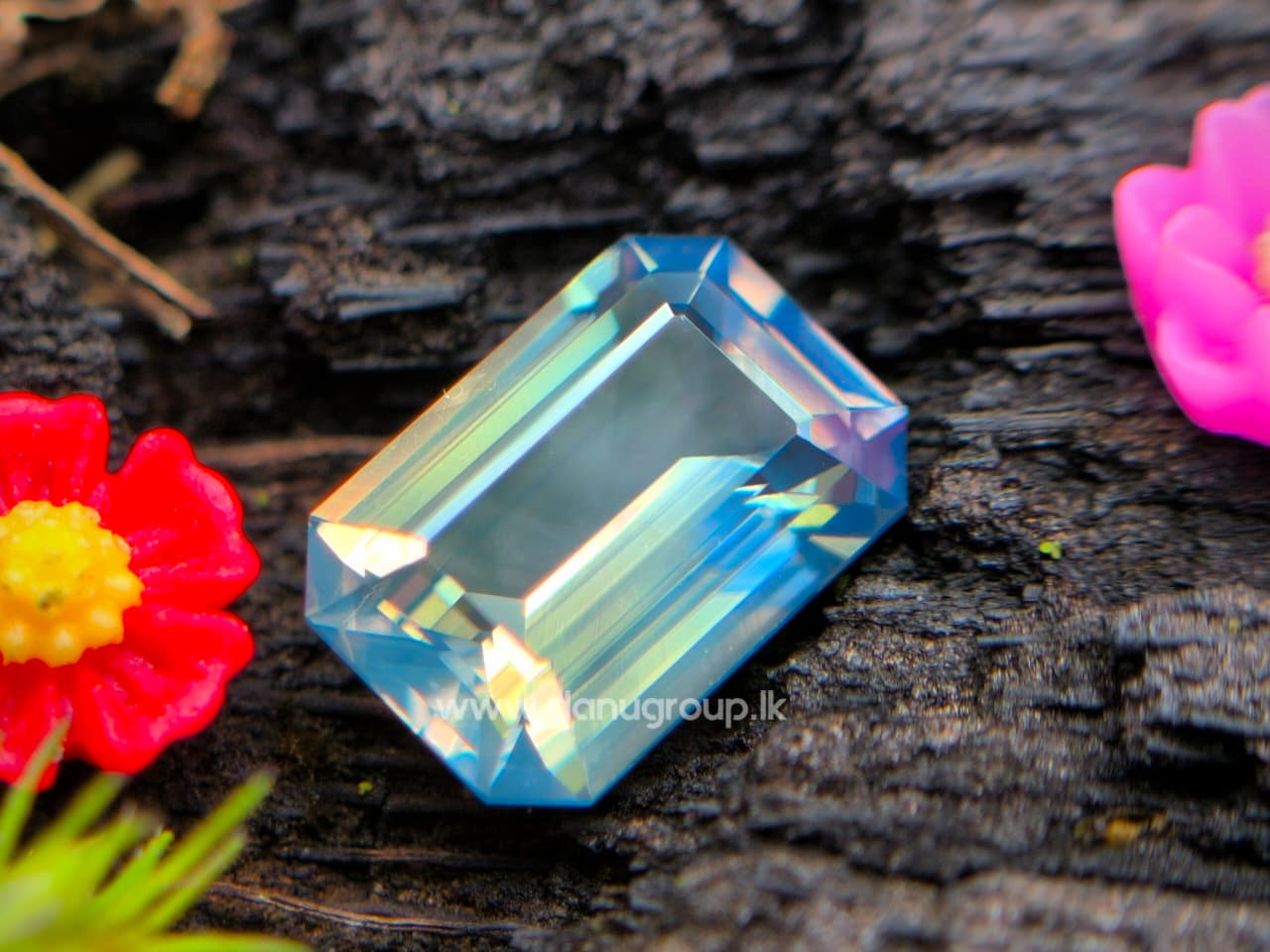
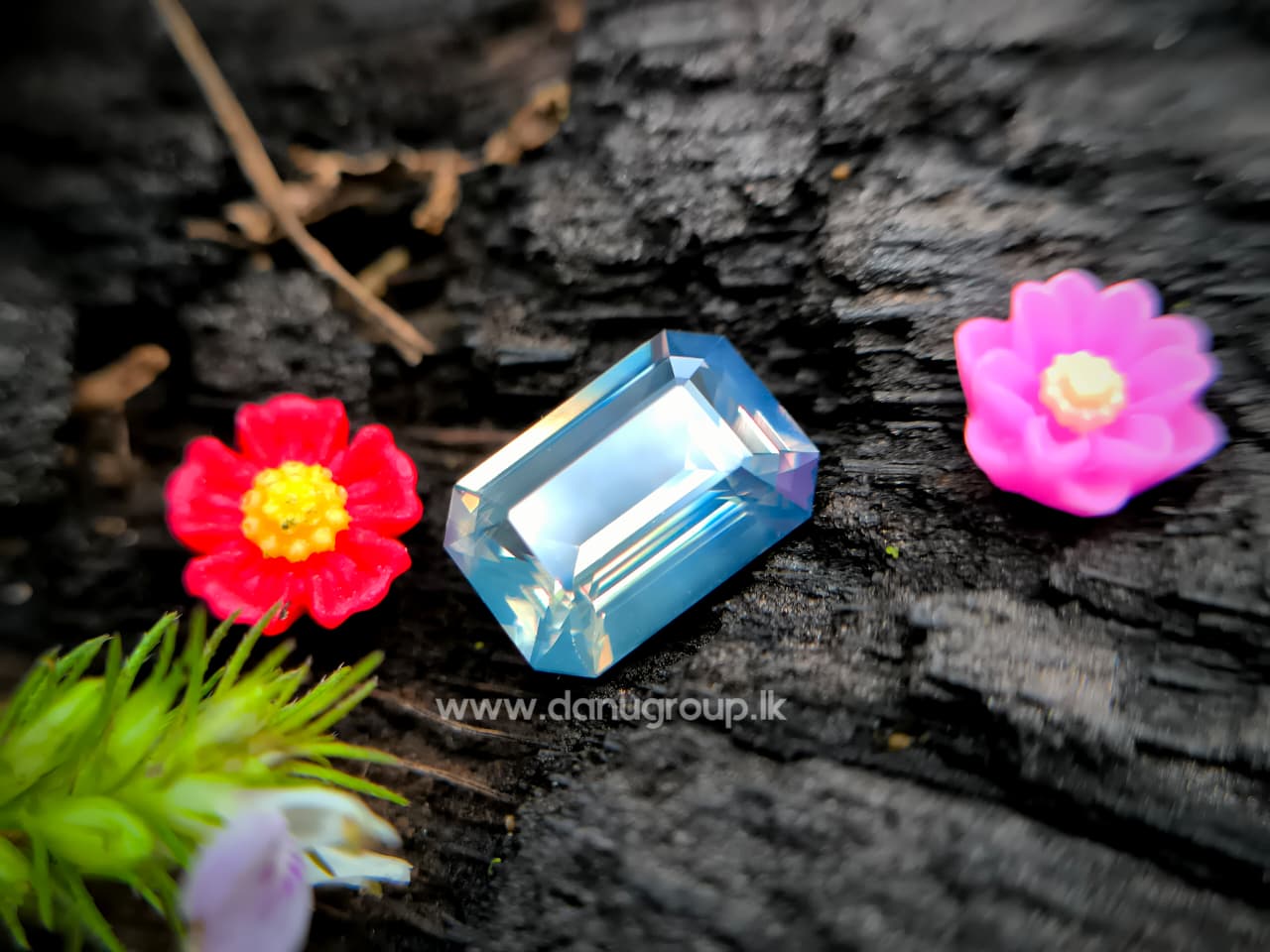
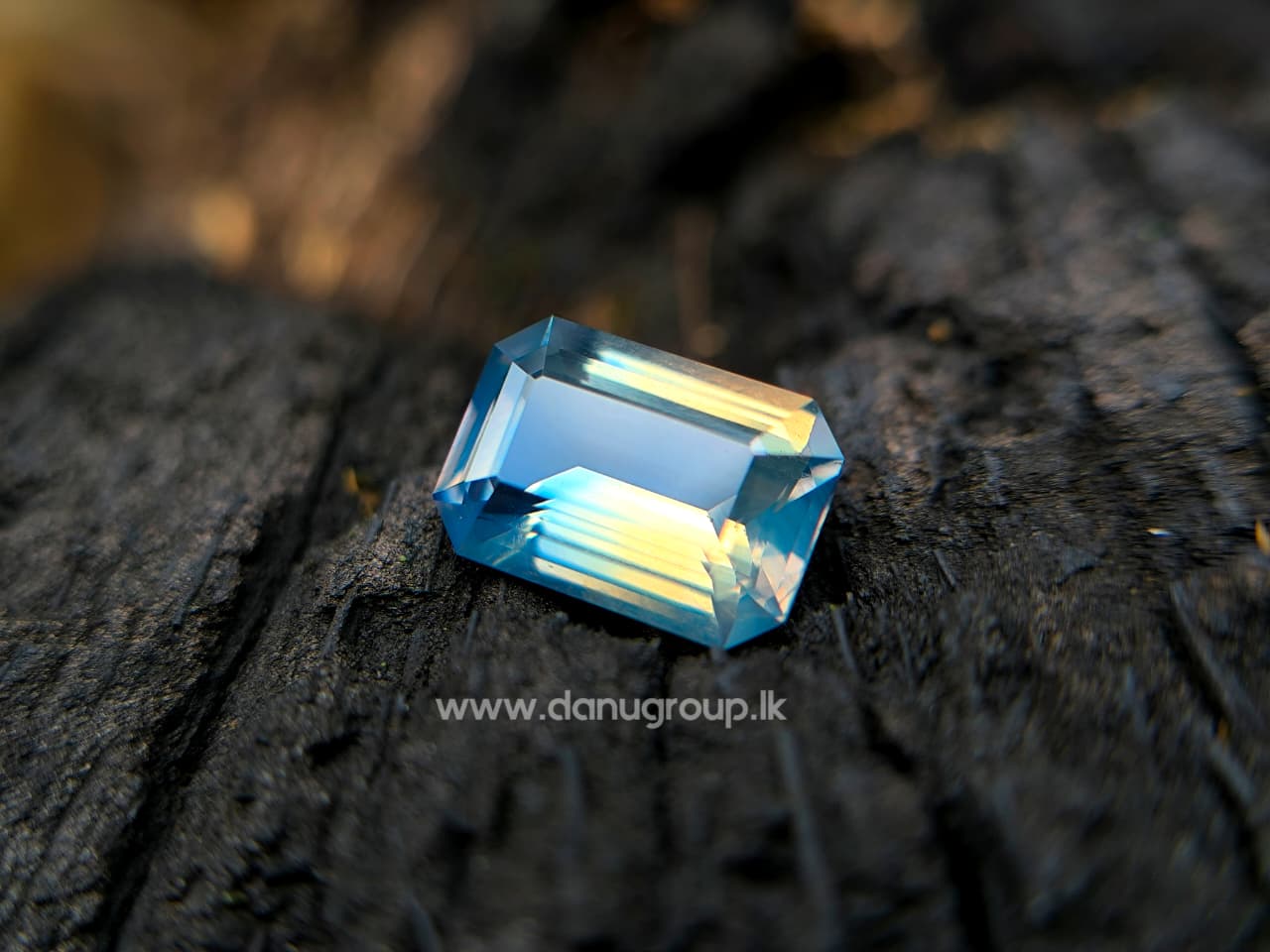
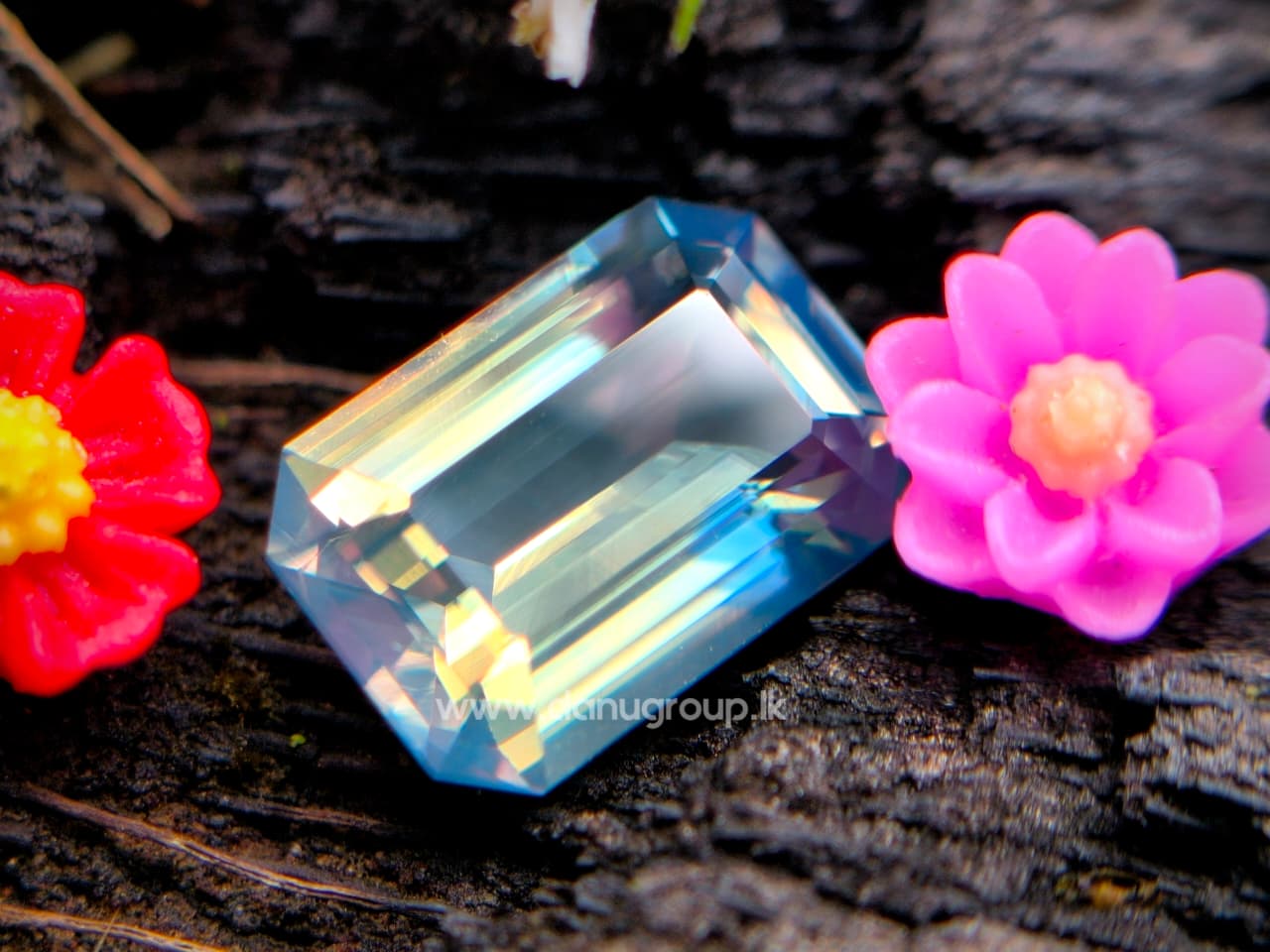
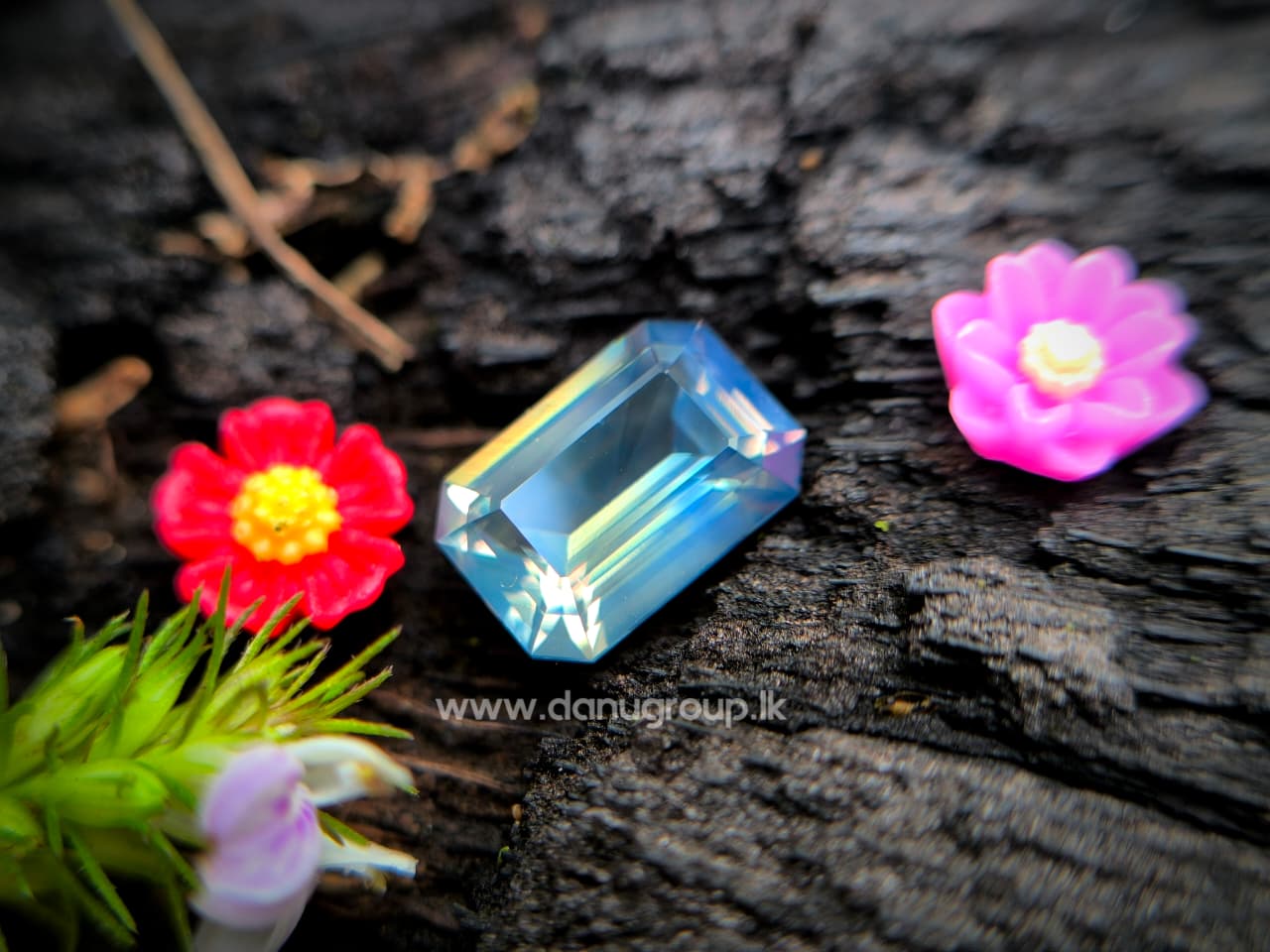
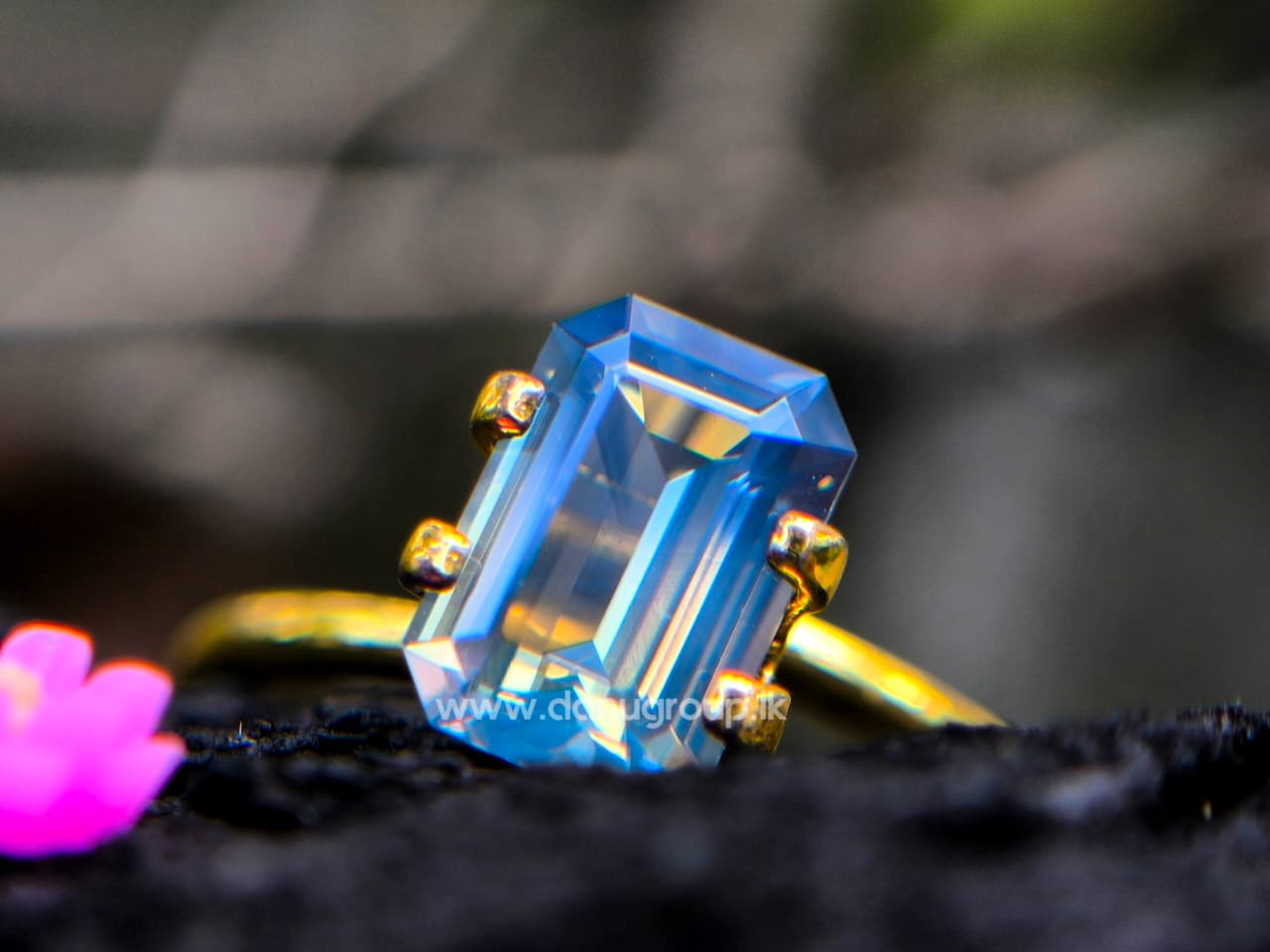
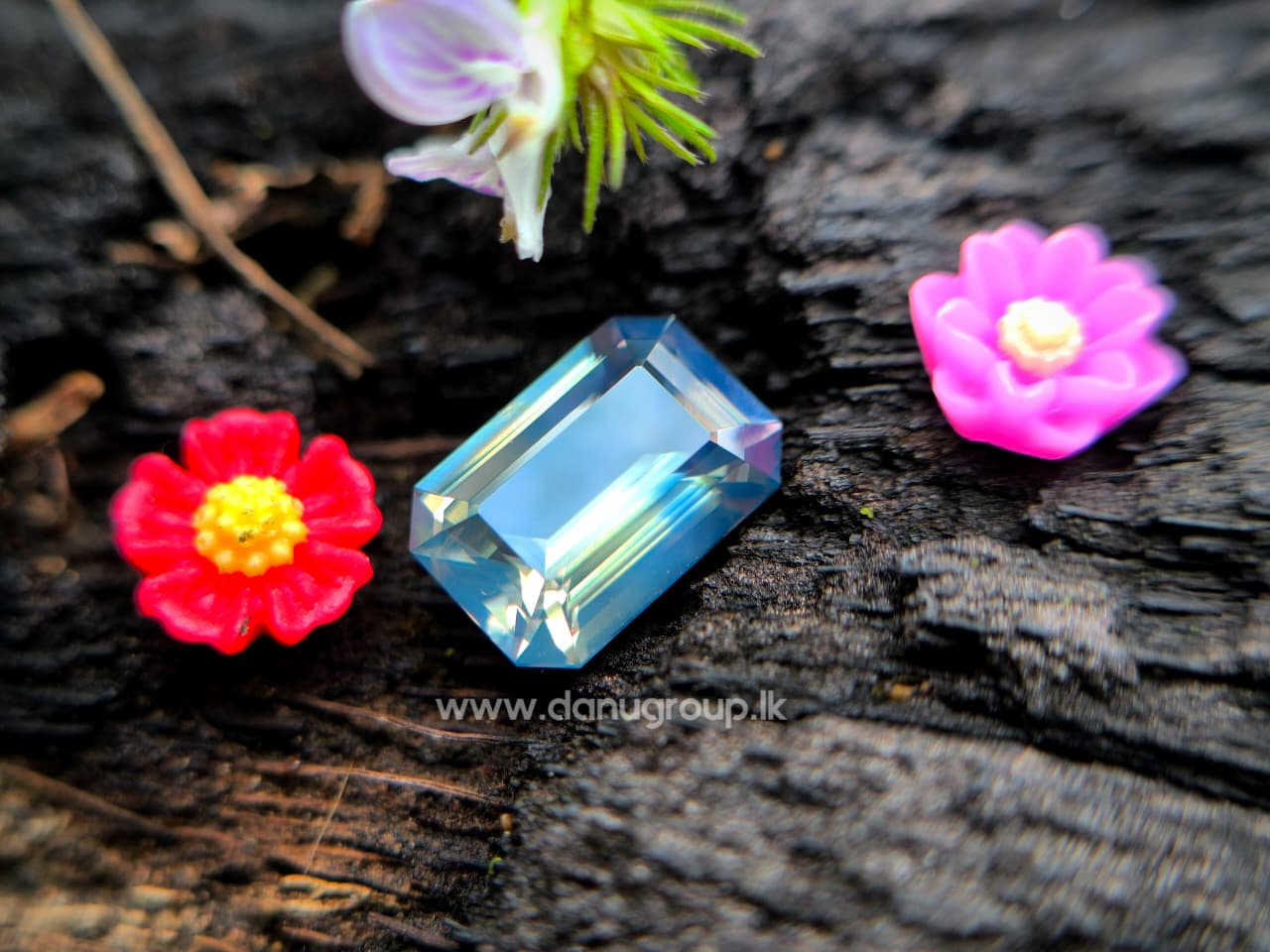
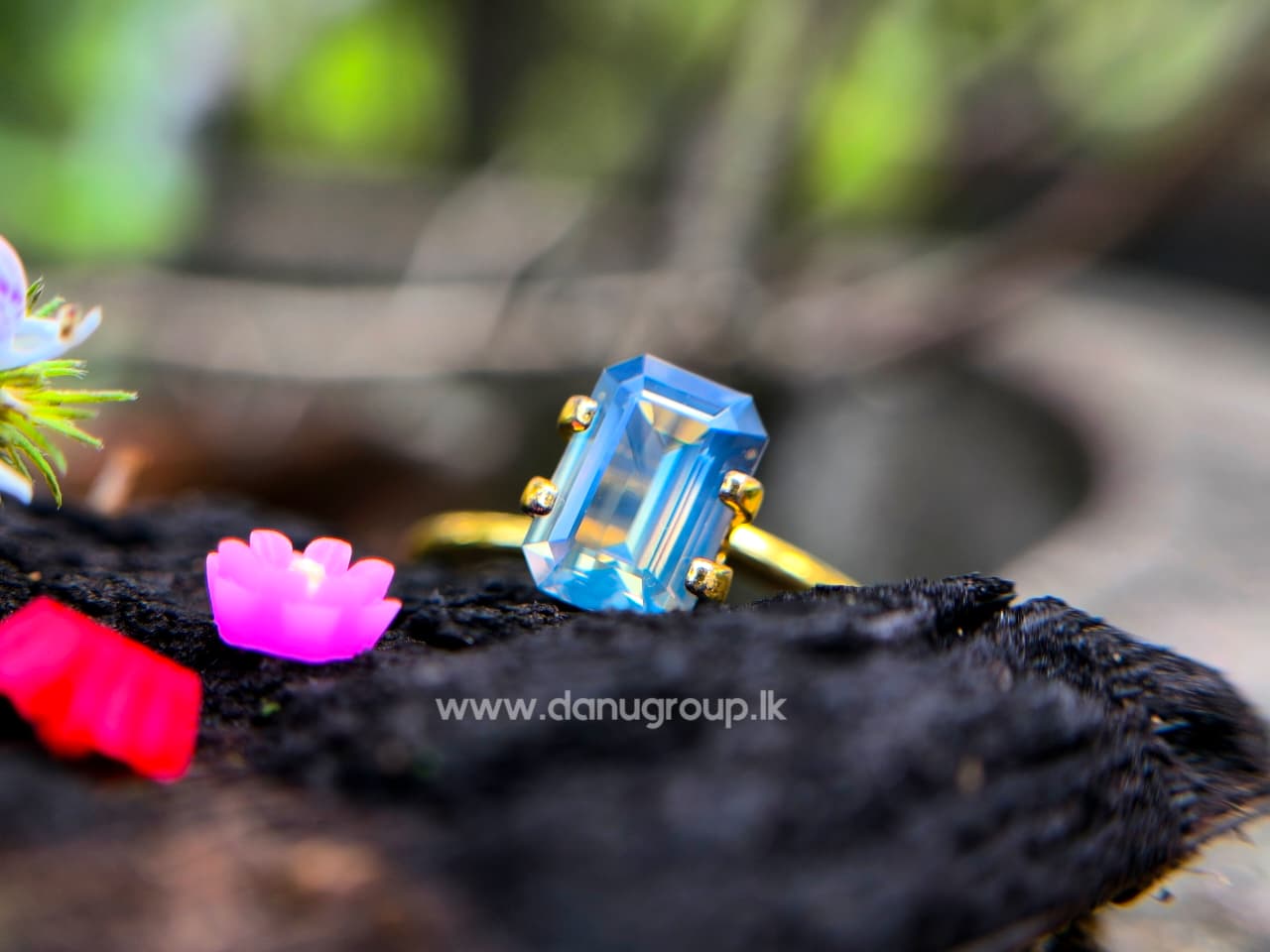
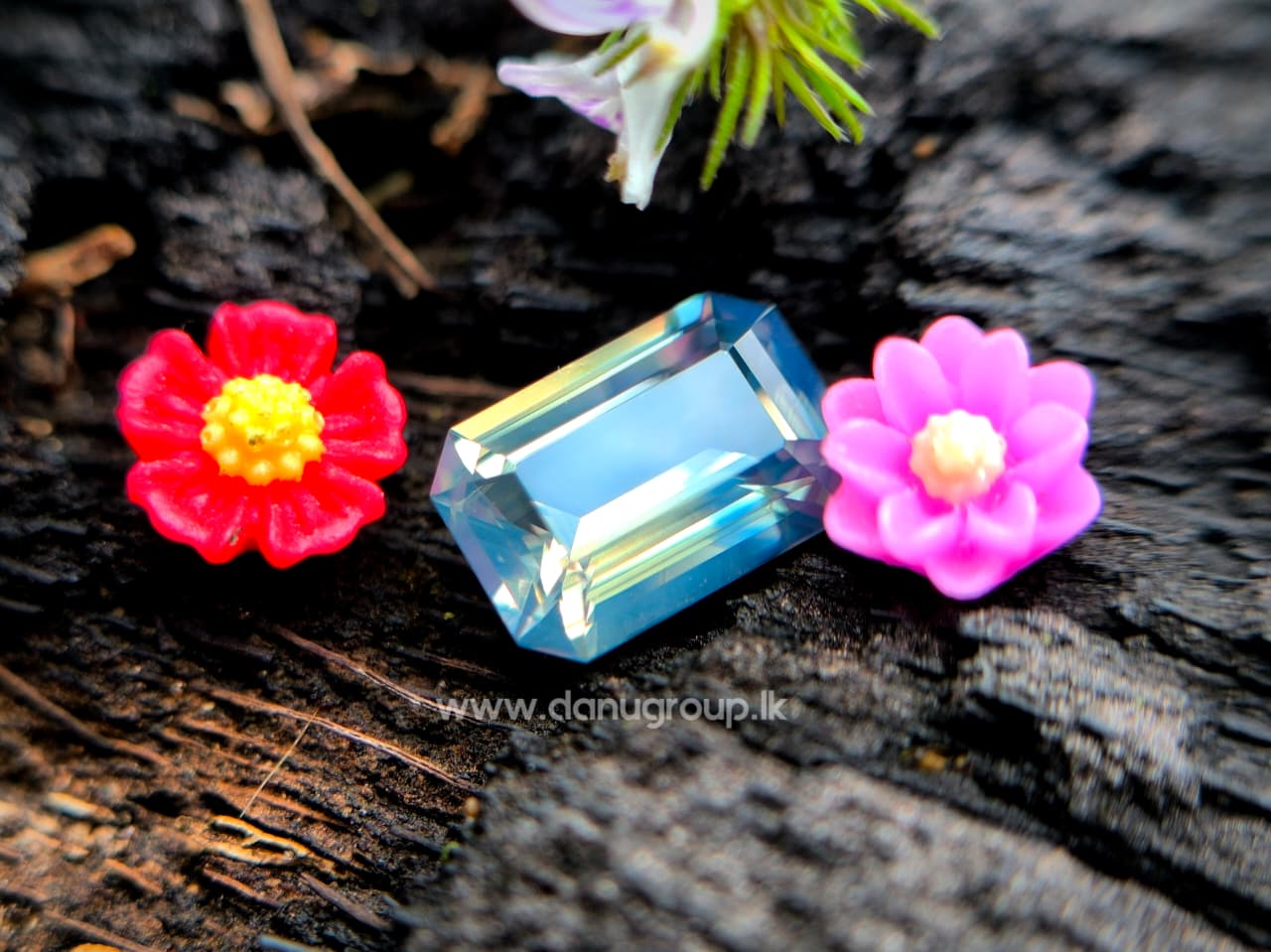
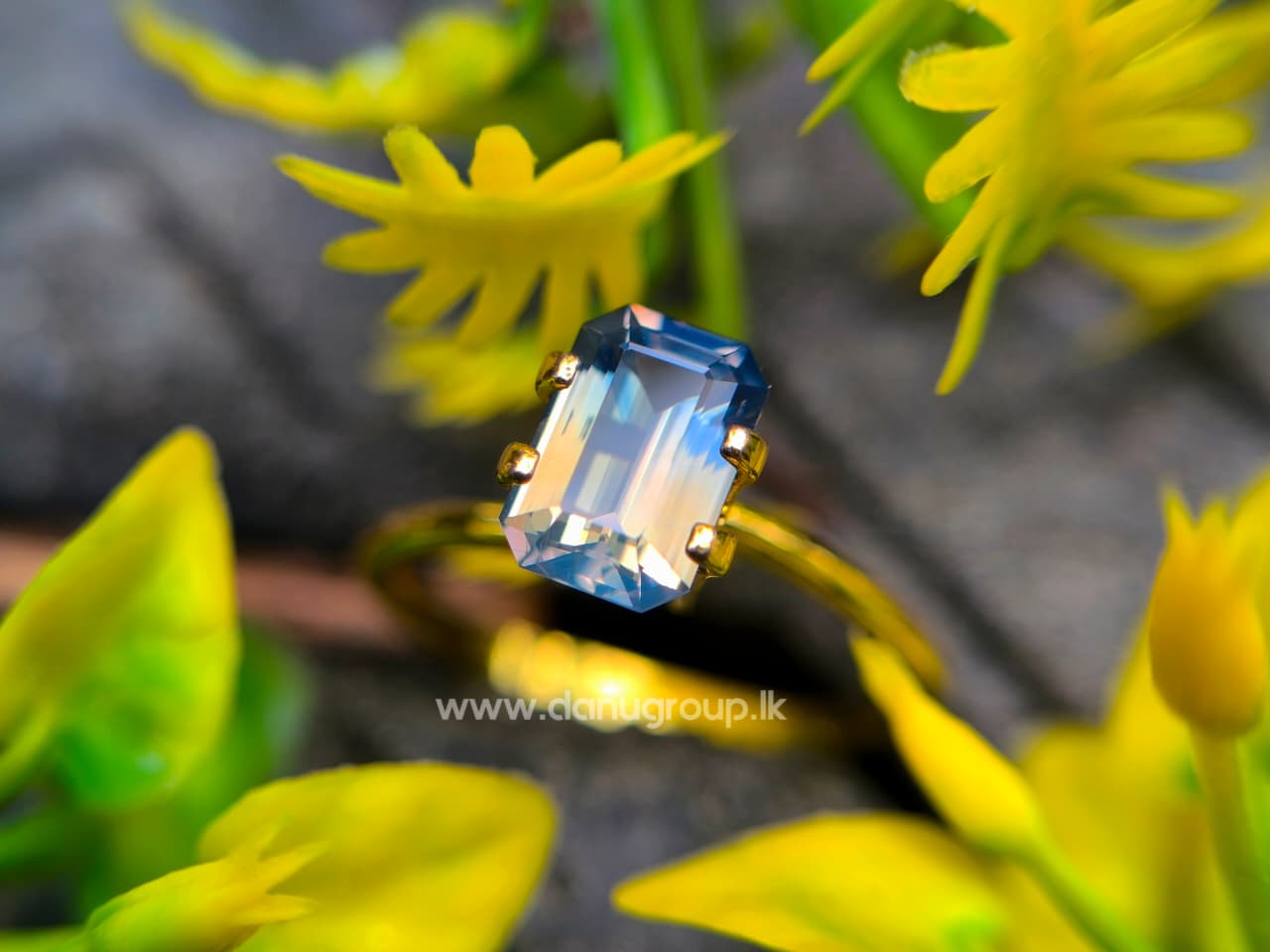
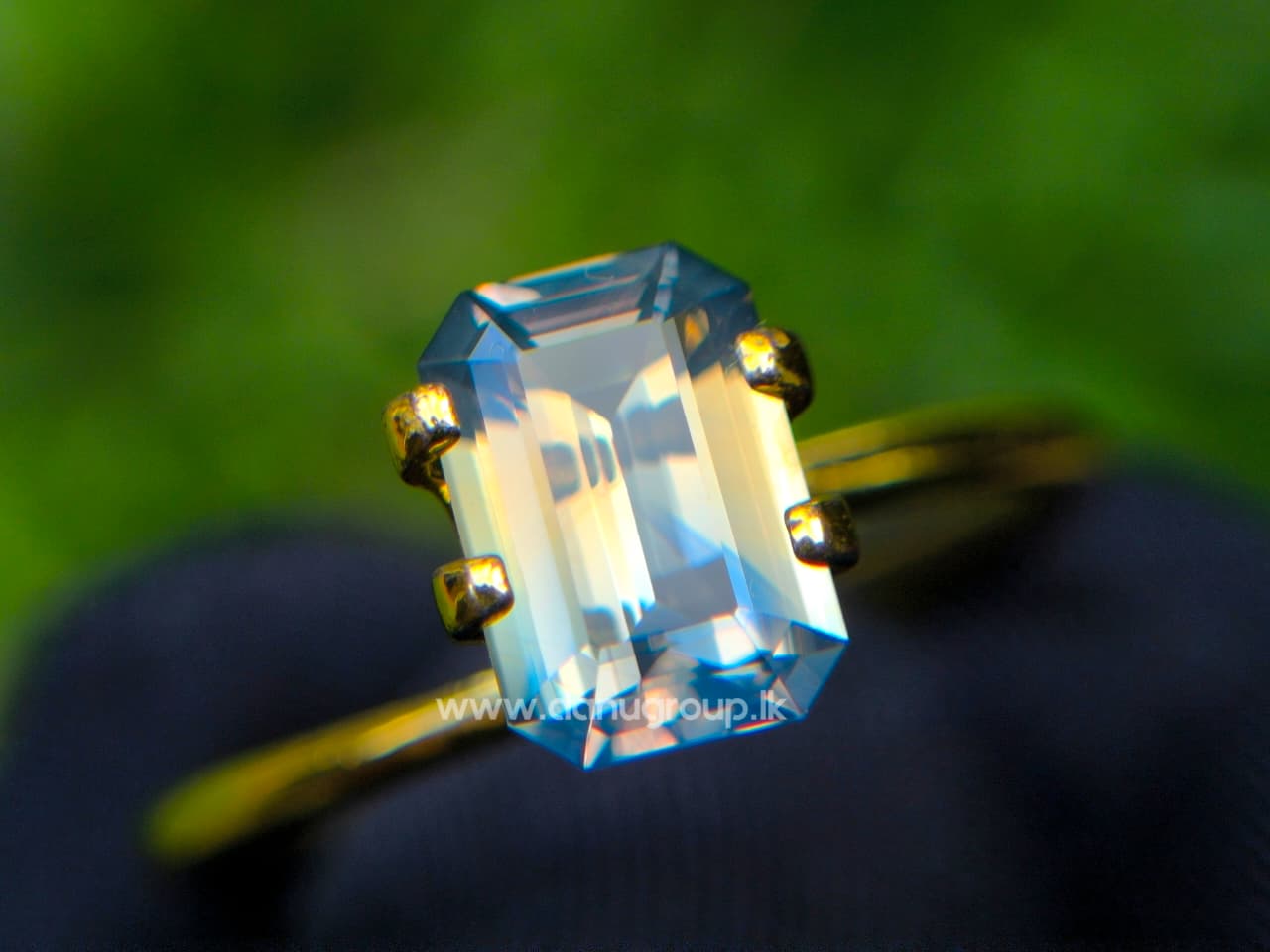
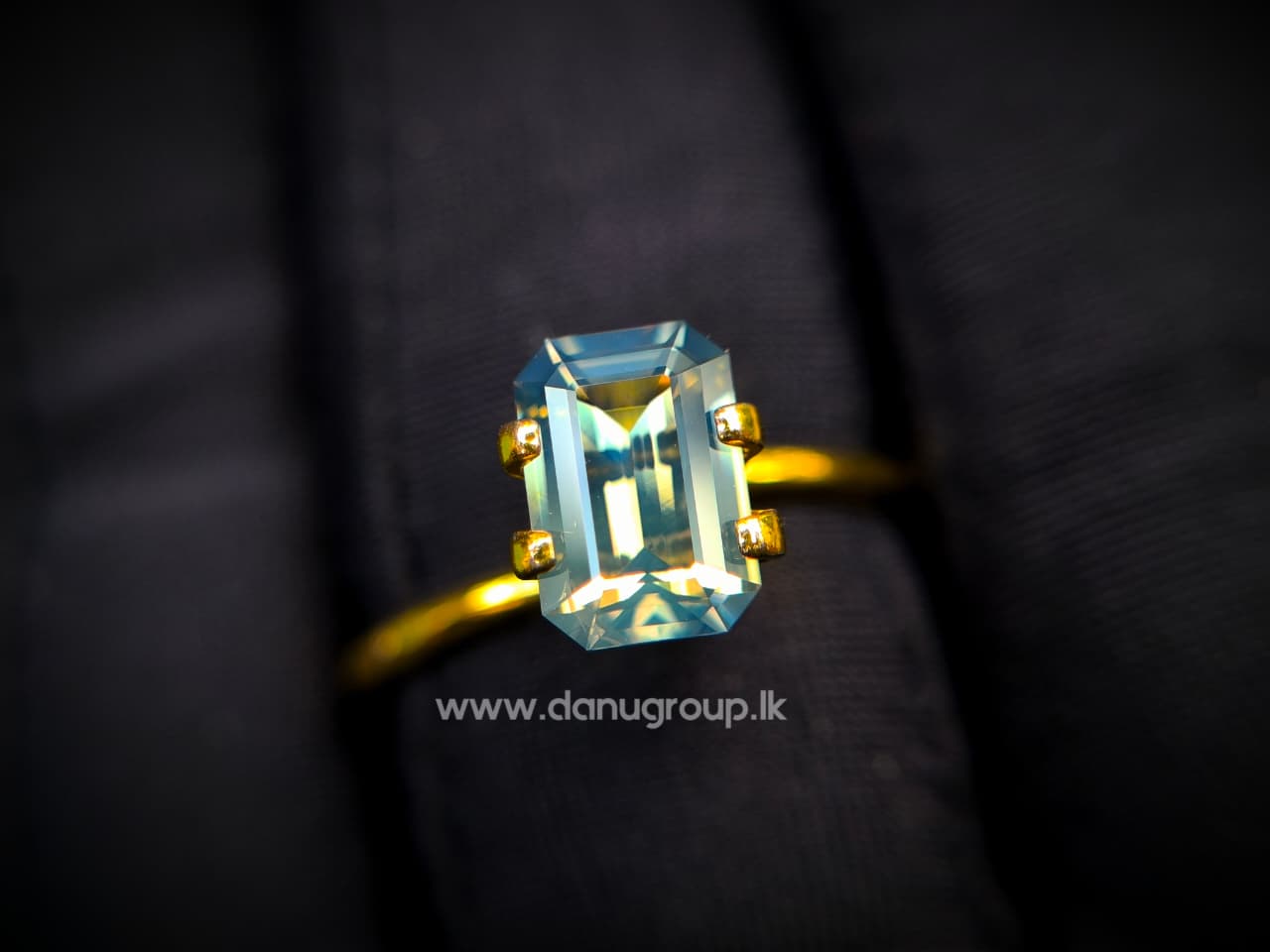
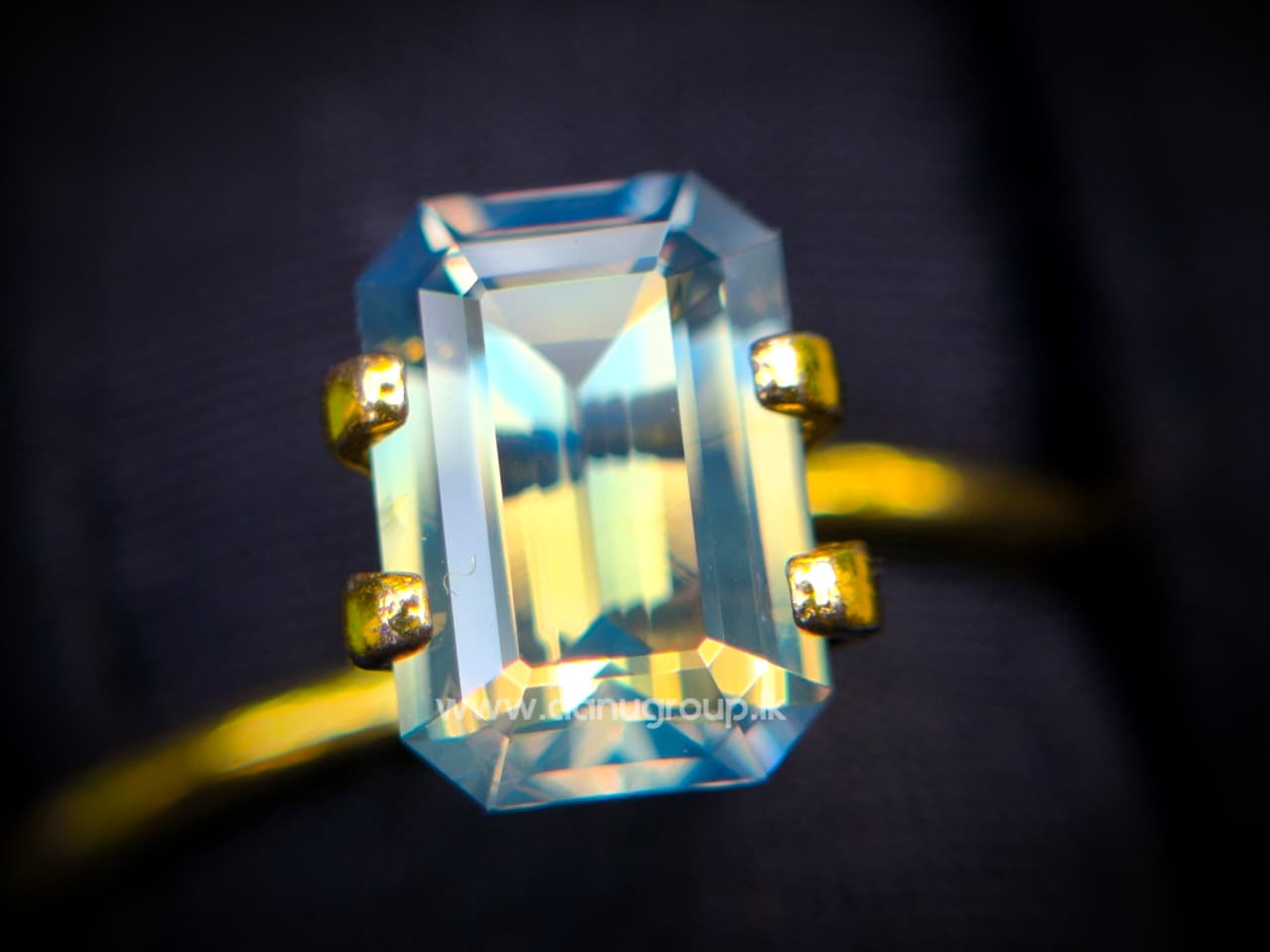
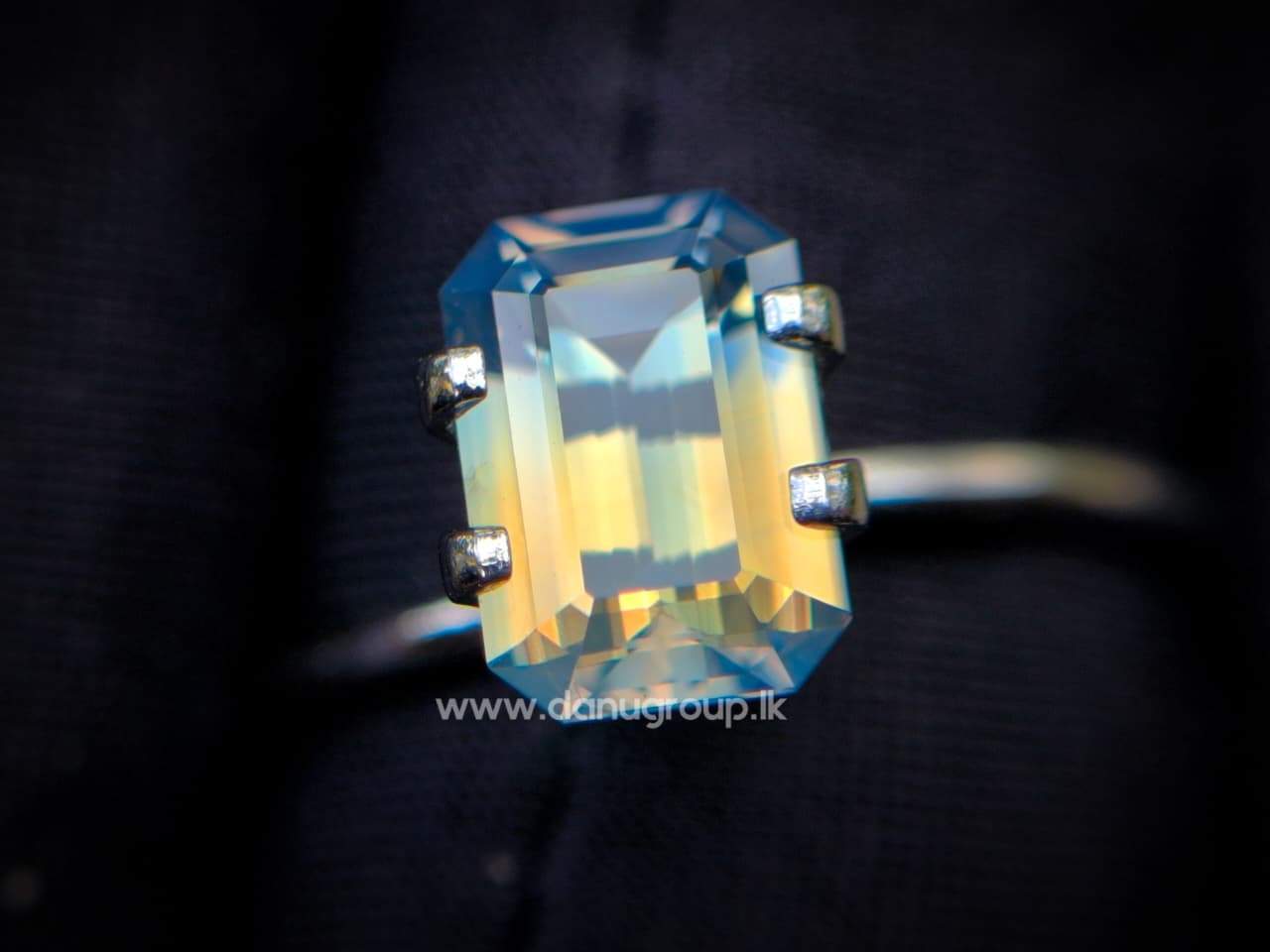
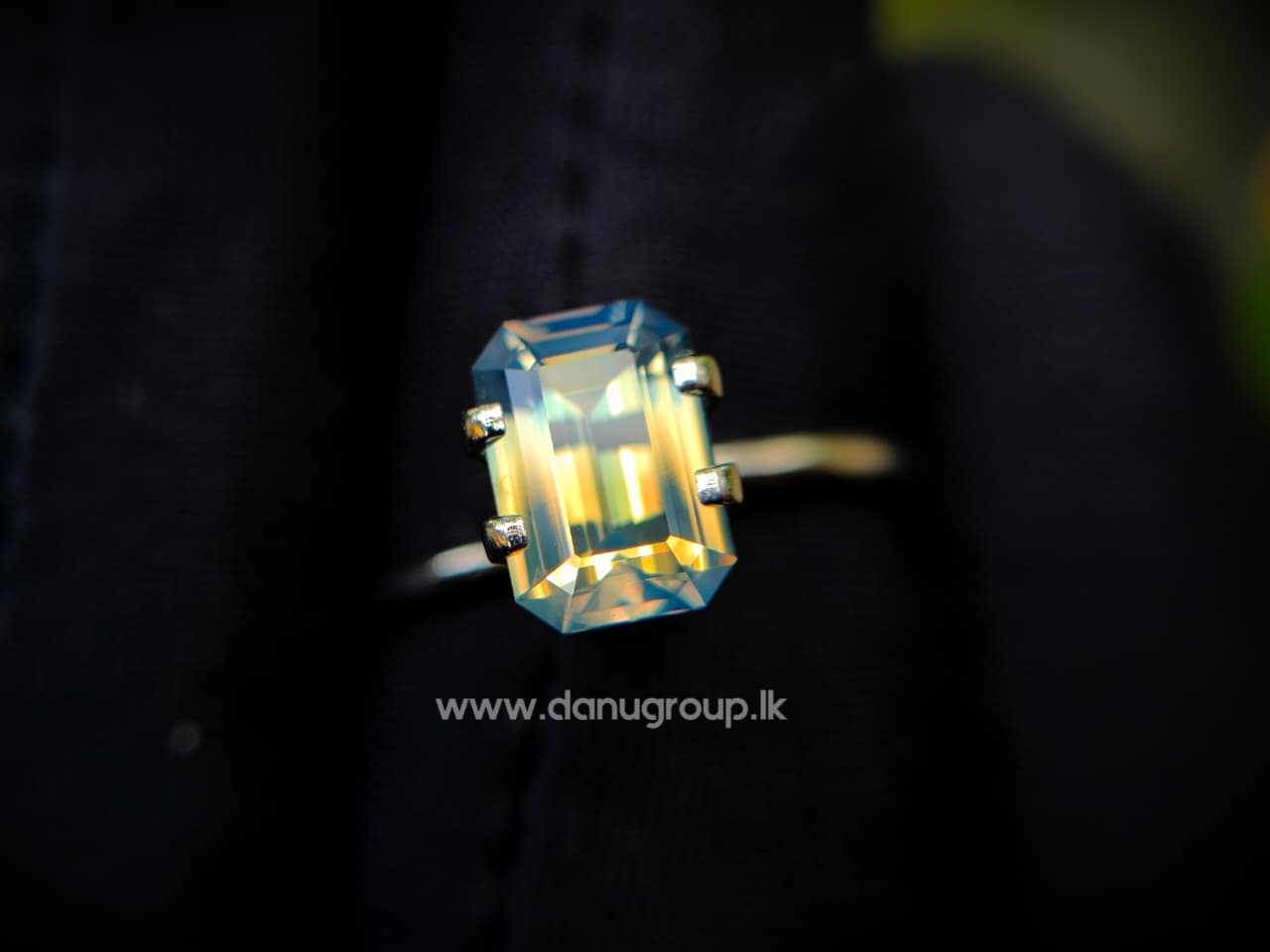
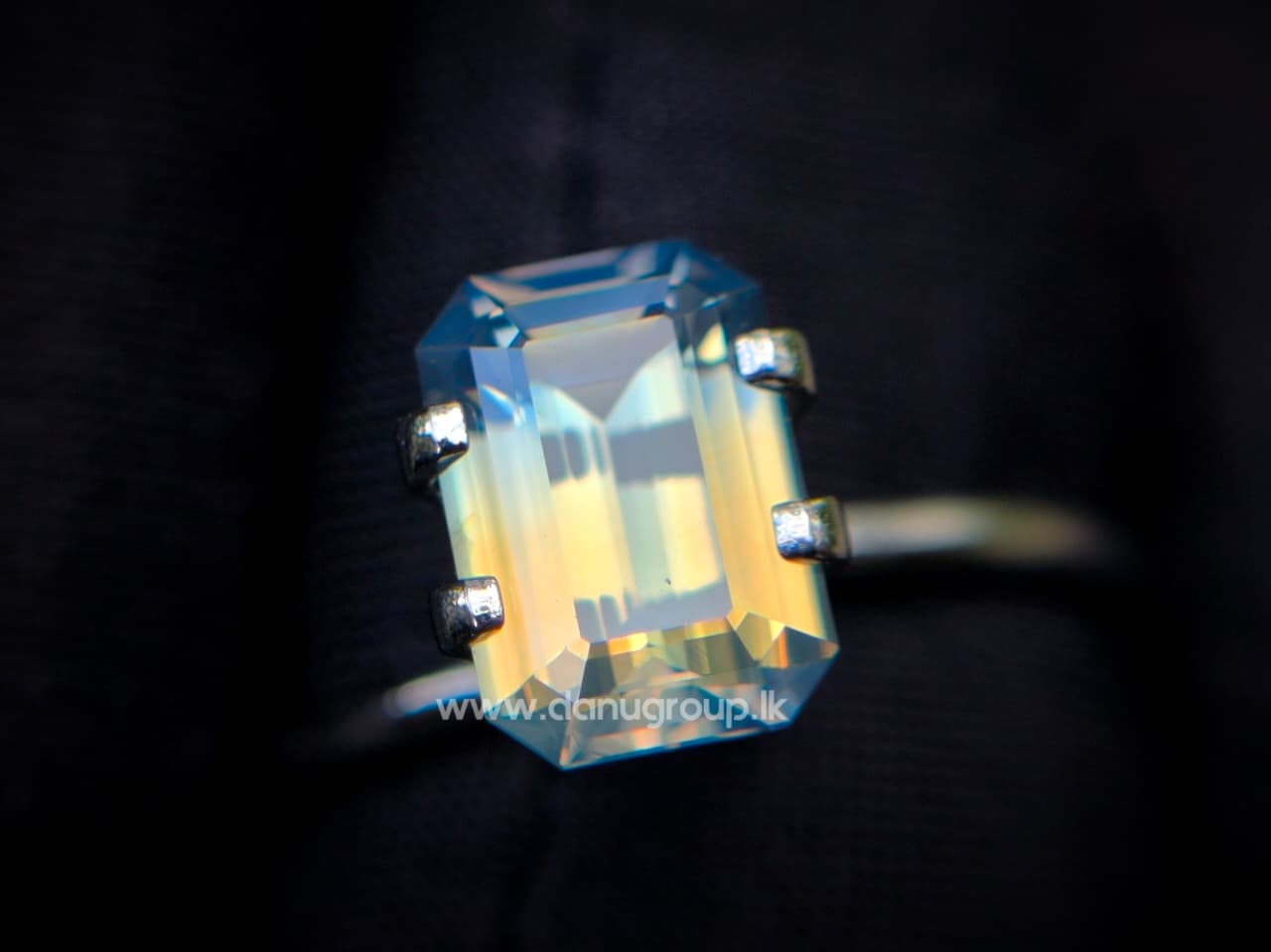
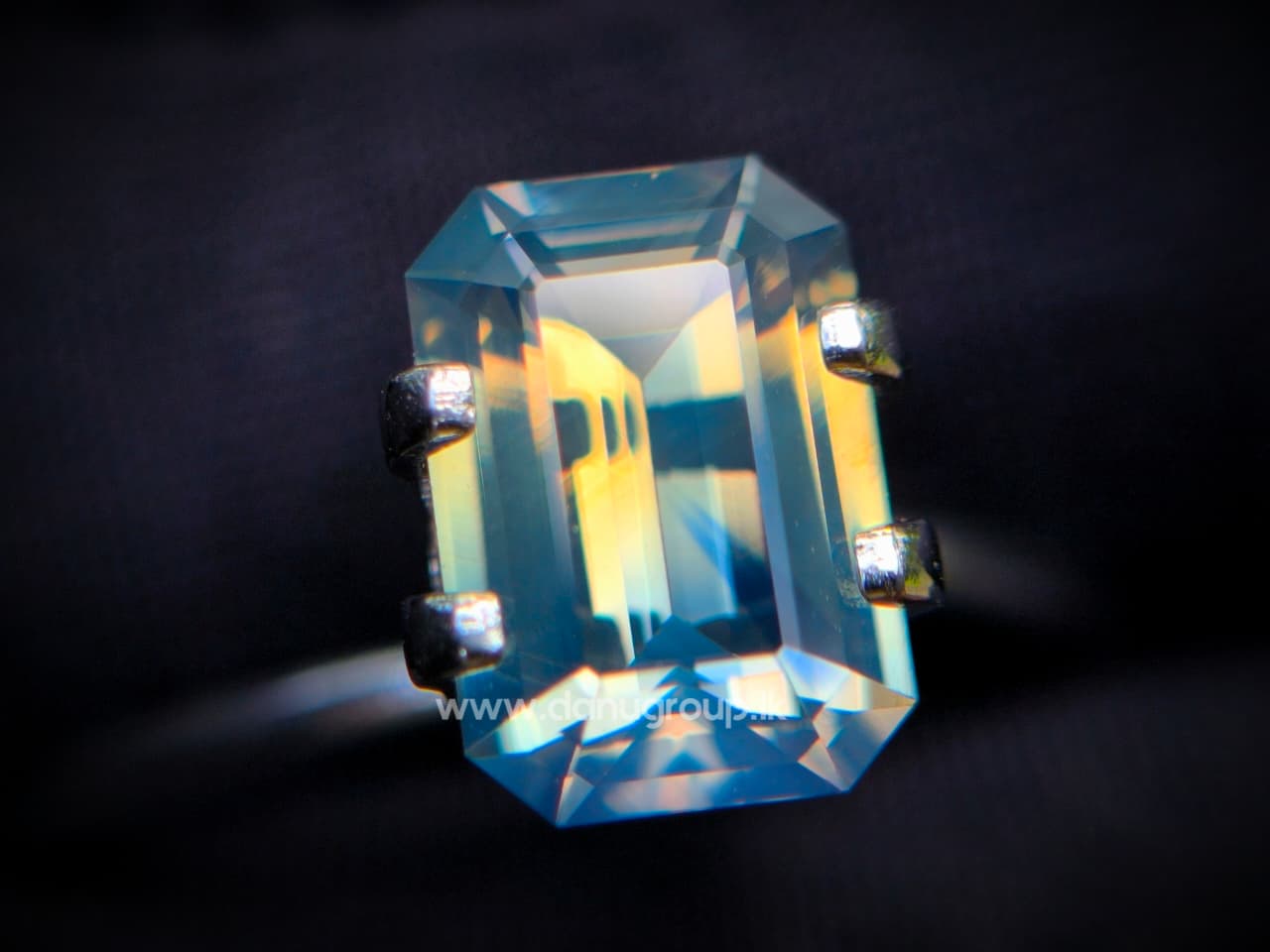
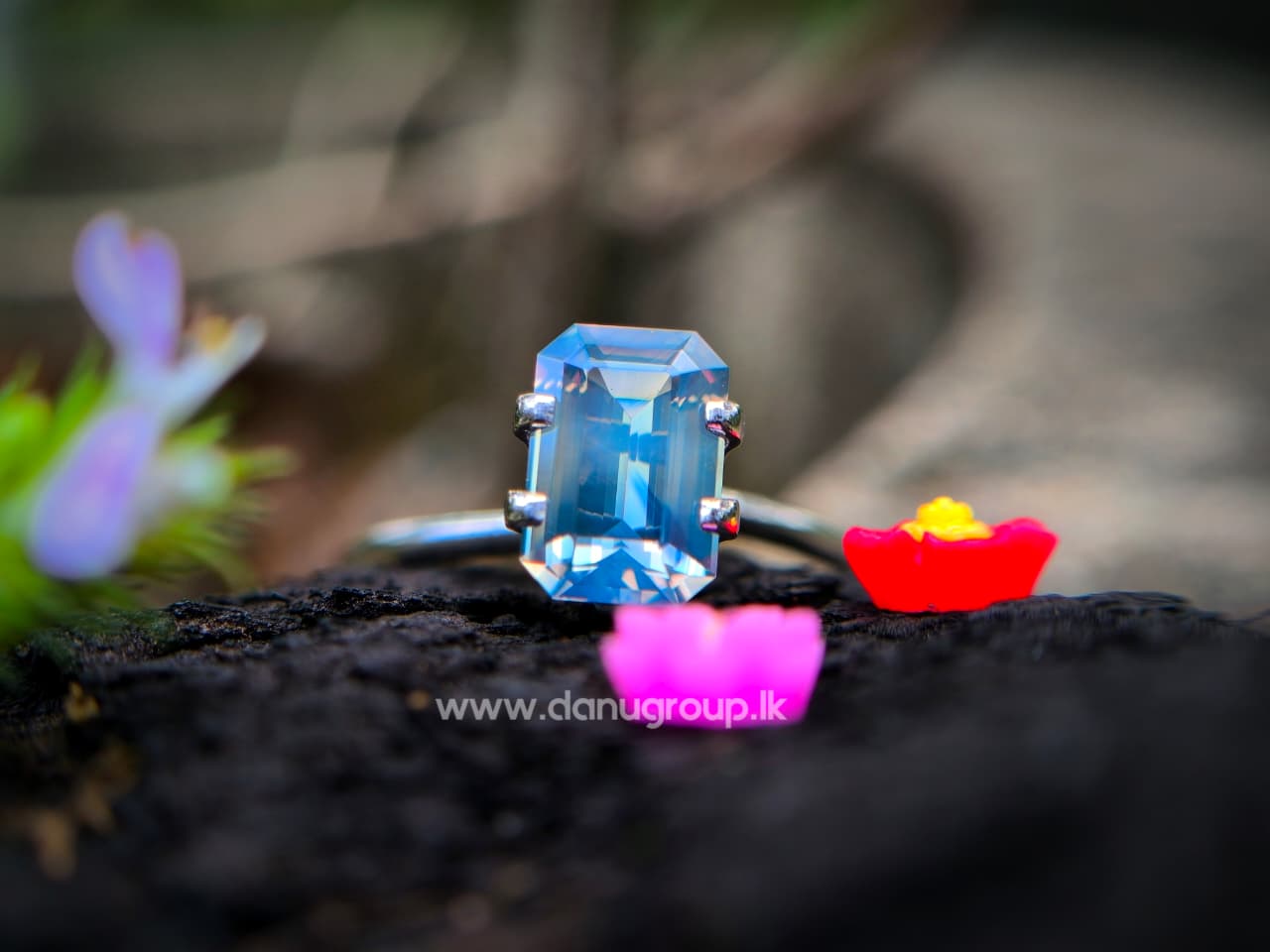
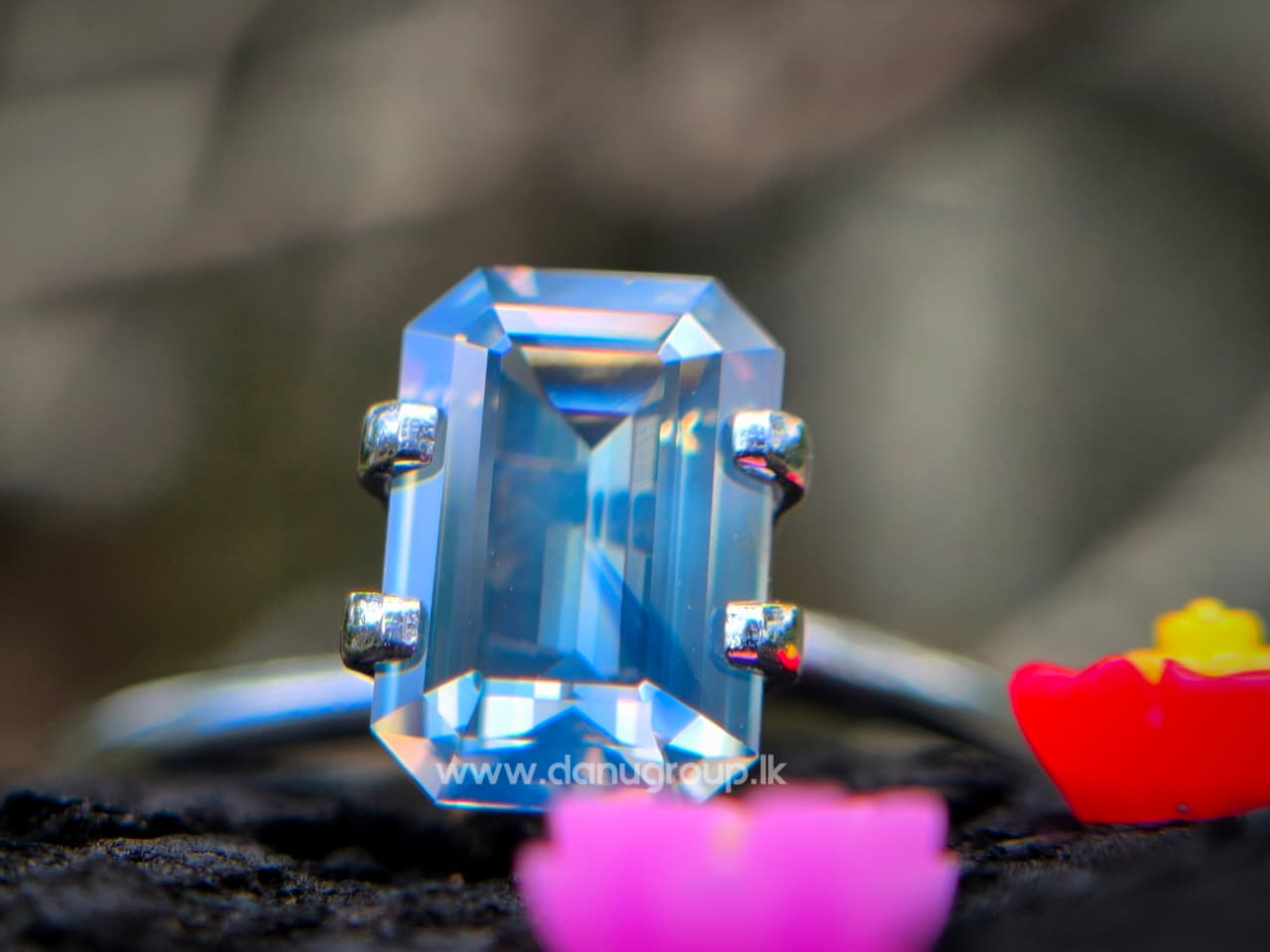
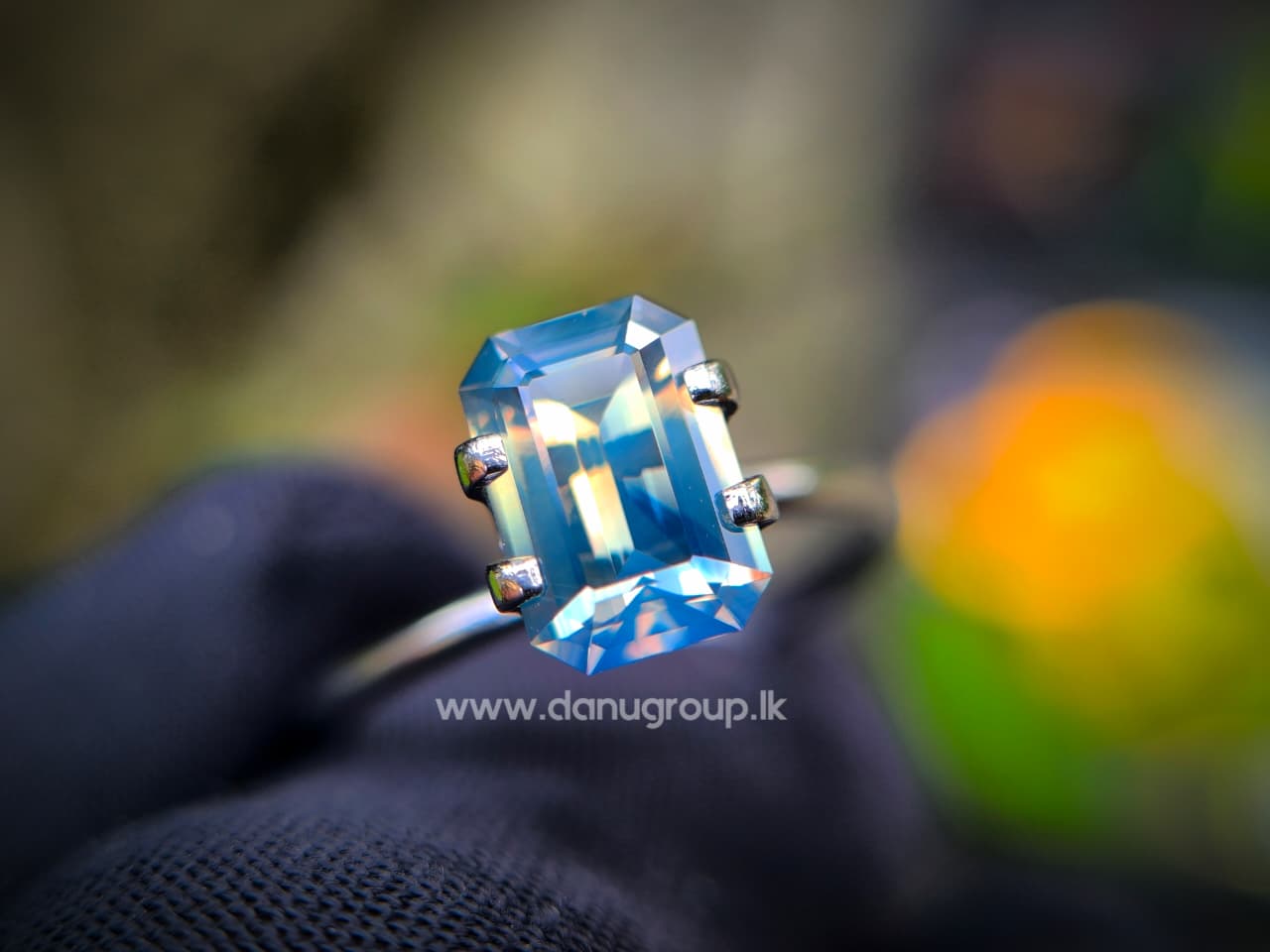
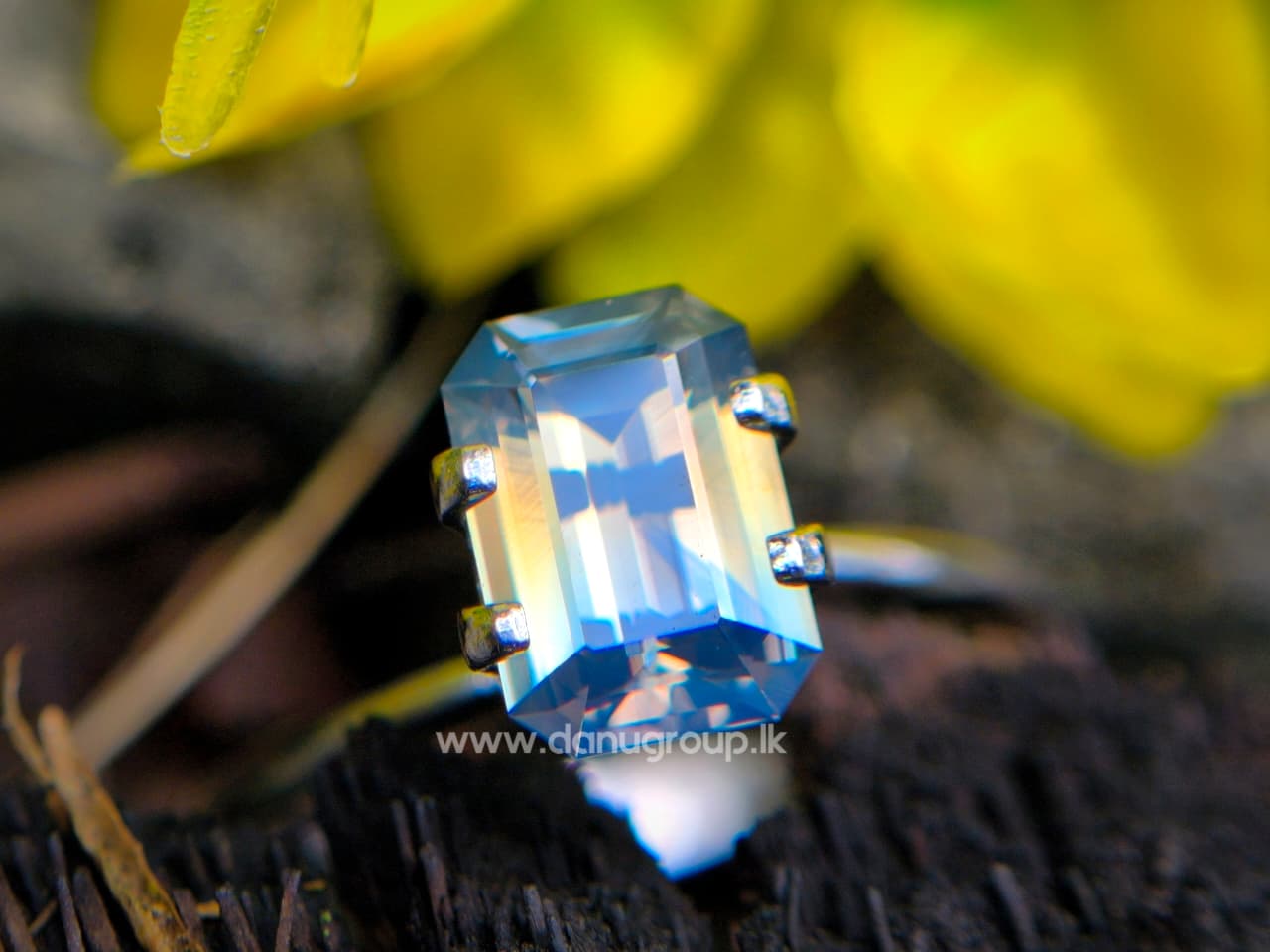
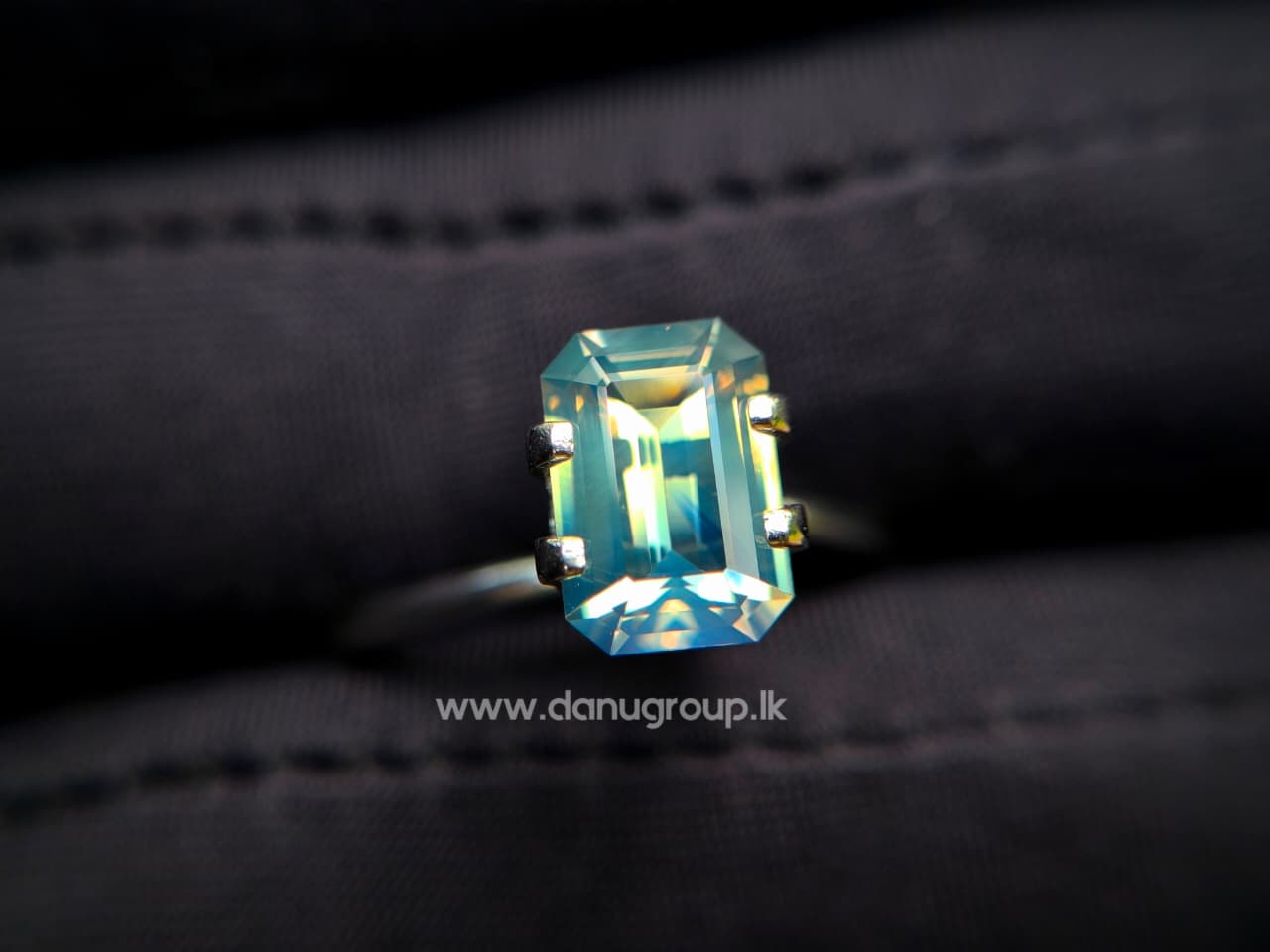
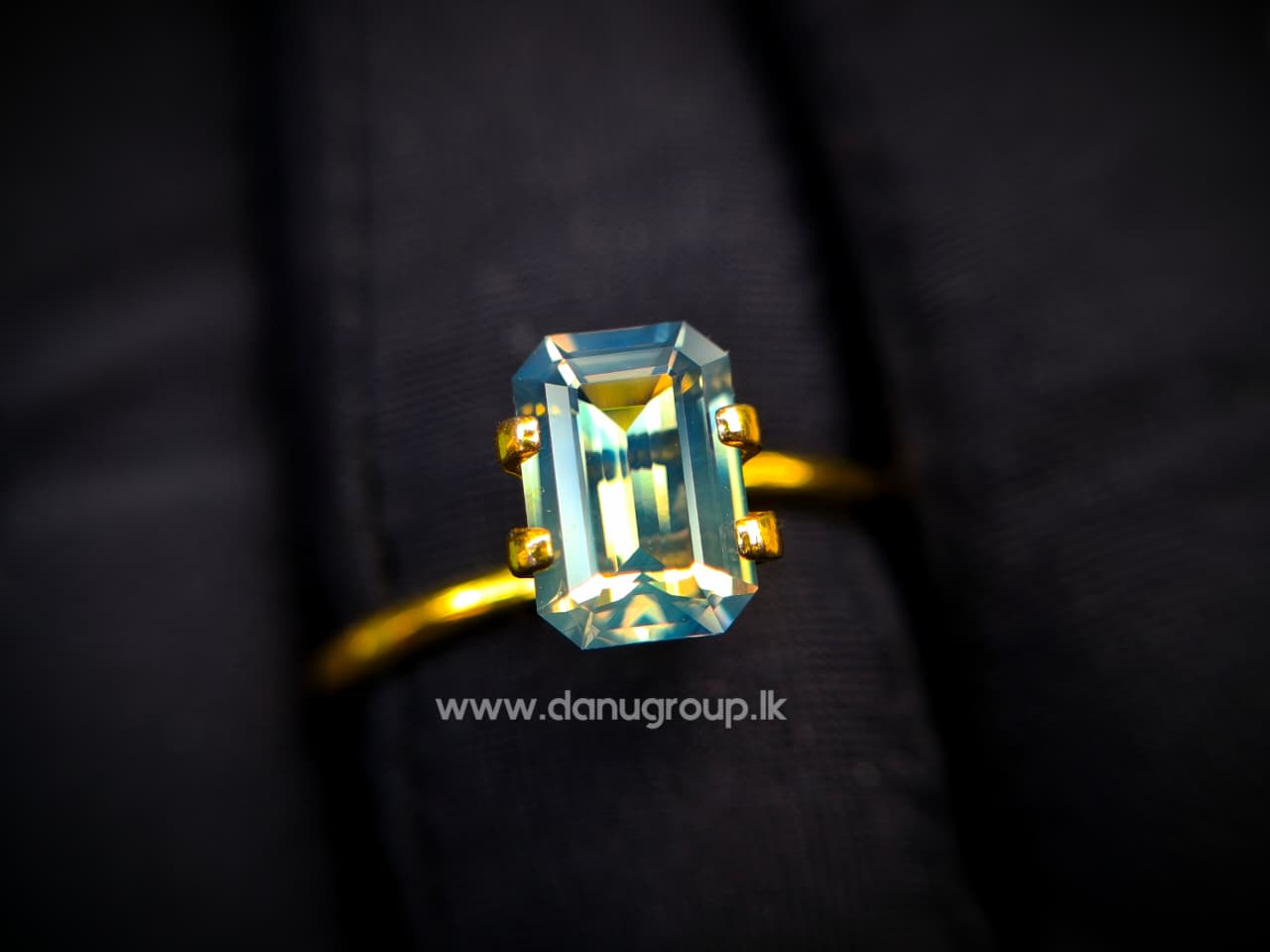
Natural Parti Colour Sapphire – Blue Green Yellow
From the source and rough evaluation to cutting, polishing, photography, certification, and final presentation, every stage of this sapphire’s journey has been connected to Danu Group.

Verified authenticity with trusted certification

Sourced from mining and cutting origin

Safe and secure delivery to your location


The PRICE mentioned on the website includes shipping cost. After You paid through the website cart (Visa, Master, Amex or Discover Diners club card), We start shipping process. If customers need more information or any JEWELRY request, Please Contact Us!
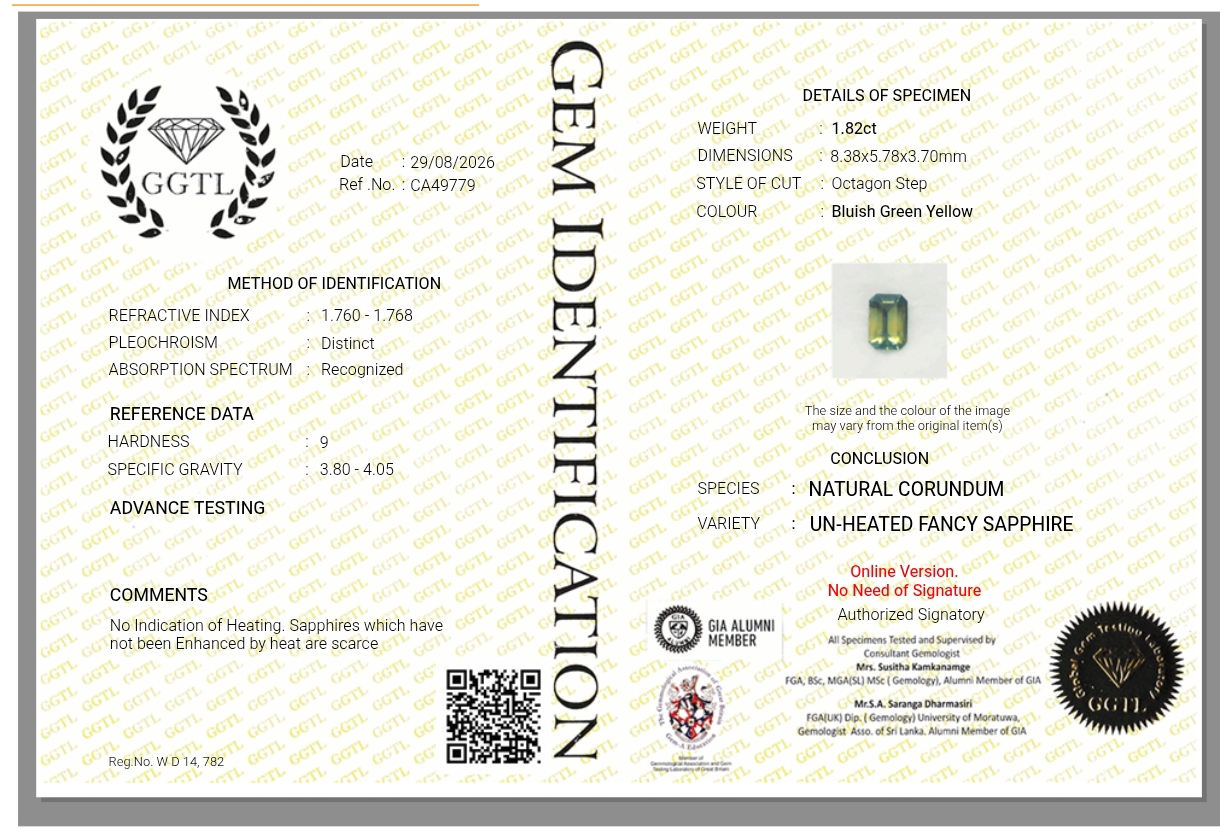
| Weight | 1.82 Ct |
|---|---|
| Dimensions | 8.38 × 5.78 × 3.70 mm |
| STYLE OF CUT | Octagon Step |
| COLOR | Bluish Green Yellow |
| TREATMENT | Unheated/Natural |
| SPECIES | natural corundum |
| VARIETY | Un-Heated Fancy Sapphire |
| CLARITY | Clean |
| REFRACTIVE INDEX | 1.760 – 1.768 |
| PLEOCHROISM | Distinct |
| ABSORPTION SPECTRUM | Recognized |
| HARDNESS | 9 |
| SPECIFIC GRAVITY | 3.80 – 4.05 |
| ORIGIN | Madagascar |
| CERTIFICATE | GGTL – Gem Testing Laboratory Certified (Gemologist – Mrs. Susitha Kamanamge and Mr. S.A. Saranga Dharmasiri/ FGA, BSc, MGA (SL), MSc (Gemology), GIA Alumni Member) |
| BIRTHSTONE | September |
| PLANET | Saturn 🪐 + Jupiter ♃ + Mercury ☿ — Combined Astrological Influence |
| ZODIAC SIGN | Capricorn ♑, Aquarius ♒ |
| WEARING FINGER | Middle Finger of the Right Hand (men), Left Hand: Receiver energy, preferred by left-dominant individuals or for internal growth. |
| WORN FOR | Wisdom, protection, mental clarity, discipline, prosperity, communication, confidence, and inner strength |
| SYMBOLIZES | Truth, loyalty, wisdom, growth, intelligence, balance, protection, prosperity, and harmony |
SOME GEMSTONE IMAGES ARE PHOTOGRAPHED ON NATURAL BACKGROUNDS TO OFFER A MORE REALISTIC SENSE OF THE STONE’S TRUE BEAUTY, CHARACTER, AND APPEARANCE WHEN PURCHASING ONLINE.
Sri Lankan National Gem and Jewellery Authority Licenced Gem Dealer.
Natural Parti-Colour Sapphire – From 6.02 Ct Madagascar Rough to a 1.82 Ct Blue, Green & Yellow Octagon Sapphire
This 1.82 ct Natural Parti-Colour Sapphire carries a complete source-to-finished journey documented by Danu Group, beginning with a substantially larger 6.02 ct natural sapphire rough from Madagascar. Before cutting, the crystal measured approximately 13.6 × 10.1 × 5.8 mm and displayed an attractive natural mixture of yellow, green and blue within the same piece of corundum.
From the beginning, the rough showed enough material to potentially produce a finished gemstone exceeding 3 carats. However, maximizing finished weight was not the priority for this particular stone. During evaluation, we considered the position of the cleaner material, the natural color zones, internal characteristics, proportions, and the orientation required for a well-balanced finished sapphire. Rather than preserve additional weight at the expense of clarity or cutting quality, Danu Group chose to remove more material and concentrate on the strongest section of the crystal.
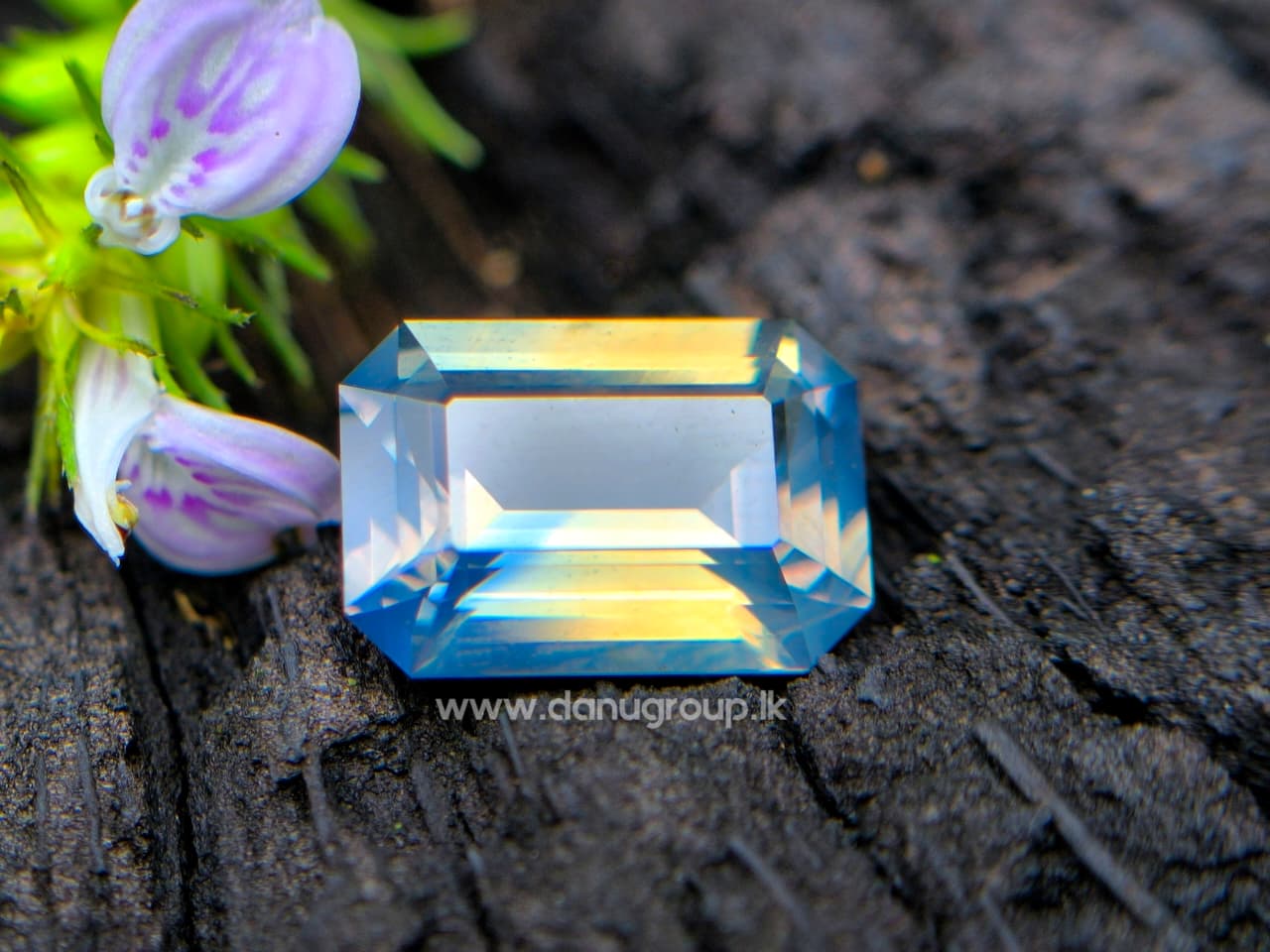
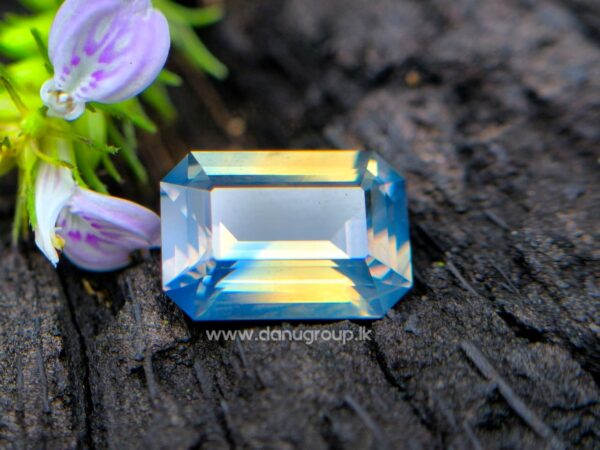
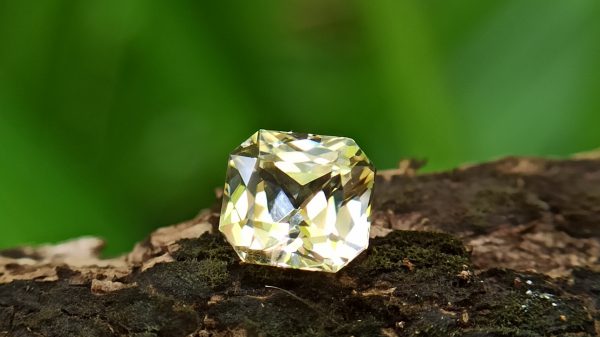
The result is a finished 1.82 ct Parti-Colour Sapphire, measuring 8.38 × 5.78 × 3.70 mm, fashioned into a carefully proportioned Octagon Step Cut.
This decision represents an important part of the Danu Group approach to cutting gemstones: weight retention is valuable, but it should not automatically take priority over transparency, visual balance, clarity, color presentation, and the overall quality of the finished gem. In this case, accepting a lower recovery from the original rough allowed the cutter to create a cleaner, more balanced gemstone intended to represent the best portion of the original crystal.
What Is a Parti-Colour Sapphire?
A parti-colour sapphire is a single natural sapphire crystal that contains two or more visibly different color zones. It is not several gemstones joined together, nor is the appearance created by assembling differently colored pieces.
Instead, the different colors developed naturally as the corundum crystal grew.
This gemstone shows a combination best described as bluish green with yellow, with blue, green, and yellow appearing in different proportions depending on lighting, orientation, background, and viewing angle.
Because a step cut contains broad, relatively open facets, different zones can become more dominant as the gemstone moves. Under one angle, the cooler blue-green regions may attract attention; from another, warmer yellow reflections can become more apparent.
This changing visual balance is one of the defining characteristics of a well-oriented parti sapphire.
Gemological Science of Sapphire
Sapphire belongs to the mineral species corundum. Corundum is crystalline aluminum oxide, with the chemical formula Al₂O₃.
Chemically pure corundum would be essentially colorless. The many colors associated with sapphire are created mainly by small quantities of trace elements incorporated into the crystal lattice during natural geological formation.
Because only very small concentrations of these elements may be necessary to influence color, changes in the geological environment while the crystal grows can create substantial visual differences within the same piece of corundum.
What Produces Blue, Yellow and Green in Sapphire?
In blue sapphire, coloration is commonly associated with interactions involving iron and titanium. One particularly important blue-producing mechanism involves intervalence charge transfer between iron and titanium ions within the corundum structure.
Yellow coloration in sapphire is frequently associated with ferric iron, Fe³⁺, although sapphire color chemistry can be complex and the exact mechanism can vary between deposits and individual crystals.
Green sapphire may result when blue- and yellow-producing absorption characteristics occur together. Iron-related chemistry can therefore play an important role in many green and blue-green sapphires.
When these trace elements are distributed unevenly during crystal growth, one part of the sapphire may develop blue coloration while another section appears green or yellow.
That process can create the natural color zoning seen in parti-colour sapphire.
Importantly, these are general scientific explanations of sapphire coloration. They should not be interpreted as a claim that the trace-element chemistry of this individual gemstone was specifically quantified by chemical analysis unless such testing is separately stated on its laboratory report.
Crystal Structure and Physical Properties
Corundum crystallizes in the trigonal crystal system and has an exceptionally compact crystal structure. This strong atomic arrangement contributes to sapphire’s outstanding hardness and long-term durability.
Sapphire has a hardness of 9 on the Mohs scale, exceeded among common natural gemstones only by diamond. This high resistance to scratching is one of the principal reasons sapphire has been used for centuries in rings and other jewelry intended for regular wear.
The typical refractive-index range of natural corundum is approximately 1.760–1.770. The supplied gemological information for this individual gemstone records 1.760–1.768.
Corundum is doubly refractive, generally showing a relatively small birefringence of approximately 0.008–0.010.
The supplied examination records distinct pleochroism. Pleochroism allows certain colored sapphires to show different hues or color intensities when viewed along different crystallographic directions.
For a parti sapphire, pleochroism can interact visually with the physical color zoning already present in the stone, making correct cutting orientation particularly important.
Sapphire has a specific gravity close to 4.00, while the supplied range for this gemstone is 3.80–4.05.
Its polished surface typically shows a vitreous luster.
Corundum has no true cleavage, although structural parting can occasionally occur. Its fracture may be uneven to conchoidal. Combined with Mohs hardness 9 and generally good toughness, these characteristics make sapphire an excellent gemstone for fine jewelry when appropriately set and cared for.
Why Cutting Orientation Matters in Parti Sapphire
Cutting a conventional single-color sapphire already requires careful orientation. With a parti-colour sapphire, the decision becomes even more complex.
The cutter must evaluate several factors simultaneously:
the location of inclusions,
the distribution of colors,
the direction of pleochroism,
the shape of the original rough,
potential weight retention,
finished depth,
symmetry,
windowing,
extinction,
and the way different colors will appear face-up.
A heavier finished sapphire is not necessarily a better finished sapphire.
If maximizing weight requires retaining an included area or an unnecessarily deep pavilion, the finished gemstone may weigh more while appearing less balanced or less transparent.
For this 6.02 ct rough, Danu Group chose the opposite approach. Although the material offered the possibility of producing a stone above 3 ct, the decision was made to sacrifice additional weight to concentrate on the better portion of the crystal.
That cutting philosophy produced the final 1.82 ct high-quality sapphire with a cleaner presentation and more balanced geometry.
The Octagon Step Cut
The finished stone was fashioned as an Octagon Step Cut.
A step cut uses long, parallel rows of facets rather than the numerous triangular or kite-shaped facets associated with brilliant cutting. These broad facets create larger flashes of reflected light and allow the observer to look more deeply into the body of the gemstone.
This can be particularly effective for parti-colour sapphires.
Instead of visually blending every color into a single overall impression, the broad facets allow different blue, green, and yellow sections to remain visible.
The octagonal outline also provides a strong geometric frame for the natural color zoning while clipped corners add refinement and reduce vulnerable sharp points.
The finished dimensions of 8.38 × 5.78 × 3.70 mm create an elongated architectural profile suitable for contemporary or classic jewelry designs.
Natural Unheated Status
The supplied laboratory information identifies the gemstone as Natural Corundum, variety Un-Heated Fancy Sapphire, with the comment:
No Indication of Heating.
Heat treatment is a long-established practice within the sapphire trade and is often used to modify color or apparent clarity. Heated and unheated natural sapphires are both legitimate categories of natural gemstone, provided treatment is disclosed accurately.
For this individual gemstone, the laboratory reported no indication of heating, meaning the features observed during examination did not indicate conventional heat enhancement.
The supplied certificate additionally comments that sapphires that have not been enhanced by heat are scarce.
The blue, green, and yellow appearance of this gemstone is therefore presented as the natural color arrangement of the sapphire rather than a color pattern produced through conventional heat enhancement.
Madagascar and Fancy-Colour Sapphire
Madagascar is an internationally important source of natural corundum and has produced sapphire across a wide spectrum of colors.
Its gem deposits have yielded blue sapphire as well as pink, yellow, green, parti-colour, and other fancy-color material.
The variety of sapphire colors reflects differences in geology and trace-element chemistry between deposits and individual crystals.
This gemstone’s combination of blue, green, and yellow gives it an individual identity within that broader Madagascar sapphire production.
Jewelry Potential
With a Mohs hardness of 9, sapphire is highly suitable for jewelry, including rings, pendants, earrings, and bespoke fine-jewelry pieces.
The elongated octagonal shape of this stone makes it particularly attractive as a center gemstone.
A simple setting can allow the natural blue-green-yellow zoning to remain the visual focus. Alternatively, complementary diamonds or carefully selected colored gemstones can highlight different areas of the sapphire.
Because the color balance changes under different illumination and viewing angles, the stone can appear subtly different as it moves on the hand or within a piece of jewelry.
That natural variation is part of its character rather than something the cut attempts to hide.
Traditional Birthstone and Astrological Associations
Sapphire is traditionally recognized as the September birthstone.
Because this parti sapphire combines blue, yellow, and green, the supplied traditional astrological interpretation associates its colors with the combined influence of Saturn 🪐, Jupiter ♃, and Mercury ☿.
Within those traditions:
Blue sapphire is associated with Saturn.
Yellow sapphire is associated with Jupiter.
Green sapphire is associated with Mercury.
The middle finger of the right hand is traditionally suggested for men in the supplied guidance, while the left hand is interpreted in some traditions as a receptive side and may be preferred by left-dominant wearers or those seeking symbolism related to internal growth.
Traditional beliefs associate the combination with wisdom, protection, mental clarity, discipline, prosperity, communication, confidence, and inner strength. Symbolically, it may represent truth, loyalty, wisdom, growth, intelligence, balance, protection, prosperity, and harmony.
These are traditional astrological and cultural associations and are not scientifically established effects of gemstones yet.
From Source to Finished Stone – The Danu Group Approach
The story of this sapphire began long before it became the polished gemstone seen today.
Danu Group sourced the 6.02 ct Madagascar rough, studied its natural blue-green-yellow color distribution and internal structure, planned the orientation, and made a deliberate decision not to chase maximum carat retention.
Although a finished gemstone above 3 ct was possible, we chose to remove additional material and concentrate on the section capable of delivering the clarity, balance, geometry, and visual quality we wanted from the finished piece.
That decision reduced the finished weight to 1.82 ct, but produced a more refined gemstone with a carefully balanced octagon step cut.
For Danu Group, weight loss during cutting is acceptable when it serves a better finished result. The objective is not simply to produce the heaviest possible gemstone from a rough crystal; it is to reveal the strongest gemstone the rough can reasonably become.
From the source and rough evaluation to cutting, polishing, photography, certification, and final presentation, every stage of this sapphire’s journey has been connected to Danu Group.
It is a source-to-finished story built around natural character, gemological transparency, precise craftsmanship, and the decision to place finished quality ahead of maximum weight retention.
Q & A
Frequently Asked Questions
The original Madagascar rough weighed 6.02 ct and measured approximately 13.6 × 10.1 × 5.8 mm.
Although the rough had the potential to produce a gemstone exceeding 3 ct, Danu Group chose to remove more material to avoid less desirable areas and prioritize clarity, proportion, balance, and overall finished quality.
No. Gemstone yield depends on the rough's shape, inclusions, color distribution, orientation, and the desired finished quality. Sometimes sacrificing additional weight produces a significantly better gemstone.
A parti sapphire is one natural corundum crystal containing two or more visible colors or color zones.
No. They are naturally occurring color zones within the same sapphire crystal.
Trace elements within corundum influence sapphire color. Iron and titanium are important in blue sapphire, while iron-related chemistry contributes strongly to yellow and many green sapphire colors.
No, It's Certified and No Indication of Heating.
Sapphire is the gem variety of corundum, chemically aluminum oxide, Al₂O₃.
The broad step facets help preserve the visibility of the natural color zones while providing a clean, balanced geometric appearance.
Yes. Corundum has Mohs hardness 9 and is highly suitable for rings and other fine jewelry when properly set and maintained.
QR Code

Related Products

Blue Sapphire Heart Sri Lanka
Natural Dark Blue Sapphire ( Kakanil ) කාකනිල්
Ceylon Natural Blue Sapphire Heart
Ceylon Natural Dark Blue Sapphire (Kakanil)
Natural Orangy Brown Sapphire
Ceylon Natural Vivid Royal Blue Sapphire