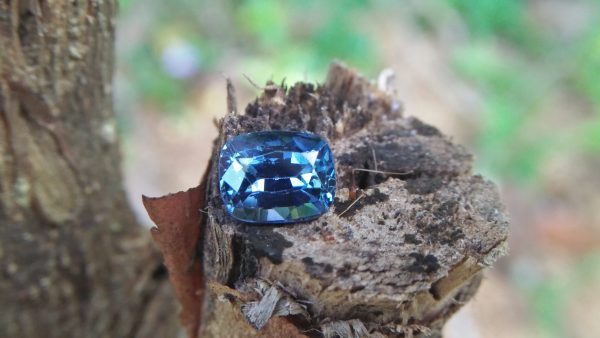
Ceylon Blue Sapphire
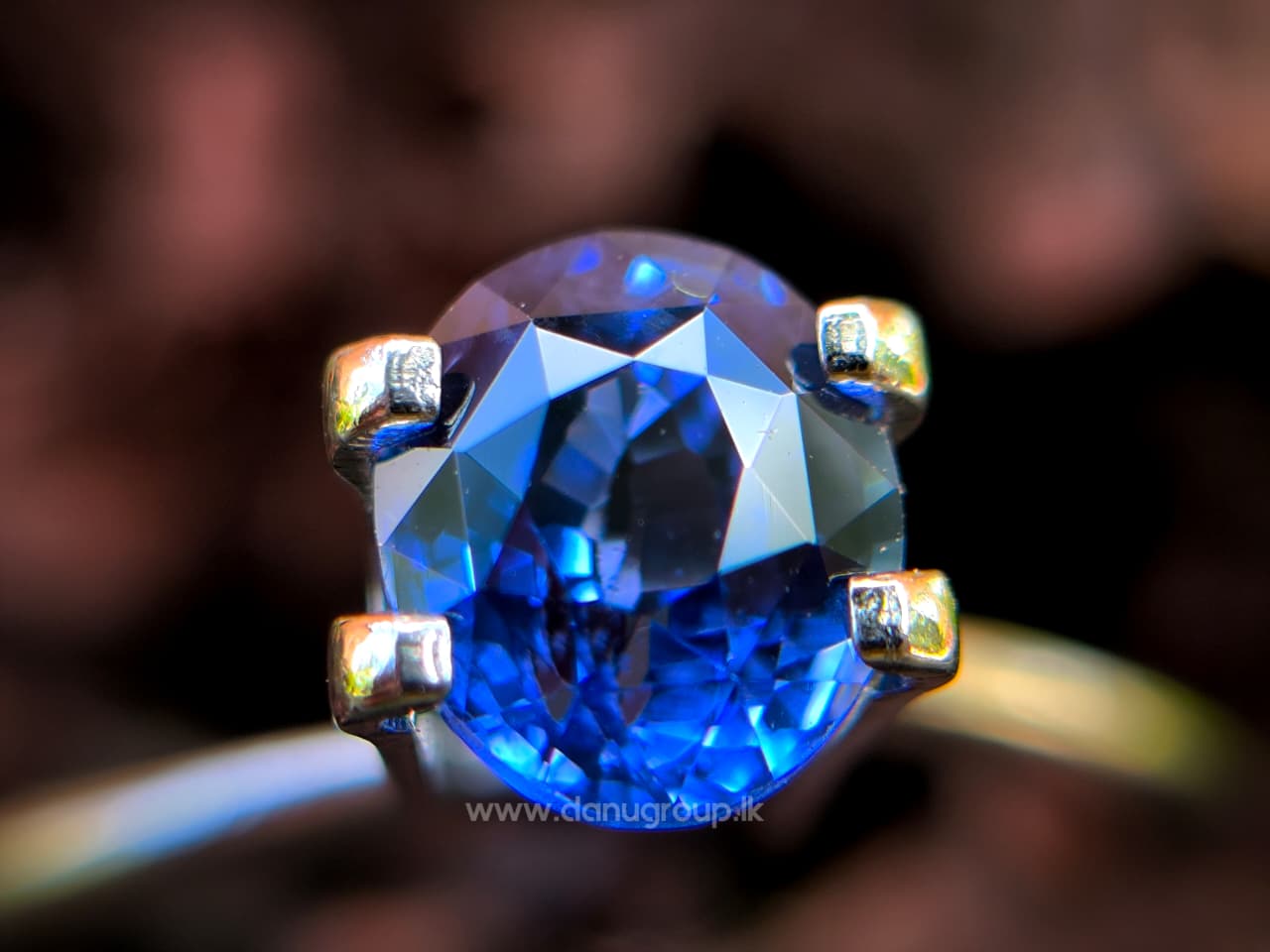
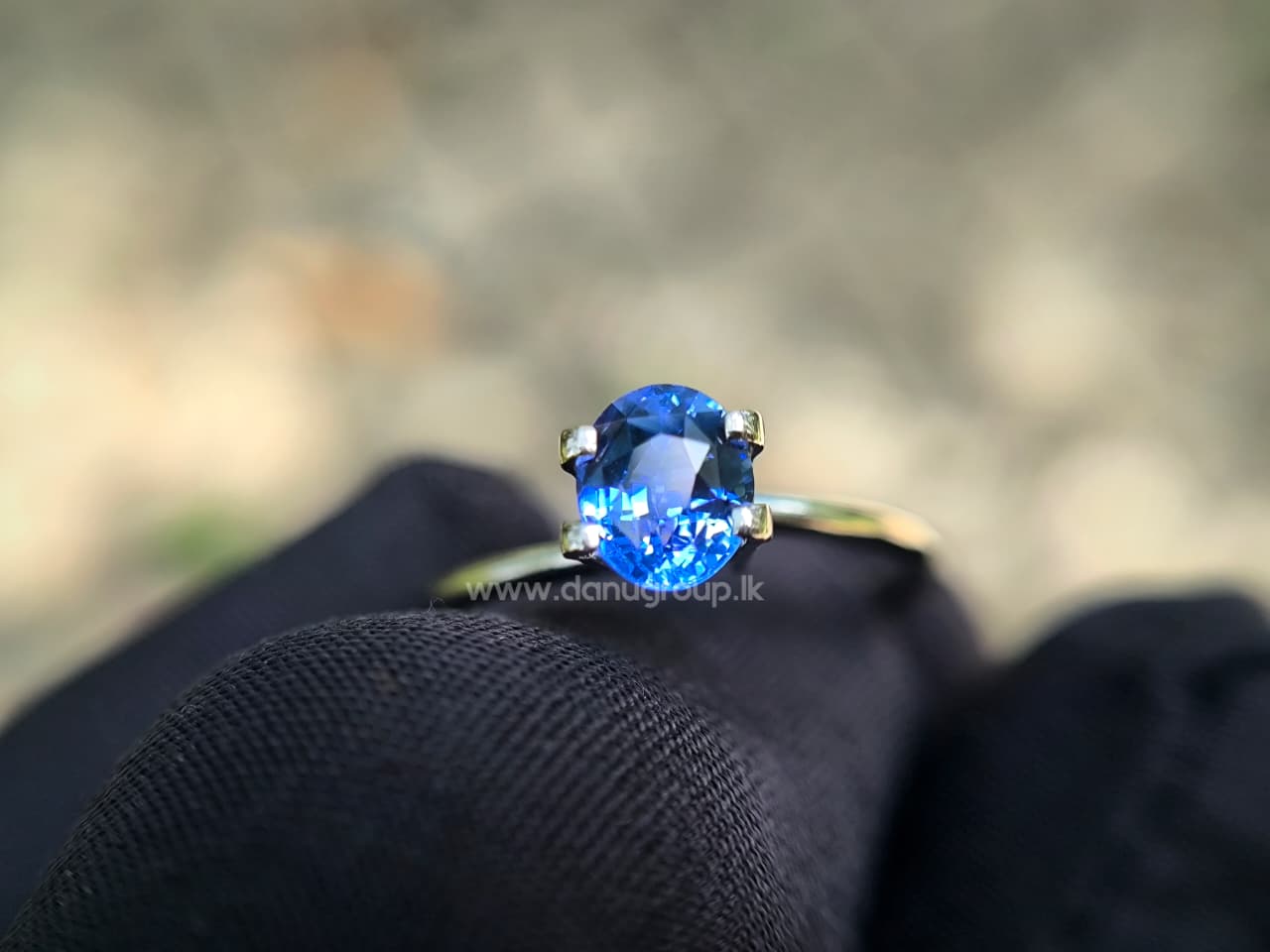
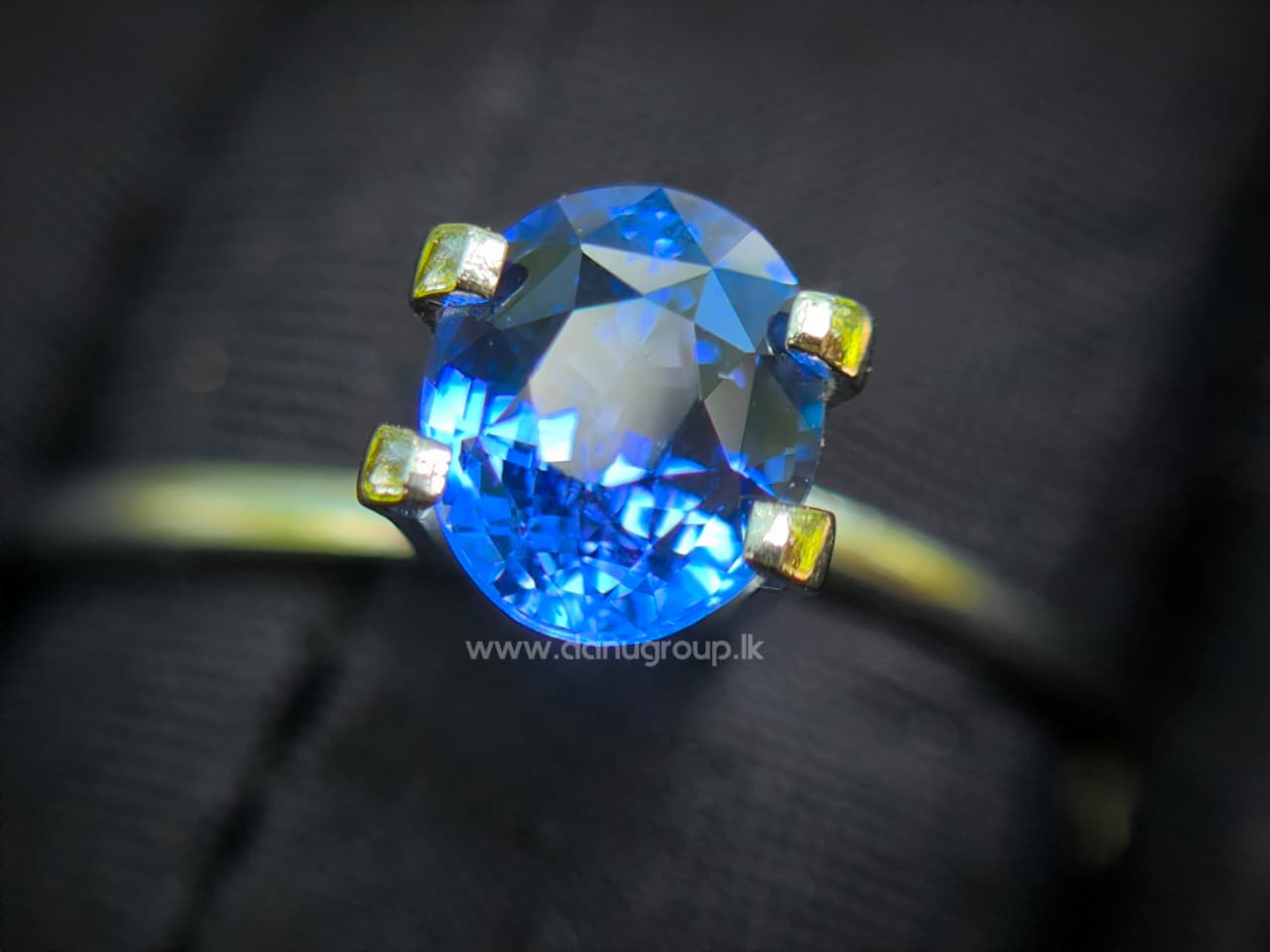
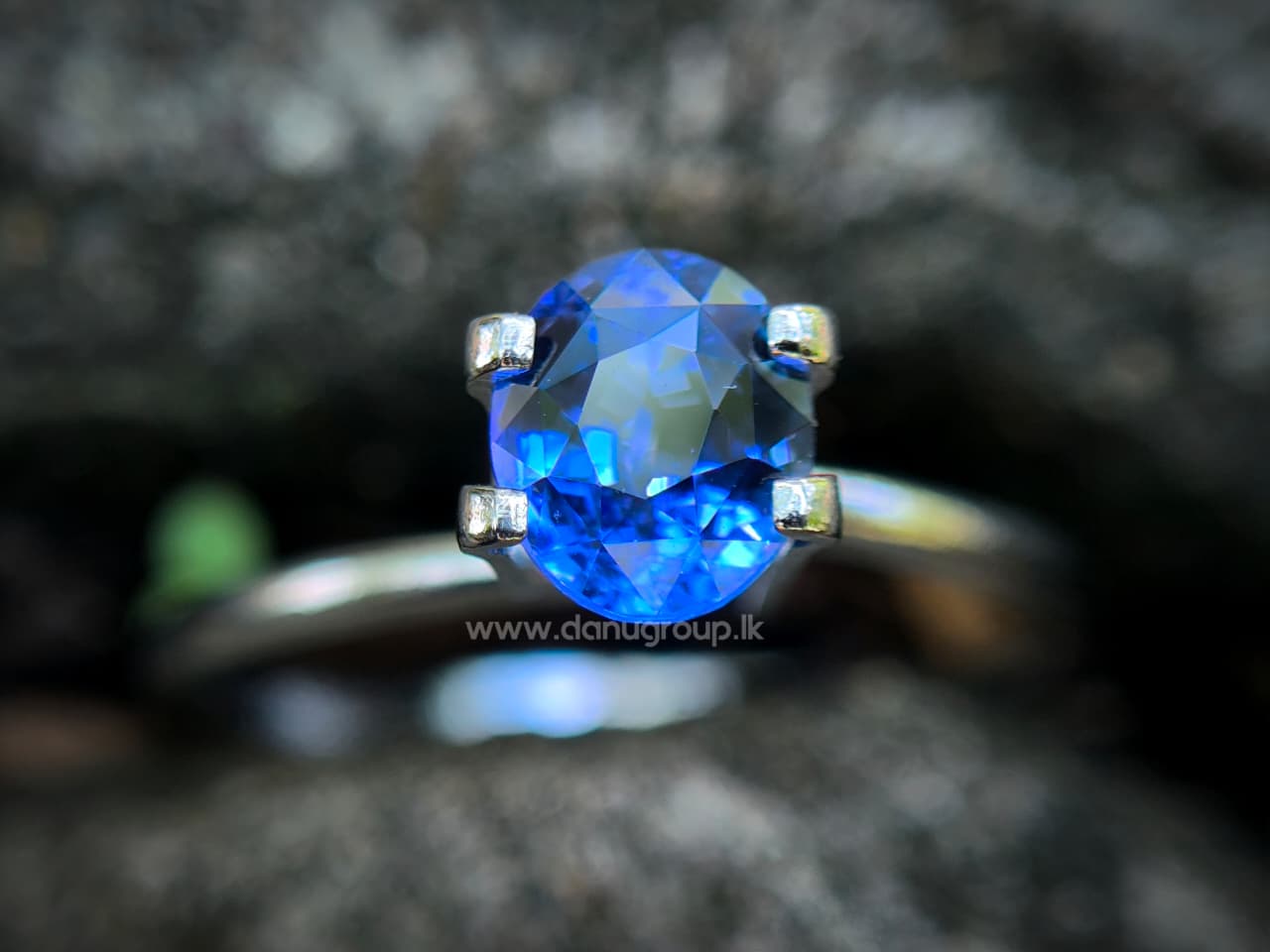
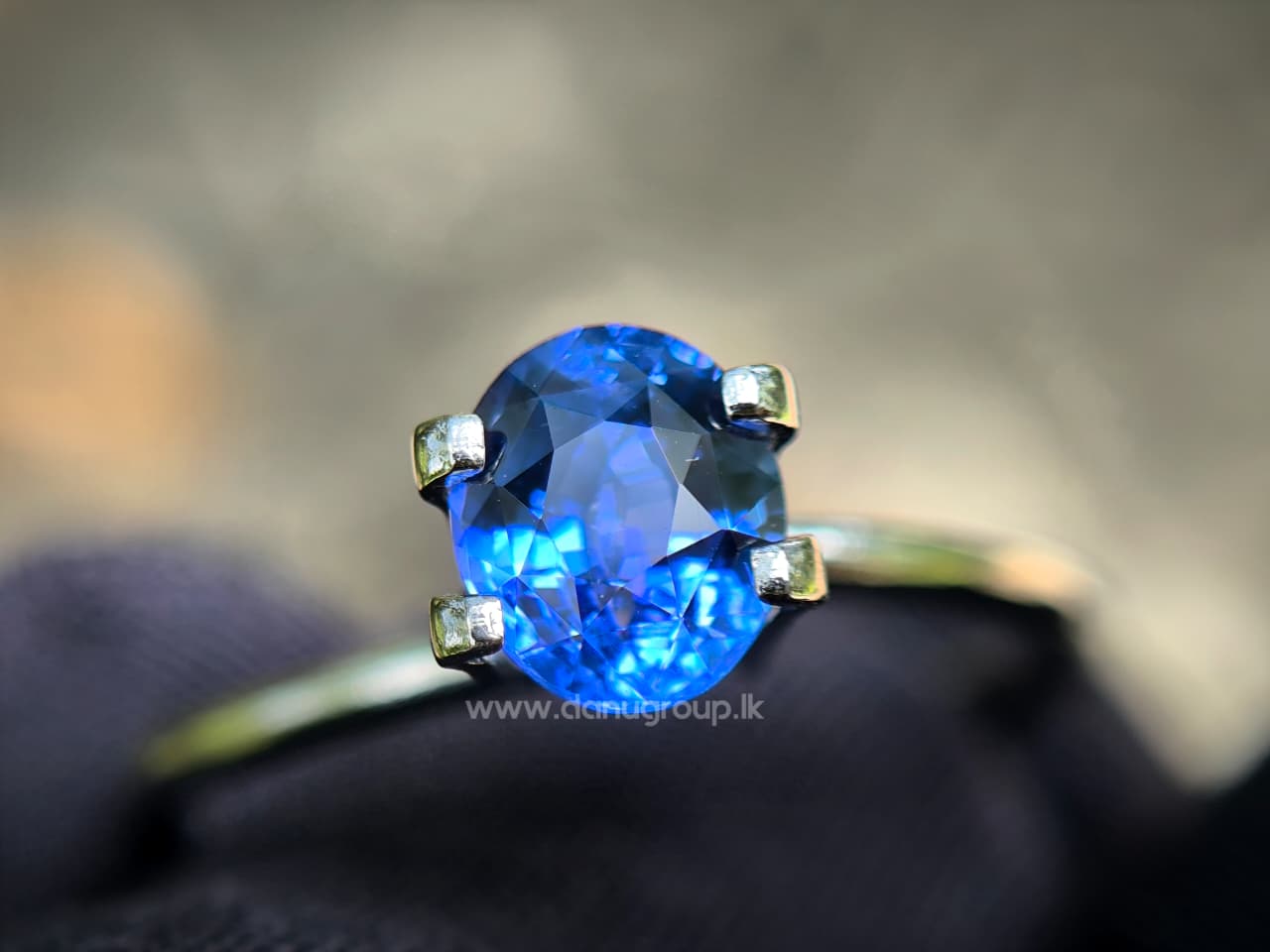
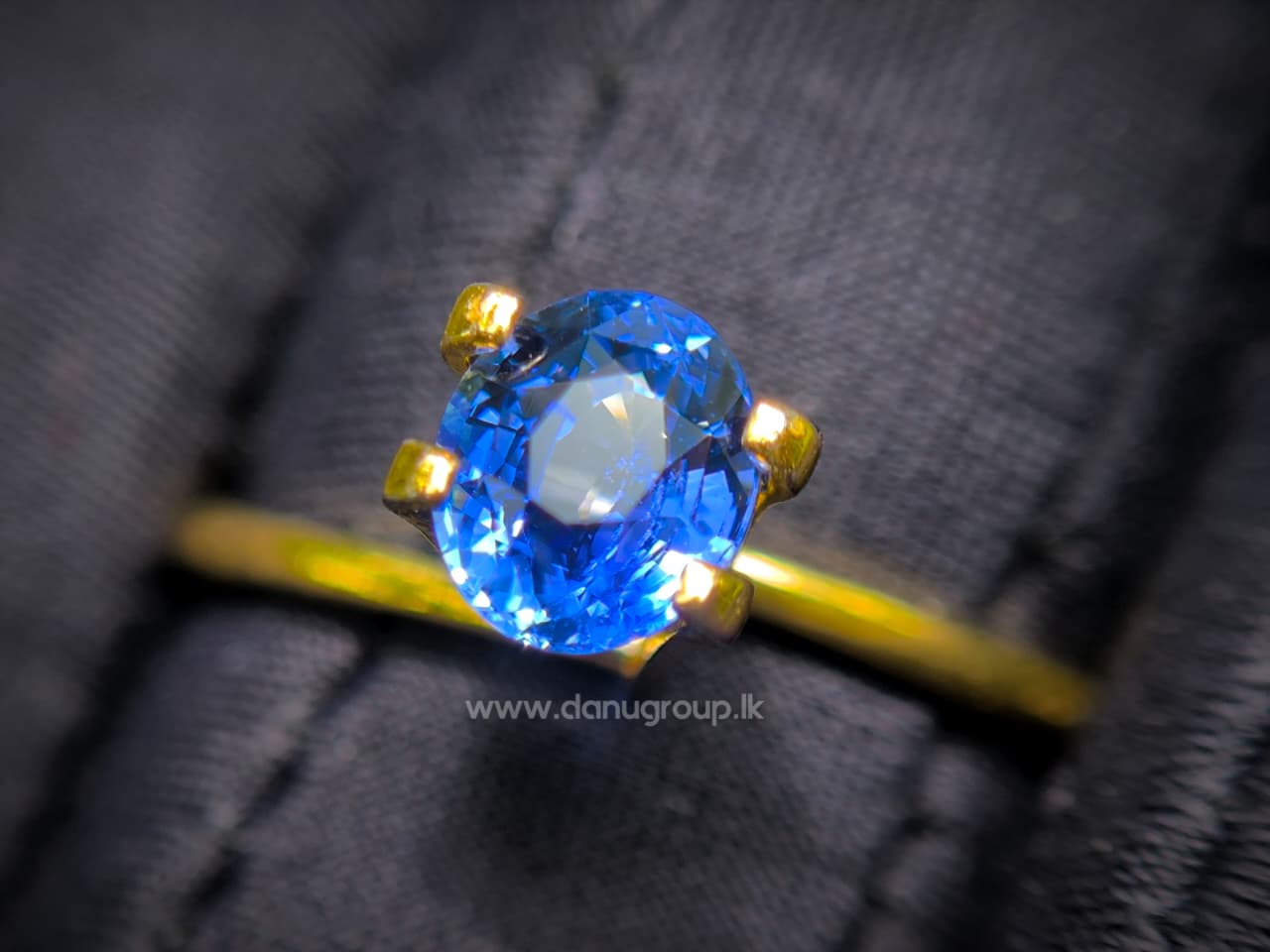
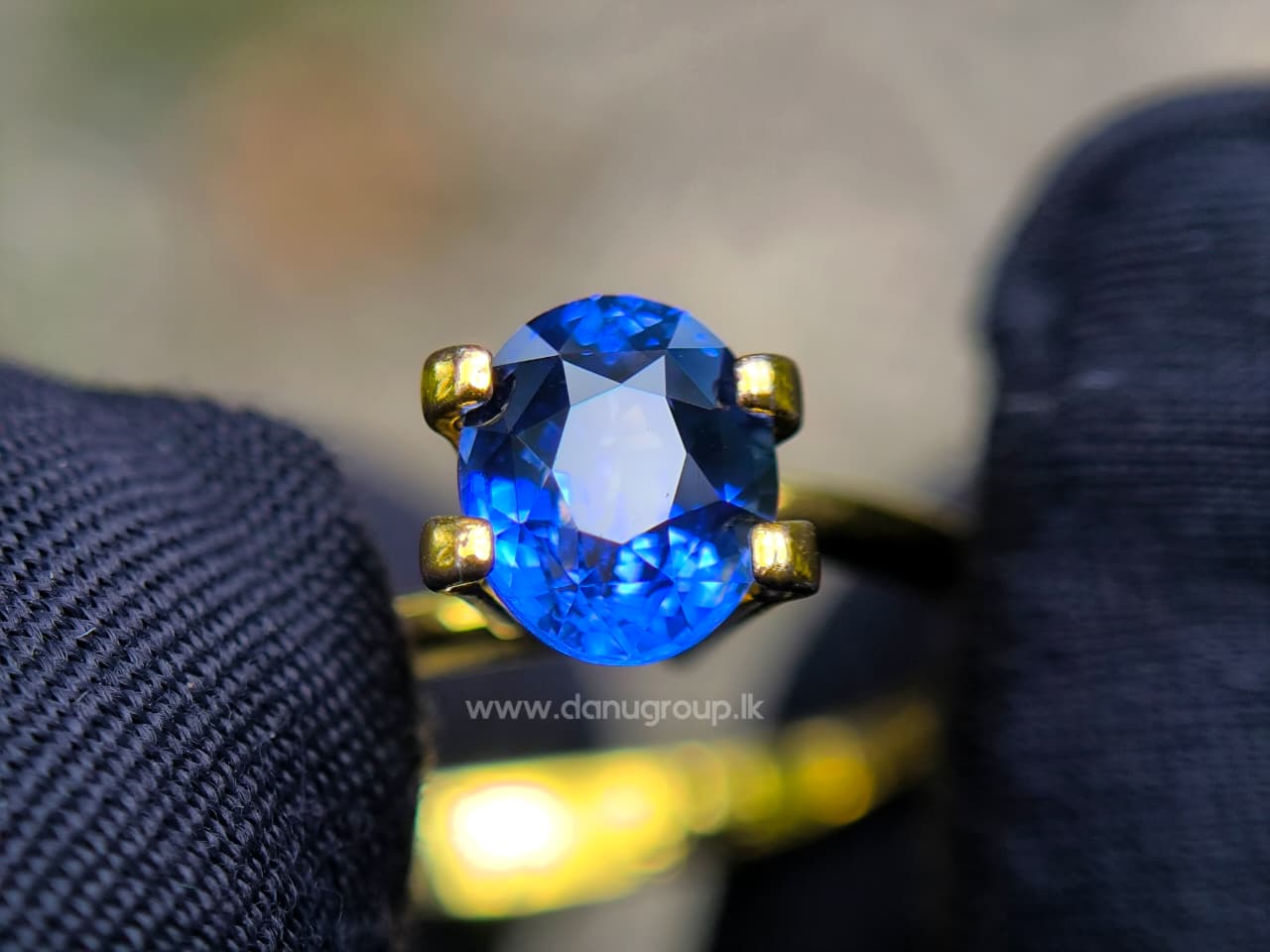
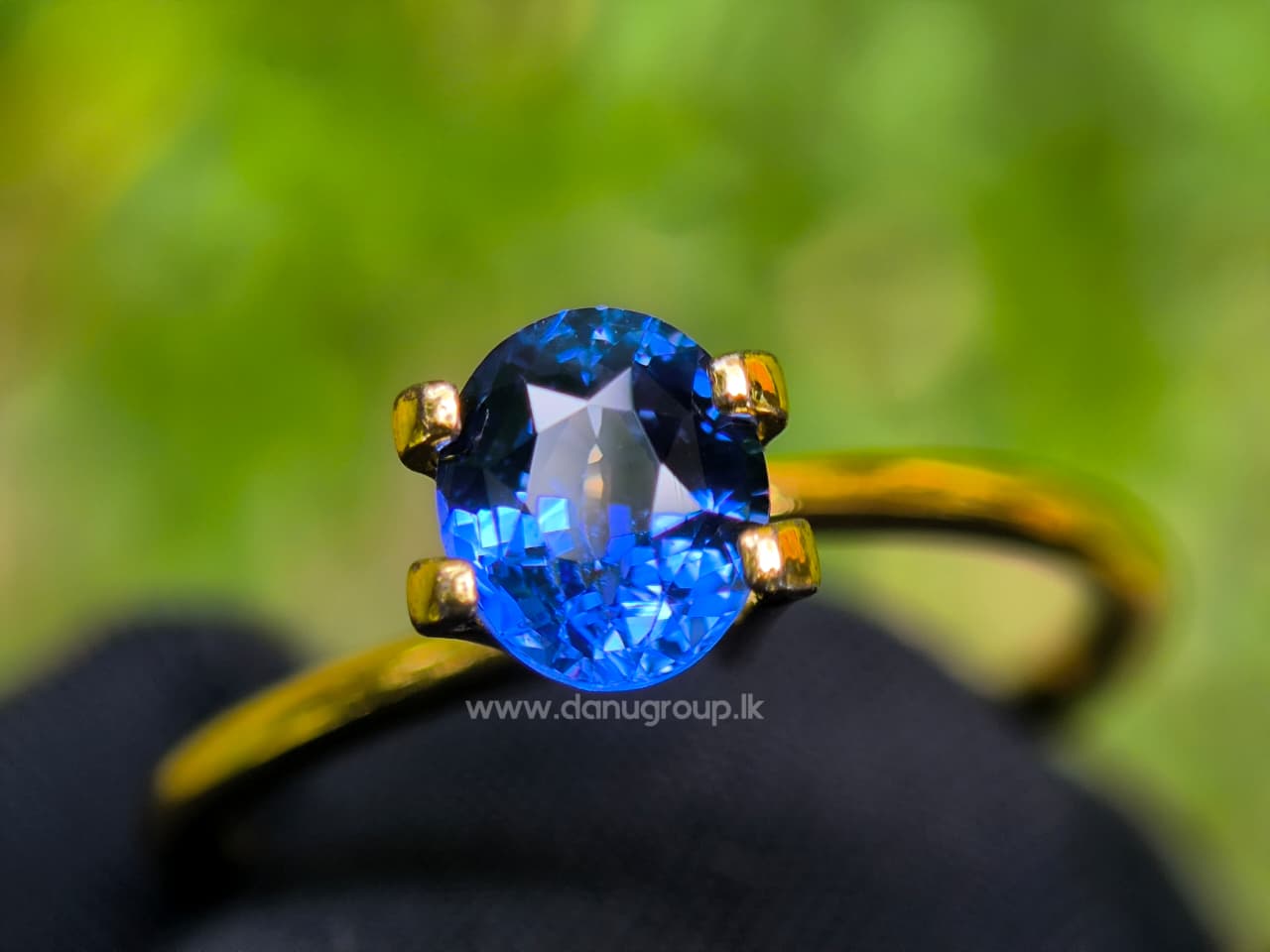
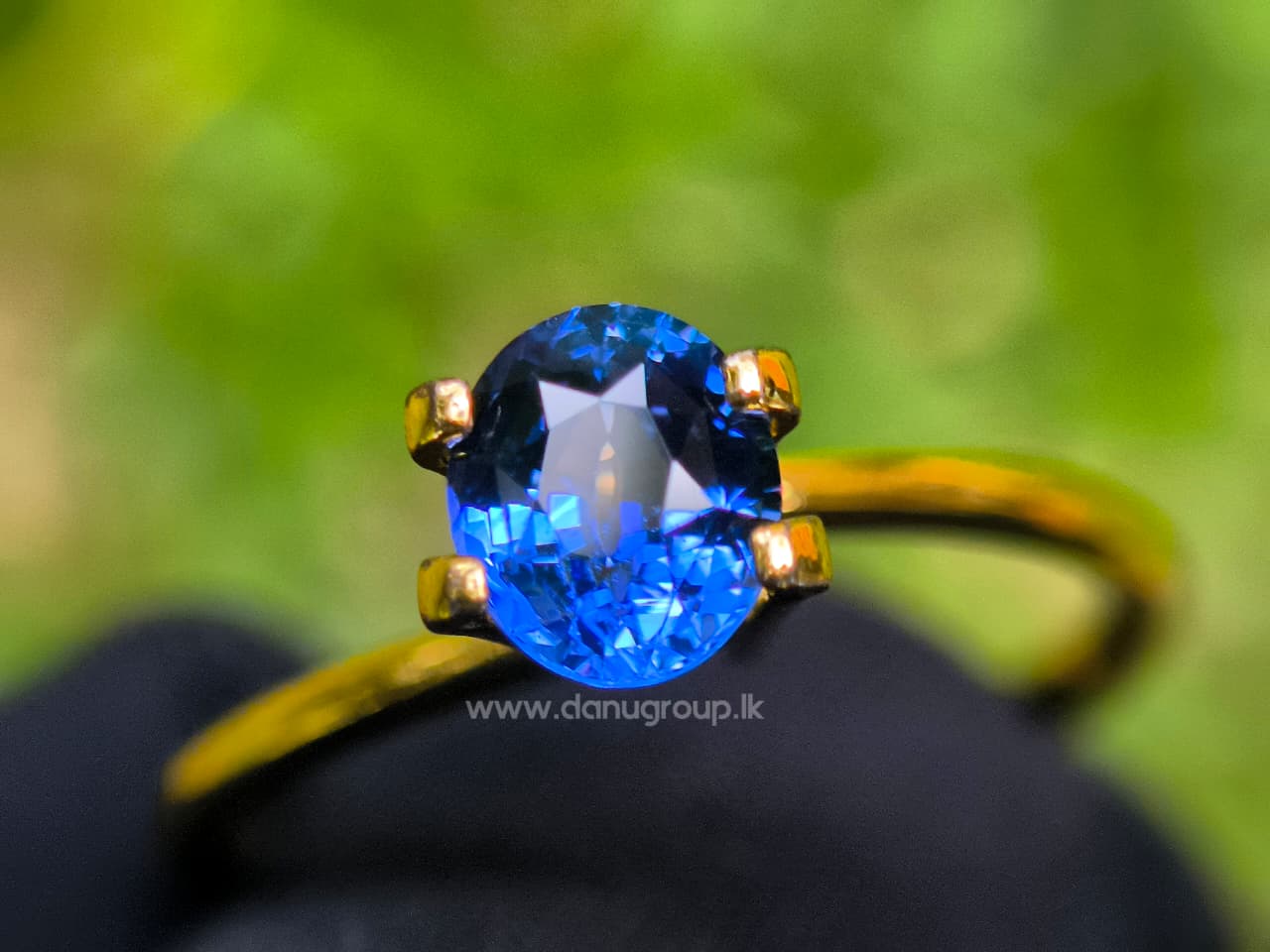
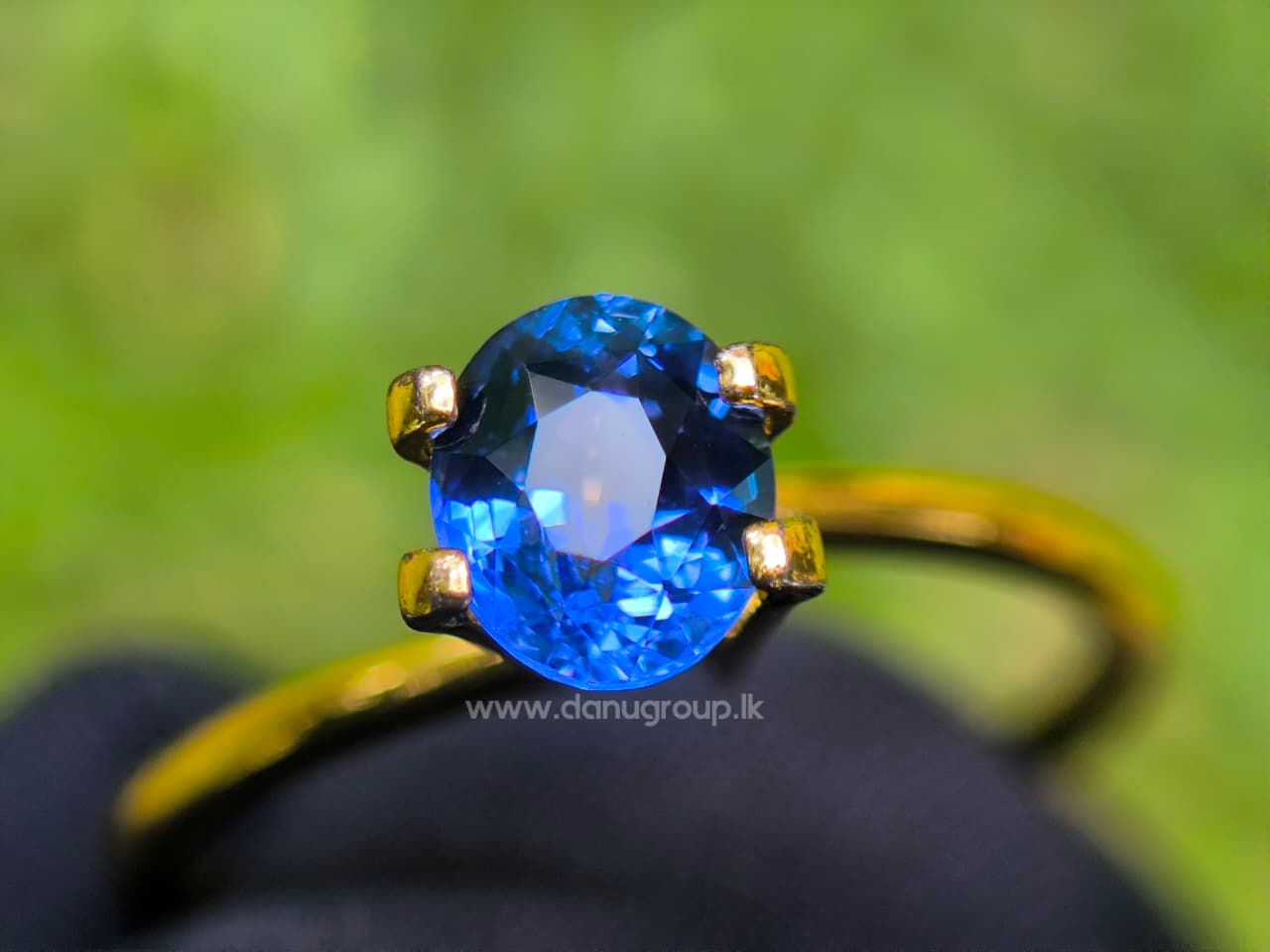
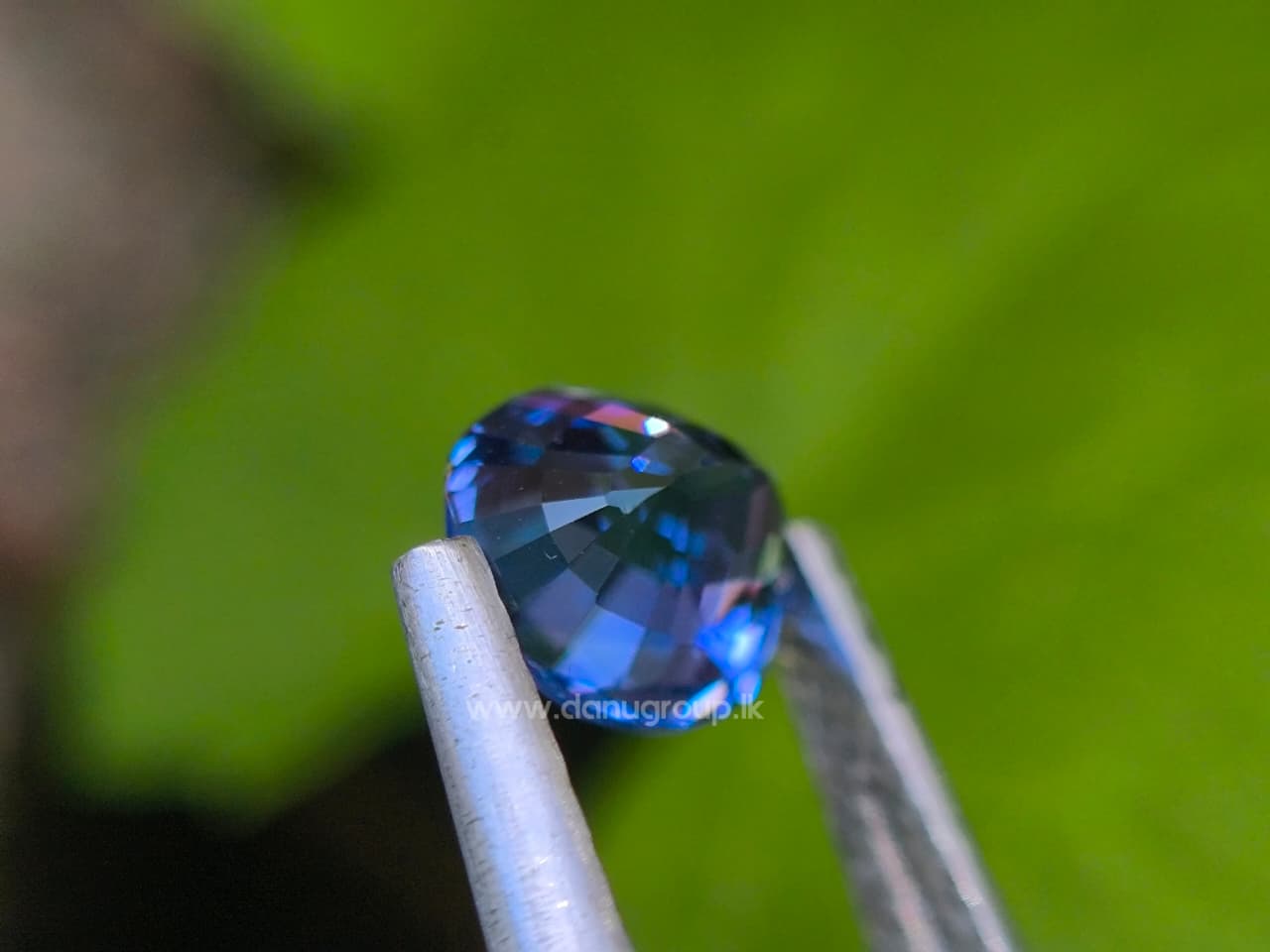
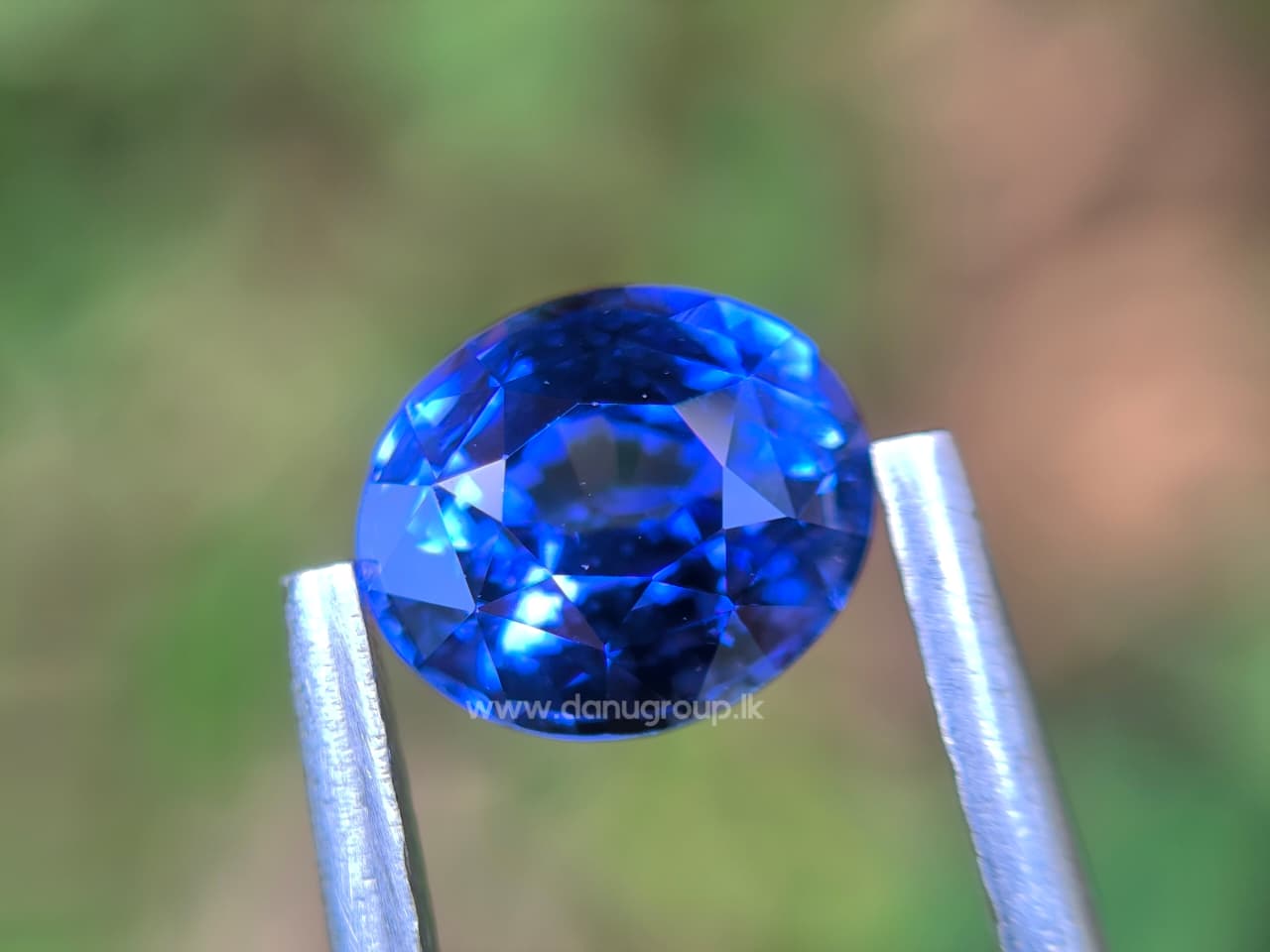
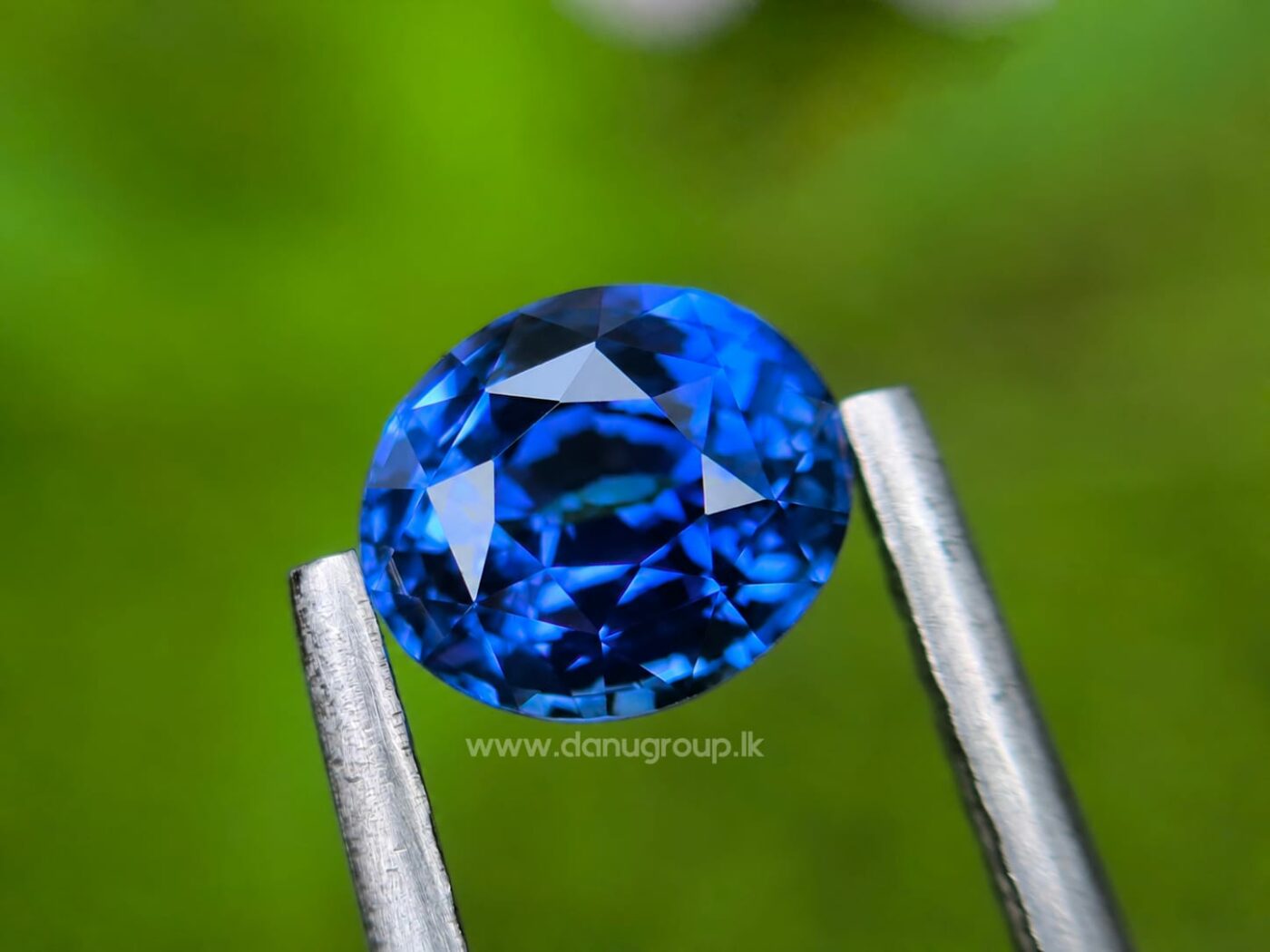
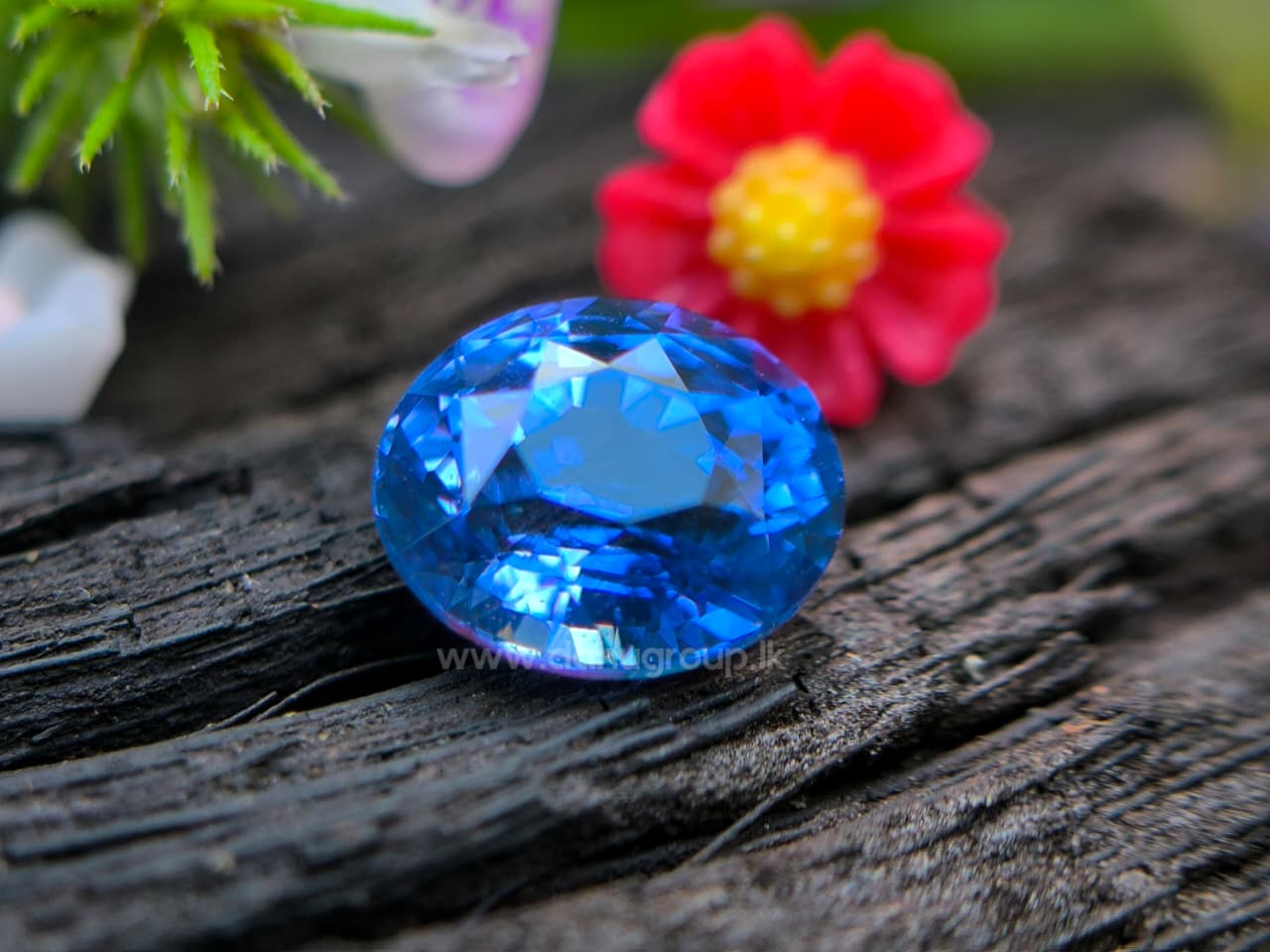
At Danu Group, our approach is to present gemstones together with their real journey whenever that history is available—from source material and treatment disclosure through cutting, laboratory examination, and the final gemstone. This 1.19 ct Ceylon Blue Sapphire is a clear example of how an initially pale, milky geuda rough can reveal an entirely different visual character through careful preparation, controlled standard heat treatment, precision cutting, and gemological evaluation.

Verified authenticity with trusted certification

Sourced from mining and cutting origin

Safe and secure delivery to your location
Sold out!


The PRICE mentioned on the website includes shipping cost. After You paid through the website cart (Visa, Master, Amex or Discover Diners club card), We start shipping process. If customers need more information or any JEWELRY request, Please Contact Us!
| Weight | 1.19 Ct |
|---|---|
| Dimensions | 6.47 × 5.51 × 3.97 mm |
| STYLE OF CUT | Oval Mixed |
| COLOR | blue |
| SPECIES | natural corundum |
| VARIETY | natural blue sapphire |
| REFRACTION INDEX | 1.760–1.768 |
| PLEOCHROISM | Distinct |
| ABSORPTION SPECTRUM | Recognized |
| HARDNESS | 9 |
| SPECIFIC GRAVITY | 3.80–4.05 |
| ADVANCED TESTING | FTIR Spectroscopy Tested |
| CLARITY | VVS (high grade) |
| QUALITY GRADE | High Quality |
| TRANSPARENCY | Transparent |
| TREATMENT | Standard Heated |
| ORIGIN | Ratnapura, Sri Lanka 🇱🇰 |
| CERTIFICATE | GGTL – Gem Testing Laboratory Certified (Advanced Testing with Origin Determination/ FGA, BSc, MGA (SL), MSc (Gemology), GIA Alumni Member) |
| BIRTHSTONE | September |
| DESTINY NUMBER | 8 |
| PLANET | Saturn 🪐 |
| ZODIAC SIGN | Capricorn ♑, Aquarius ♒ |
| WEARING FINGER | middle finger of the right hand |
| WORN FOR | Good luck, wisdom, protection, mental clarity, and inner strength |
| SYMBOLIZES | Truth, loyalty, wisdom, protection, happiness, and lasting love |
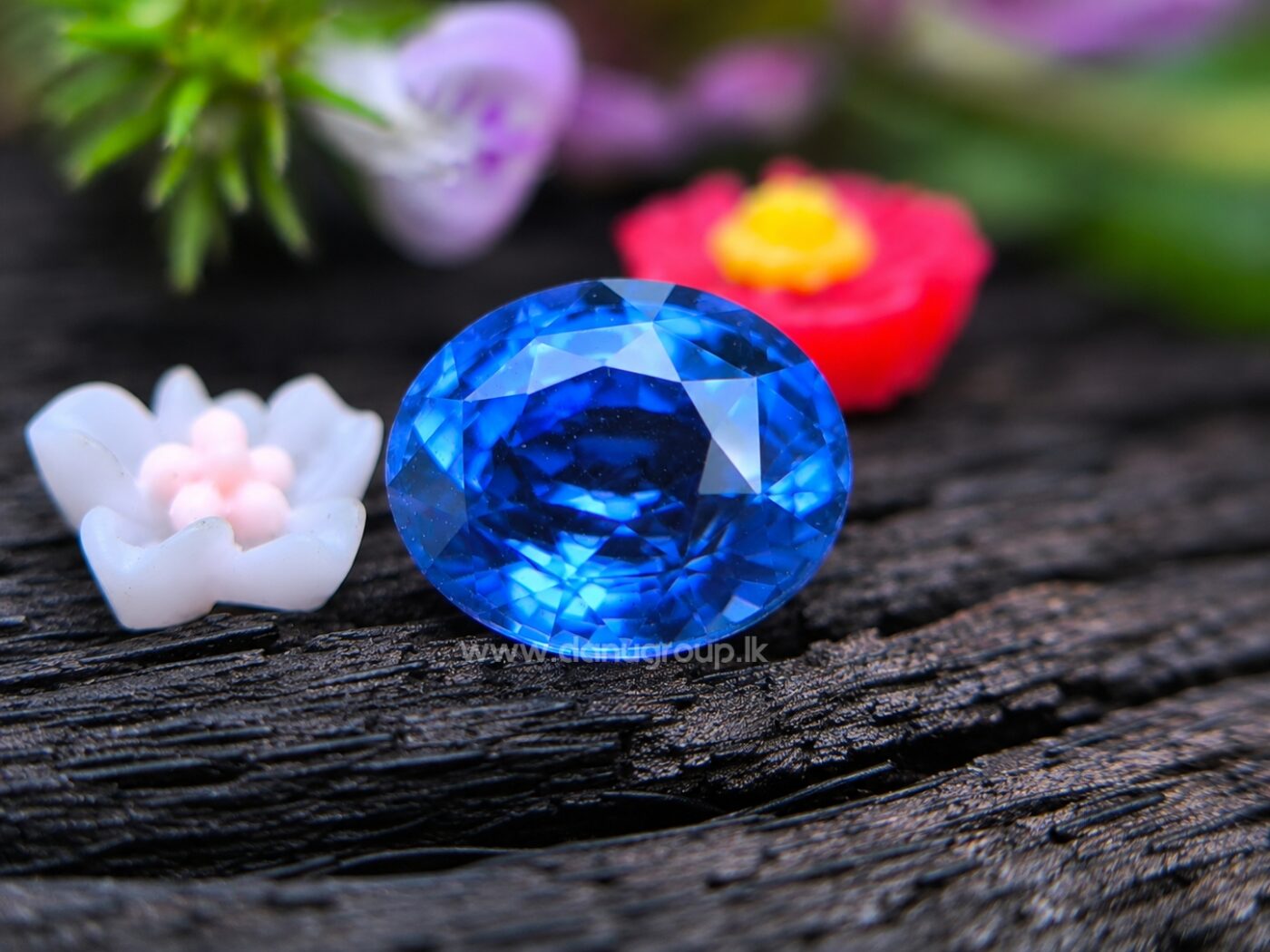
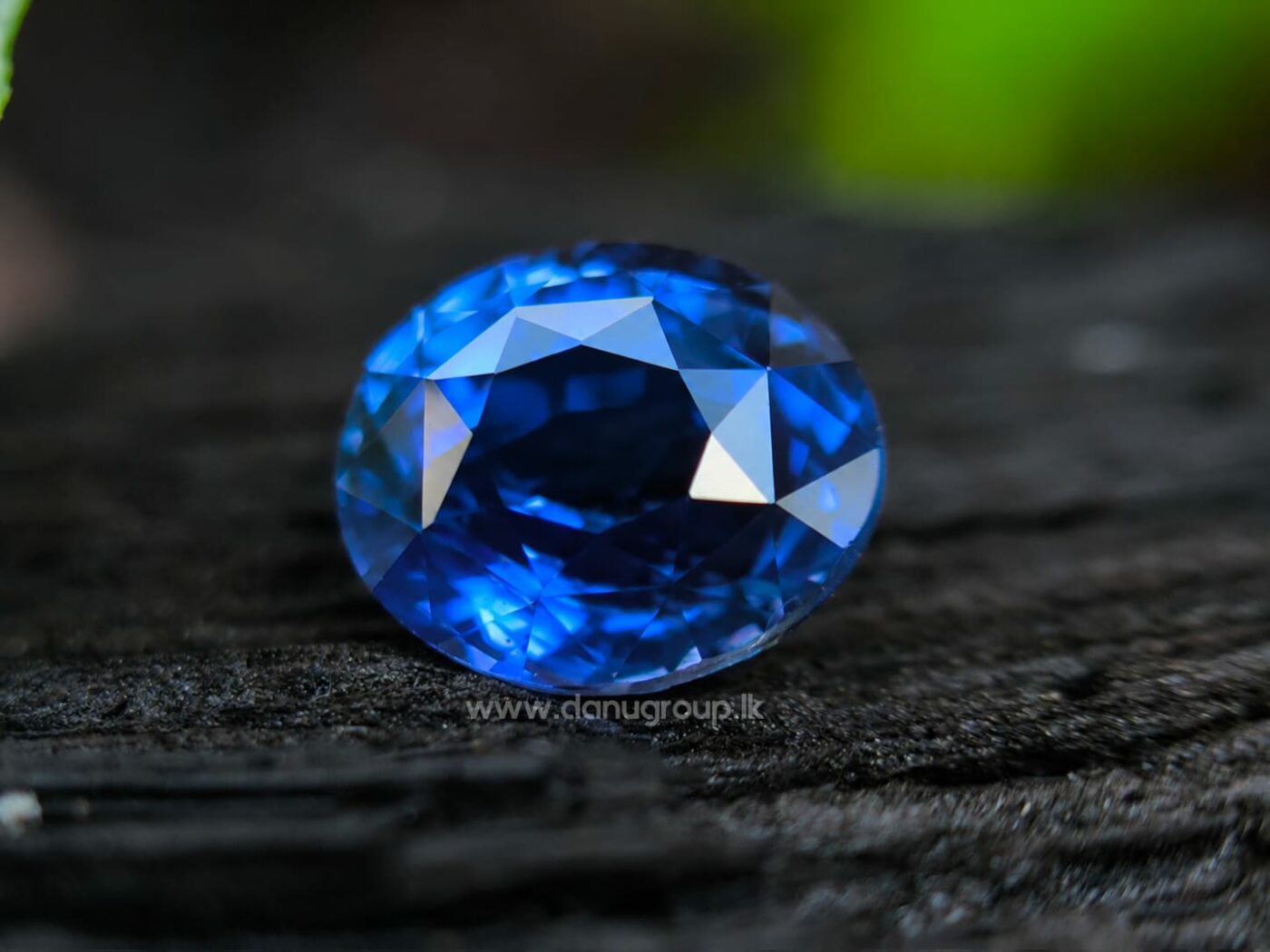
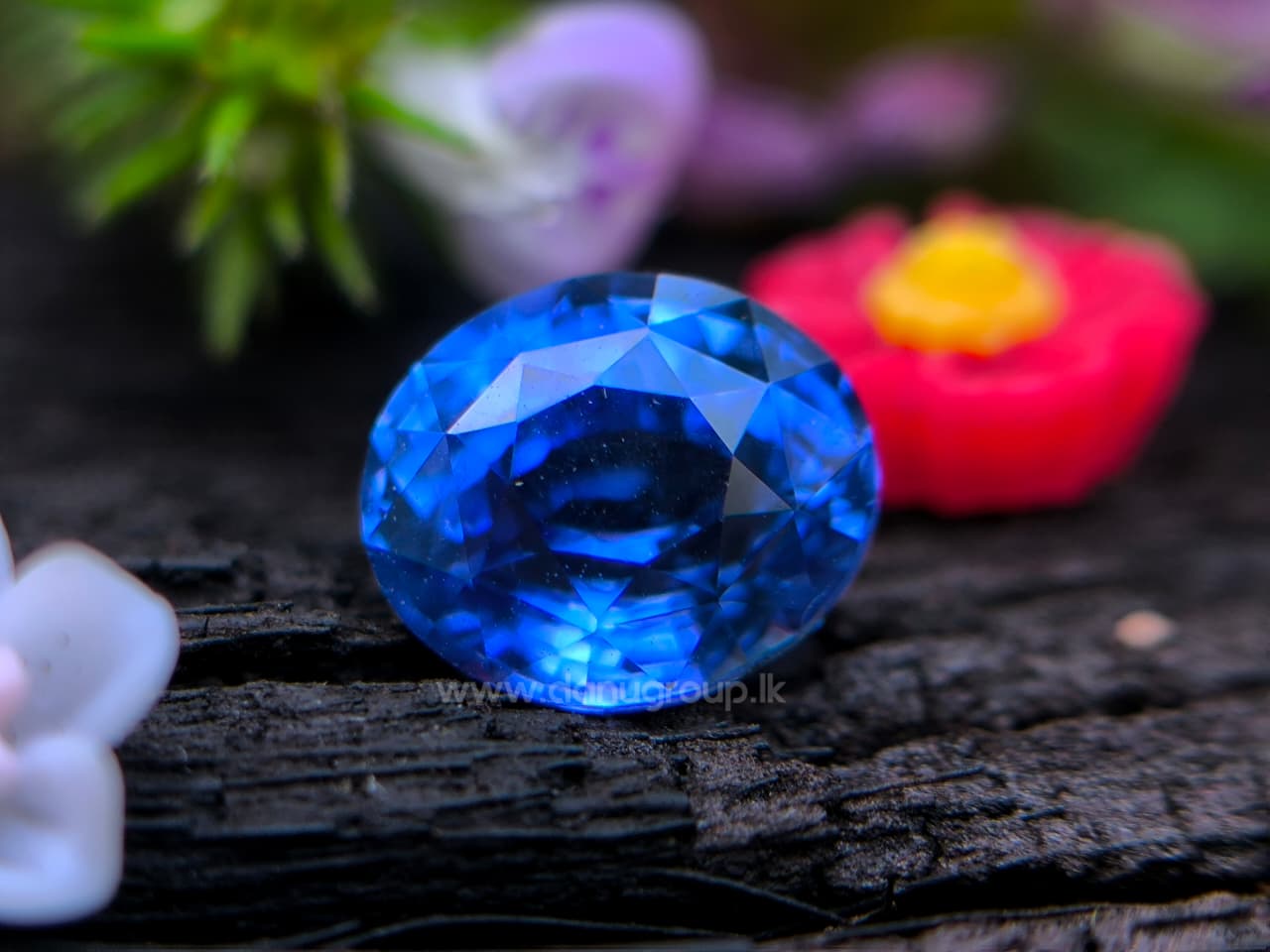
SOME GEMSTONE IMAGES ARE PHOTOGRAPHED ON NATURAL BACKGROUNDS TO OFFER A MORE REALISTIC SENSE OF THE STONE’S TRUE BEAUTY, CHARACTER, AND APPEARANCE WHEN PURCHASING ONLINE.
Sri Lankan National Gem and Jewellery Authority Licenced Gem Dealer.
Ceylon Blue Sapphire – 1.19 Ct | From Ratnapura Geuda Rough to Finished Blue Sapphire
This 1.19 ct natural Ceylon Blue Sapphire represents a complete source-to-finished gemstone journey beginning in Ratnapura, one of Sri Lanka’s historically important sapphire-producing regions. The sapphire originally entered our collection as a milky-white geuda sapphire rough, showing the characteristic low-saturation appearance that certain geuda material can display before carefully controlled heat treatment. Rather than evaluating the rough only by its initial surface appearance, we studied its internal structure, transparency potential, inclusions, and possible color response before deciding on the next stage of its transformation.
Before heating, unnecessary included and less-useful portions of the rough were carefully removed. This preparation is important because the objective is not simply to retain maximum rough weight, but to identify the section offering the best combination of transparency, color potential, structural stability, and finished-gem possibilities. Once prepared, the sapphire was entrusted to Lakmini Gas Furnace for conventional gemstone heat treatment under controlled conditions. Heat treatment is an established practice in the sapphire trade and is used to modify or improve characteristics such as color and apparent clarity when the natural material has suitable geological and gemological properties.
The transformation of geuda sapphire during heating is particularly interesting from a gemological perspective. Geuda is a trade term traditionally associated with certain corundum material that may appear whitish, cloudy, silky, or weakly colored in its natural state. Microscopic rutile-related silk and other internal characteristics can interact with controlled heating conditions. Depending on the individual stone and its chemistry, heating may reduce cloudiness and allow latent blue coloration to become significantly more visible. Every rough sapphire reacts differently, which means the final result cannot be guaranteed before treatment. In this particular stone, the process produced a strong and attractive blue body color with transparent appearance.
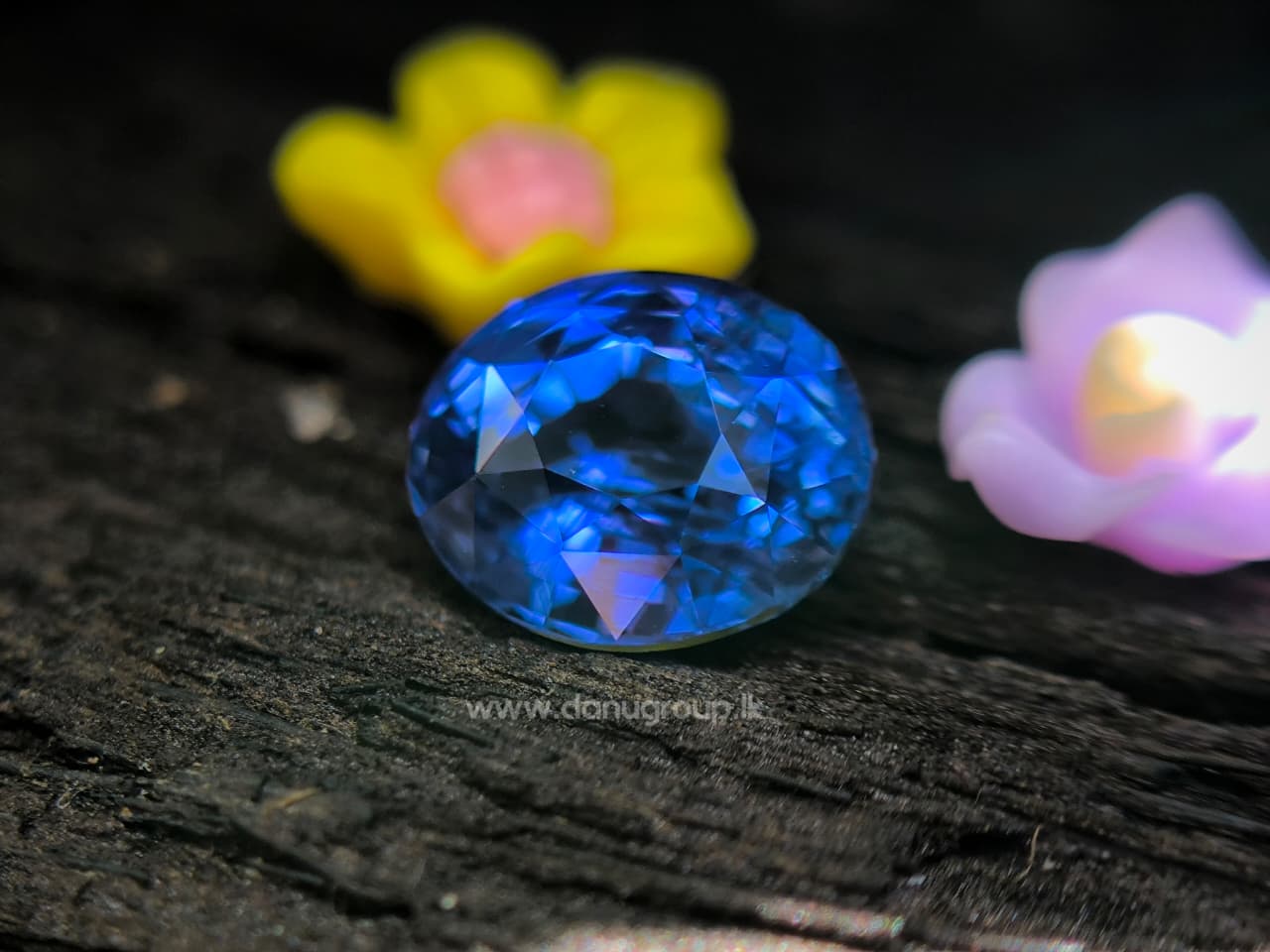
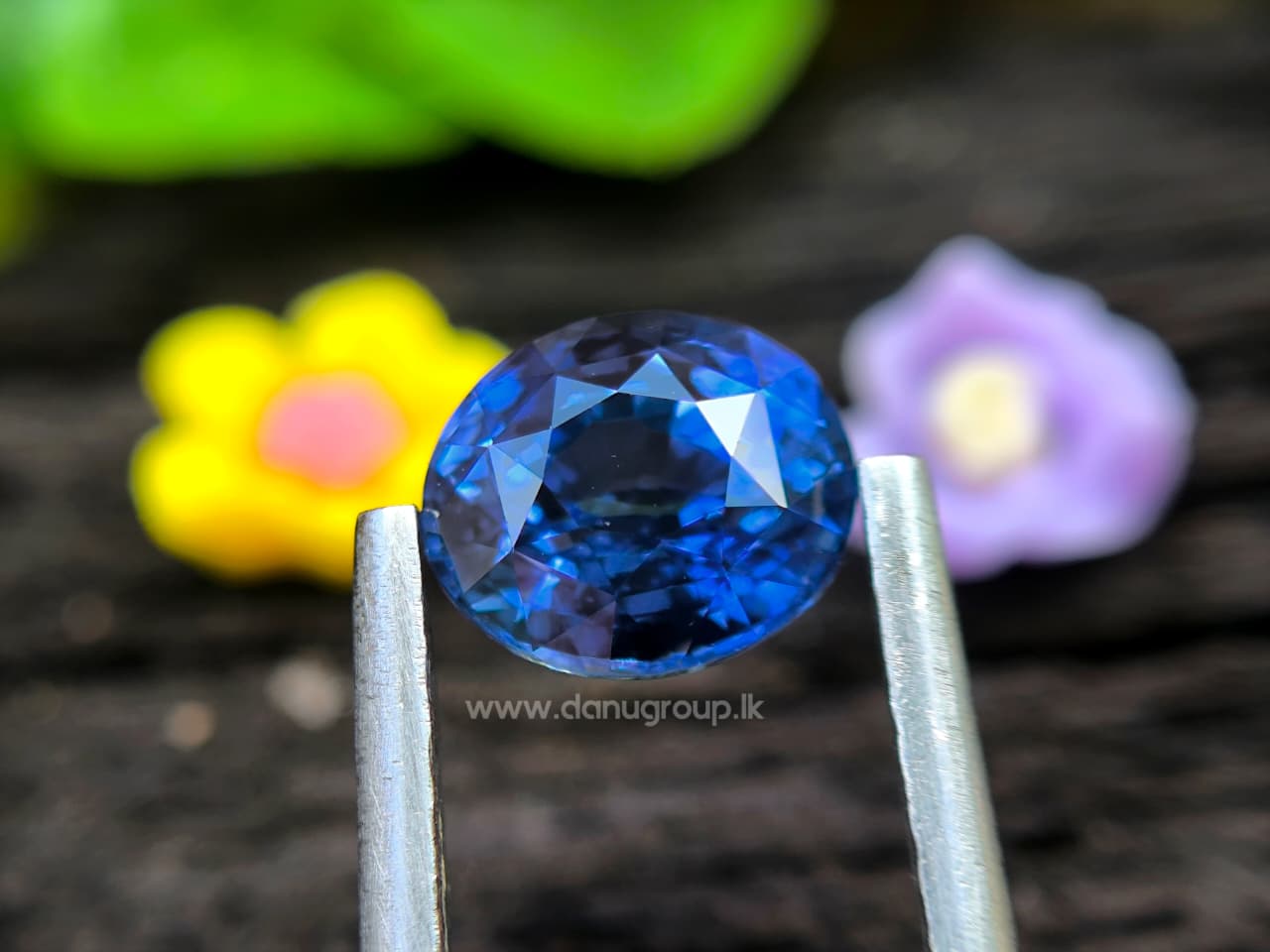
After heat treatment, the sapphire was evaluated again for cutting orientation. Orientation is especially important in sapphire because corundum is pleochroic, meaning different crystallographic directions can display variations in color. The cutter must balance face-up blue color, brilliance, transparency, dimensions, depth, and weight retention. The completed gemstone was fashioned as an Oval Mixed Cut, allowing a combination of brilliant-style light return and a balanced oval outline.
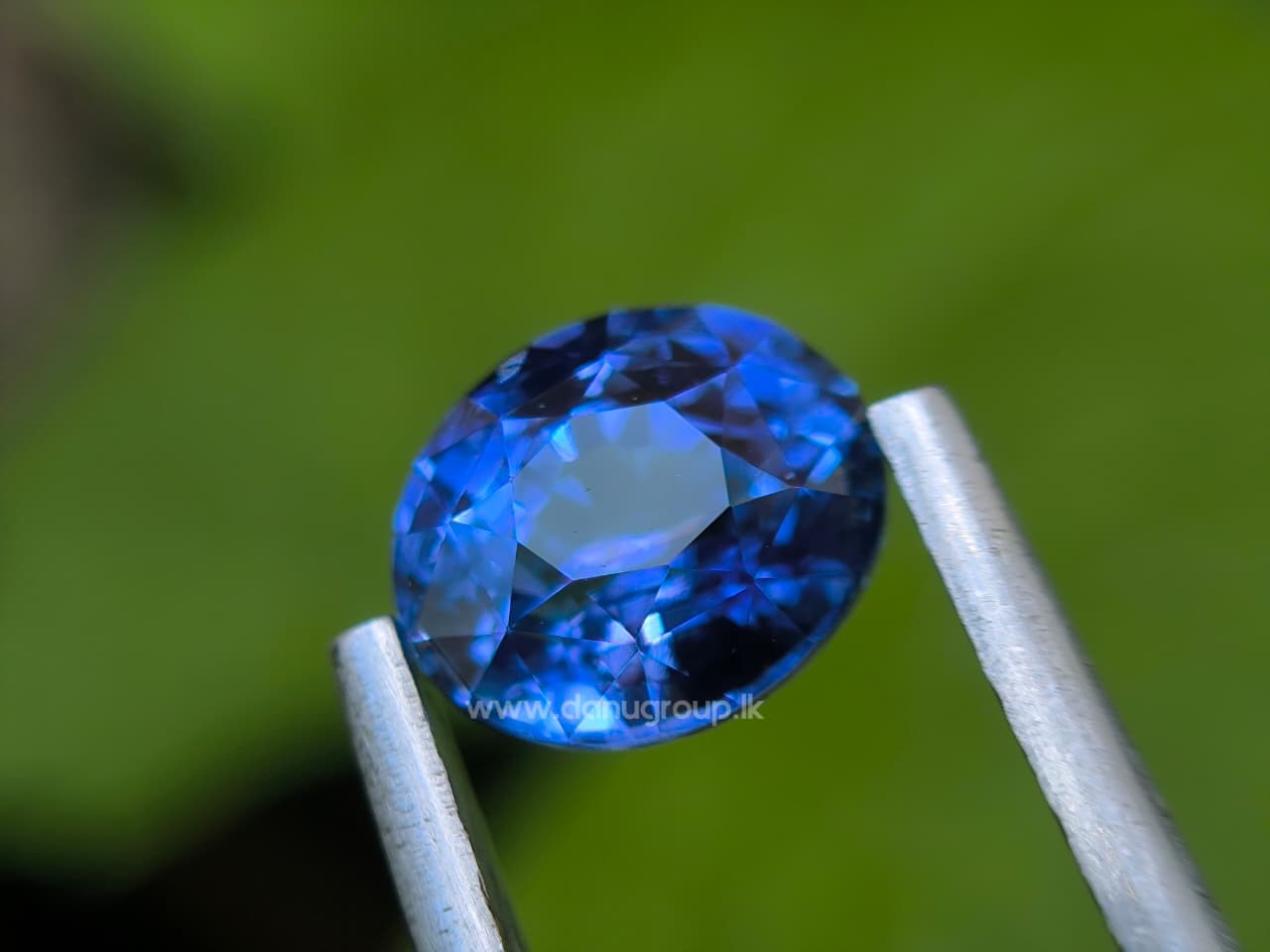
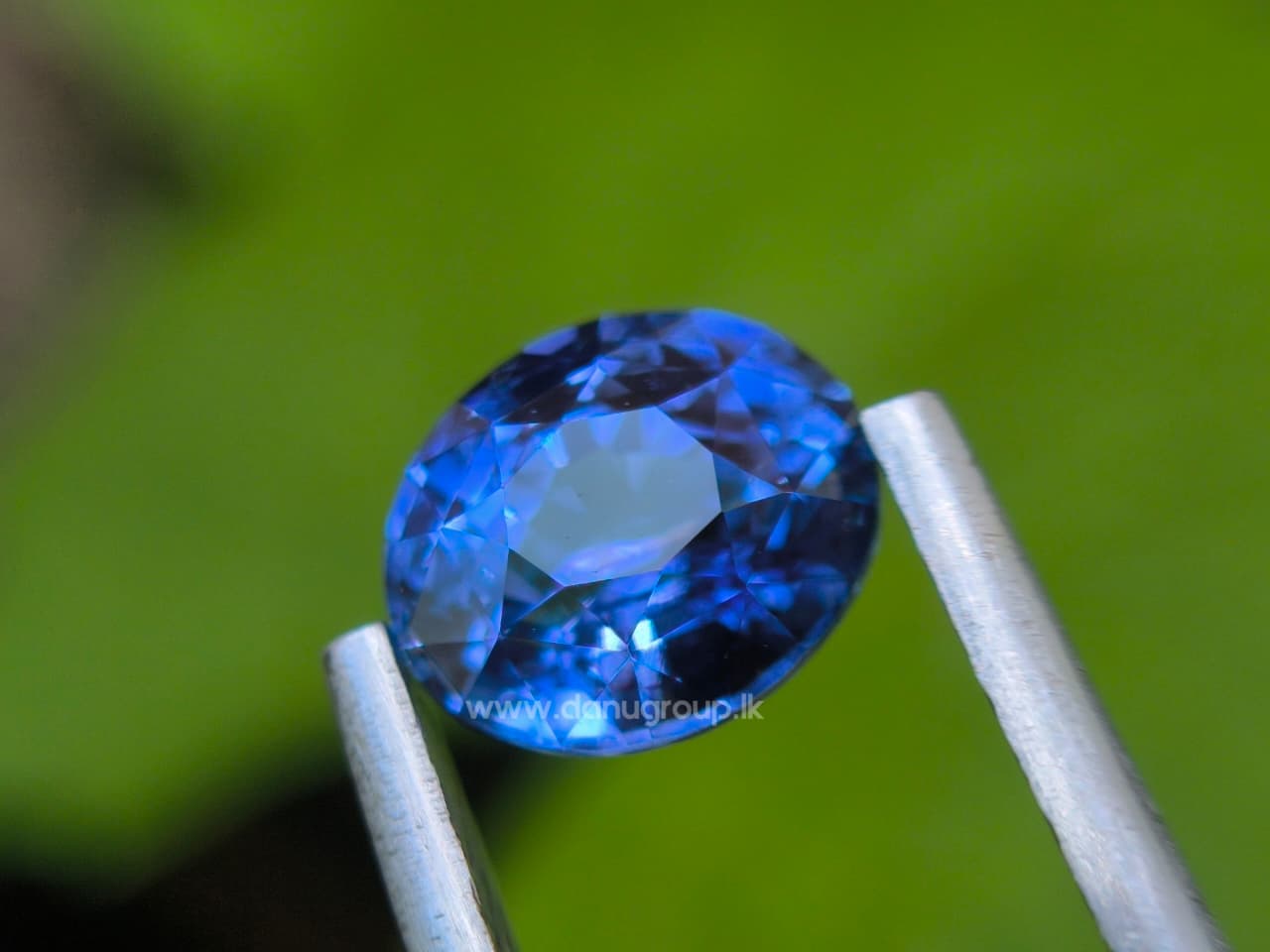
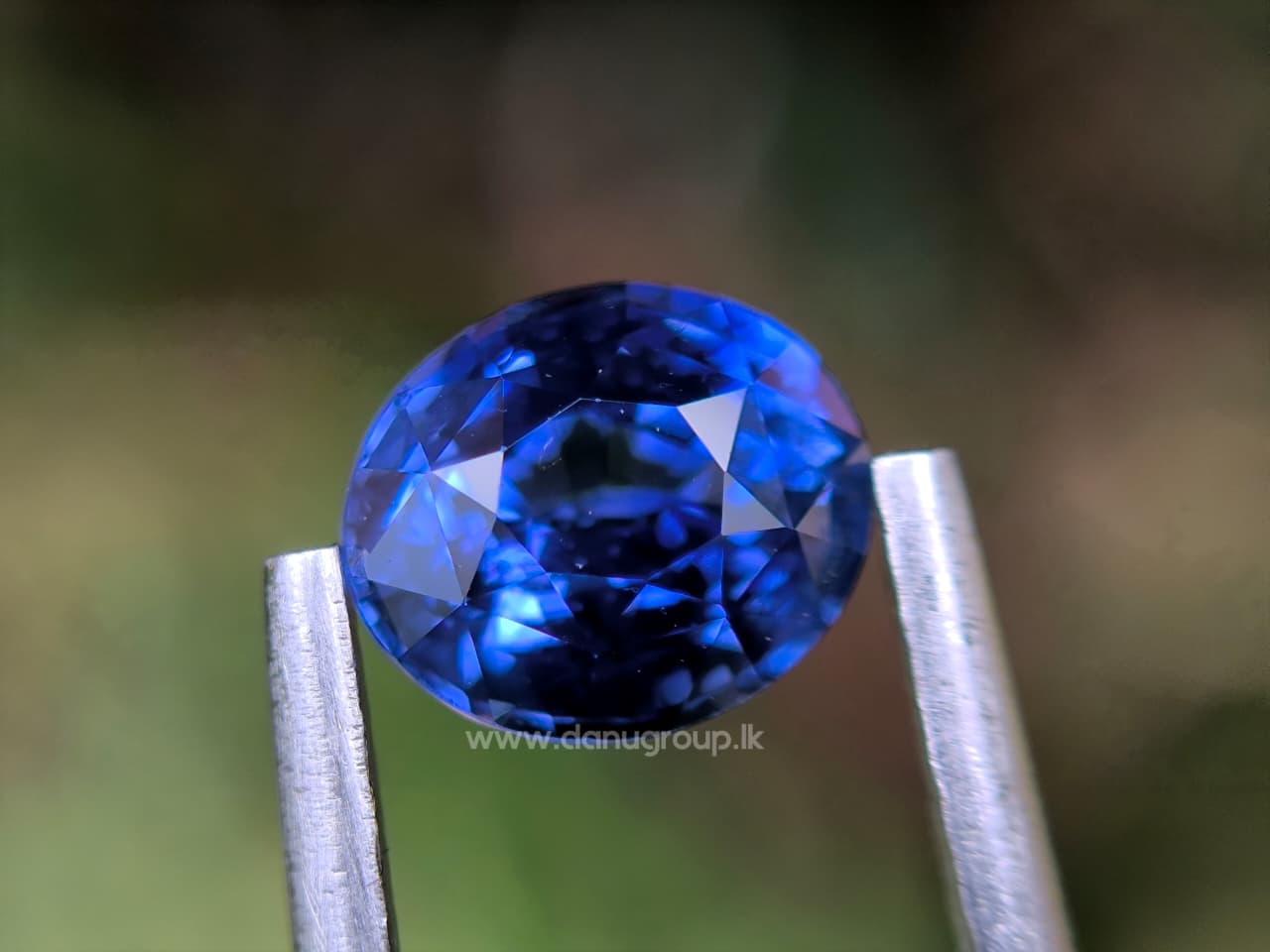
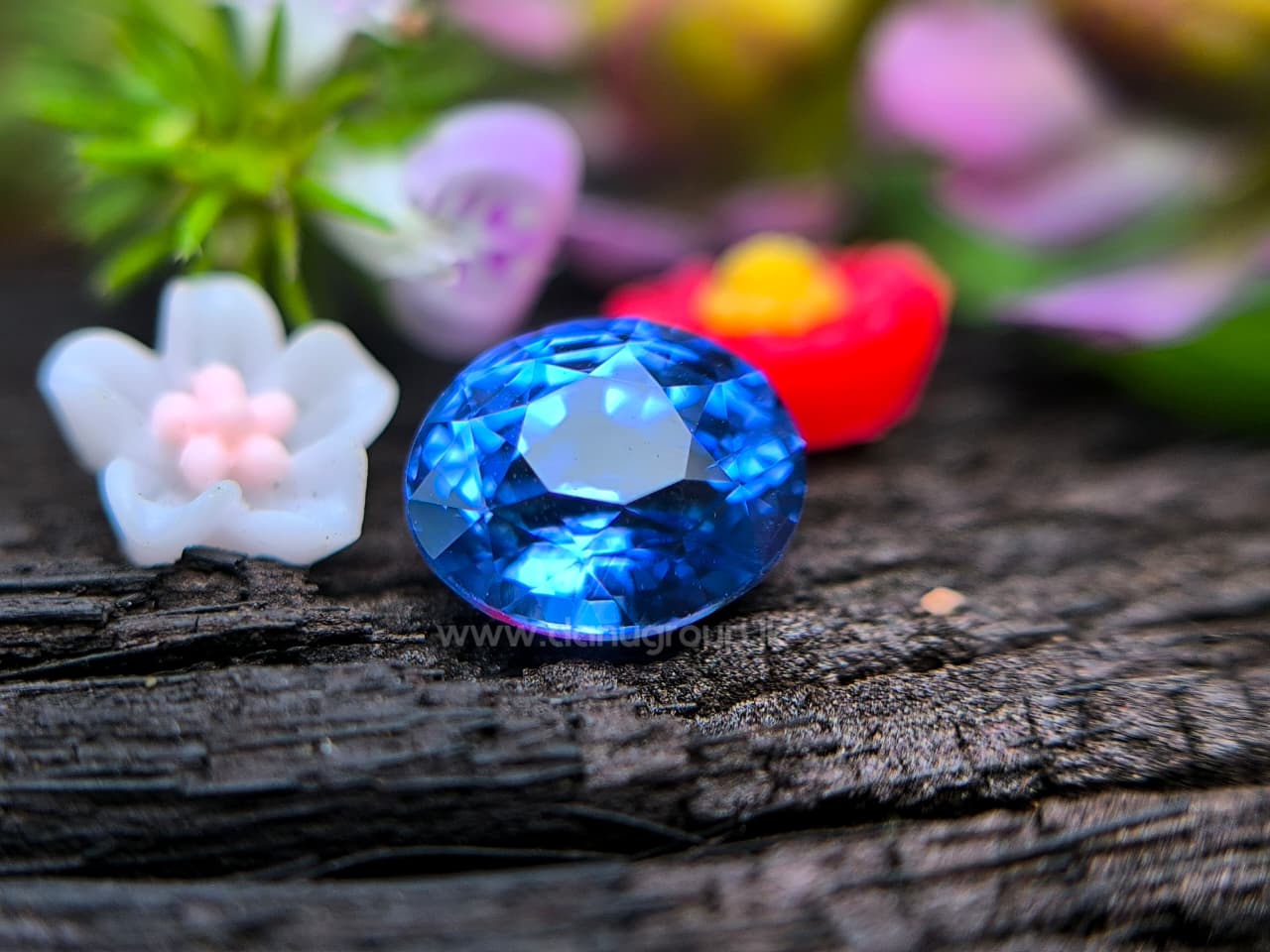
The finished sapphire weighs 1.19 ct and measures 6.47 × 5.51 × 3.97 mm. Its final appearance shows a vivid blue face-up presentation with strong reflections from the mixed faceting arrangement. The gemstone is transparent and graded VVS clarity / High Grade, giving it a clean visual presentation while retaining the natural character expected from a geological gemstone.
Gemologically, this stone belongs to the mineral species Natural Corundum and the variety Natural Blue Sapphire. Its reported refractive index is 1.760–1.768, consistent with natural corundum. It displays distinct pleochroism and a recognized sapphire absorption spectrum. Sapphire has a hardness of 9 on the Mohs scale, making corundum one of the hardest natural gemstone materials and a particularly suitable choice for rings and other jewelry intended for regular wear. Its specific gravity falls within the approximately 3.80–4.05 range associated with corundum.
The gemstone has also undergone FTIR spectroscopy testing. FTIR, or Fourier-transform infrared spectroscopy, is an advanced gemological analytical method used alongside standard gemological observations to investigate characteristics relevant to gemstone identification and treatment assessment. The stone is disclosed as standard heated, maintaining clear transparency about its enhancement history.
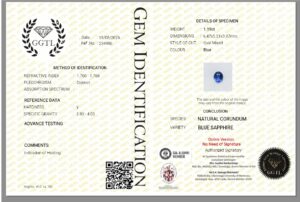
The sapphire is accompanied by a GGTL – Gem Testing Laboratory certificate, including advanced testing and origin determination. The supplied laboratory credentials include FGA, BSc, MGA (SL), MSc (Gemology), and GIA Alumni Member qualifications.
What makes this gemstone especially meaningful to Danu Group is that its history is known beyond the finished polished stone. We followed its transformation from Ratnapura geuda rough, through preparation and furnace treatment, to orientation, cutting, polishing, gemological examination, and its final 1.19 ct blue sapphire form. This traceable journey gives the buyer a clearer understanding of what happened to the gemstone before it reached the jewelry stage.
For September-born collectors, sapphire is traditionally recognized as the September birthstone. In traditional astrological associations, blue sapphire is connected with Saturn, Destiny Number 8, Capricorn and Aquarius, and is traditionally worn on the middle finger of the right hand. Cultural traditions associate blue sapphire with wisdom, protection, truth, loyalty, mental clarity, inner strength, good fortune, happiness, and lasting love. These are traditional beliefs rather than scientifically established effects.
At Danu Group, our approach is to present gemstones together with their real journey whenever that history is available—from source material and treatment disclosure through cutting, laboratory examination, and the final gemstone. This 1.19 ct Ceylon Blue Sapphire is a clear example of how an initially pale, milky geuda rough can reveal an entirely different visual character through careful preparation, controlled standard heat treatment, precision cutting, and gemological evaluation.
Q & A
Frequently Asked Questions
Yes. It is natural corundum identified as natural blue sapphire. The gemstone has been disclosed as heat treated.
It originated as a milky-white geuda sapphire rough from Ratnapura. After preparation and controlled heating, the material developed a significantly stronger blue appearance.
Geuda is a traditional trade term used for certain sapphire rough that can appear whitish, cloudy, silky, or weakly colored before treatment. Some suitable geuda material can develop improved transparency and color after controlled heating.
Yes. Heat treatment is a long-established enhancement used within the international sapphire trade. Treatment should always be clearly disclosed to the buyer.
No. Every piece has different chemistry and internal characteristics. The outcome of heating cannot be guaranteed simply from the rough appearance.
Removing unnecessary or problematic sections helps concentrate on material with better structural, transparency, color, and cutting potential.
With a Mohs hardness of 9, sapphire is highly suitable for rings and many other jewelry applications when properly mounted and cared for.
Its journey is documented from Ratnapura geuda rough through preparation, controlled heat treatment, cutting, polishing, and laboratory testing to the finished 1.19 ct gemstone.
QR Code

Related Products

Blue Sapphire Heart Sri Lanka
Natural Ruby Specimen
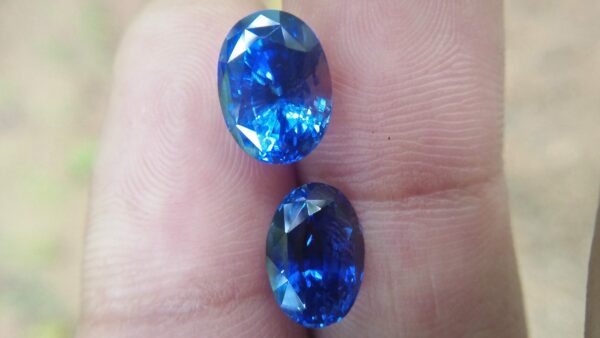
Ceylon Natural Blue Sapphire Couple
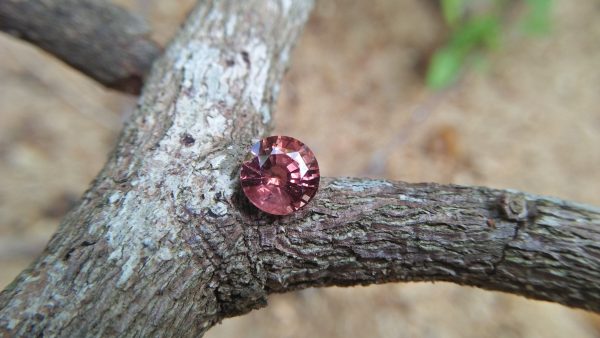
Natural Orangy Brown Sapphire
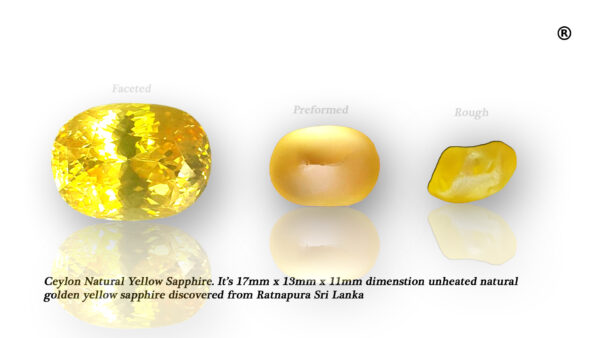
Ceylon Natural Huge Yellow Sapphire
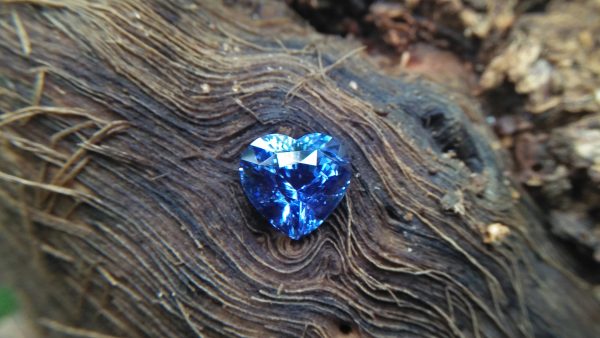
Ceylon Natural Blue Sapphire Heart
Natural Blue Sapphire